- English
- French
- German
- Portuguese
- Spanish
- Russian
- Japanese
- Korean
- Arabic
- Greek
- German
- Turkish
- Italian
- Danish
- Romanian
- Indonesian
- Czech
- Afrikaans
- Swedish
- Polish
- Basque
- Catalan
- Esperanto
- Hindi
- Lao
- Albanian
- Amharic
- Armenian
- Azerbaijani
- Belarusian
- Bengali
- Bosnian
- Bulgarian
- Cebuano
- Chichewa
- Corsican
- Croatian
- Dutch
- Estonian
- Filipino
- Finnish
- Frisian
- Galician
- Georgian
- Gujarati
- Haitian
- Hausa
- Hawaiian
- Hebrew
- Hmong
- Hungarian
- Icelandic
- Igbo
- Javanese
- Kannada
- Kazakh
- Khmer
- Kurdish
- Kyrgyz
- Latin
- Latvian
- Lithuanian
- Luxembou..
- Macedonian
- Malagasy
- Malay
- Malayalam
- Maltese
- Maori
- Marathi
- Mongolian
- Burmese
- Nepali
- Norwegian
- Pashto
- Persian
- Punjabi
- Serbian
- Sesotho
- Sinhala
- Slovak
- Slovenian
- Somali
- Samoan
- Scots Gaelic
- Shona
- Sindhi
- Sundanese
- Swahili
- Tajik
- Tamil
- Telugu
- Thai
- Ukrainian
- Urdu
- Uzbek
- Vietnamese
- Welsh
- Xhosa
- Yiddish
- Yoruba
- Zulu
What Is ASTM A53 Steel Pipe and Its Key Applications?
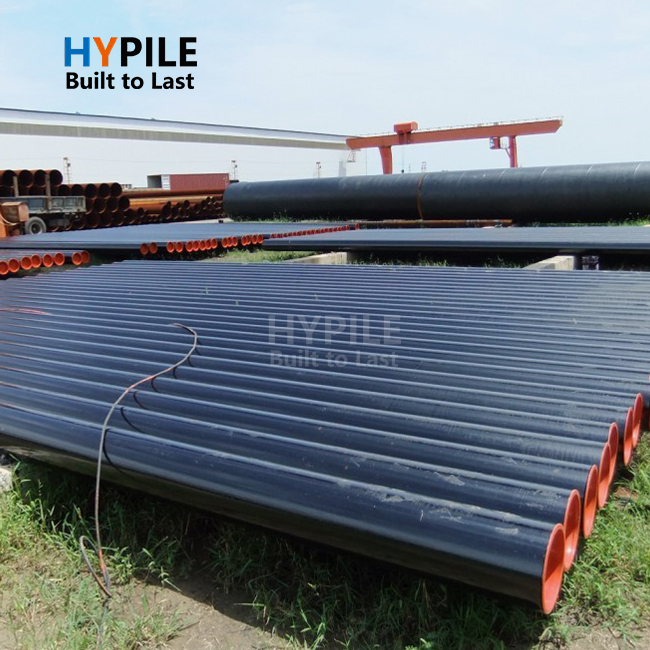
People all over the world use ASTM A53 steel pipe, which is one of the most adaptable standards for steel pipes. This rule applies to both welded and smooth steel pipes used for pressure and mechanical purposes. They work reliably in systems for building, infrastructure, and fluid movement. As per the standard, there are three types of manufacturing: furnace-welded, electric-resistance welded, and seamless. Grade A and Grade B grades offer different strength characteristics to meet the needs of different projects in low- to moderate-pressure settings.
Introduction to ASTM A53 Steel Pipe
Most of the rules for steel pipes used in many fields are based on the ASTM A53 standard. This detailed standard applies to pipes made in various methods, making them useful in many scenarios while maintaining high-quality standards.

Classification and Grade Options
What kinds of ASTM A53 pipes are there, and how well do they work in different situations? It depends on the type of pipe. Under 330 MPa (48,000 psi), you can pull on Grade A pipes. Under 205 MPa (30,000 psi), you can bend them. To put it another way, they can be used for most building jobs. You can pull on Grade B pipes at least 415 MPa (60,000 psi), and you can also stretch them at least 240 MPa (35,000 psi). In other words, Grade B pipes work better than other kinds. Because of this, they are the best choice for jobs that need a lot of strength.
Engineers can choose the finish that will protect against rust the best for the job from the ones that are included in the standard. When you want to save money, black lines work best inside. Iron lines that have been sprayed with zinc, on the other hand, last longer and can handle harsh conditions.
| STEEL GRADE | Composition Max, % | ||||||||
| C | Mn | P | S | Cu | Ni | Cr | Mo | V | |
| ASTM A53 GR A | 0.25 | 0.95 | 0.050 | 0.045 | 0.40 | 0.40 | 0.40 | 0.15 | 0.08 |
| ASTM A53 GR B | 0.30 | 1.20 | 0.050 | 0.045 | 0.40 | 0.40 | 0.40 | 0.15 | 0.08 |
| STEEL GRADE | Yield Strength , min,MPA | Tensile Strength , min,MPA | |||||||
| ASTM A53 GR A | 205 | 330 | |||||||
| ASTM A53 GR B | 240 | 415 | |||||||
Industrial Importance and Market Position
Pipes made of steel that meet ASTM A53 standards are still used a lot in the oil and gas, building, and infrastructure development businesses. This is because the standard is a good balance between being efficient, saving money, and letting manufacturers be free. The rule lets manufacturers pick between constructions that are smooth and those that are bonded. This way, they can save money while still meeting performance standards.
ASTM A53 pipes are used in more and more modern building projects because they have been used in tough situations in the past and have always worked well. The strict testing rules in the standard make sure that all suppliers and places have the same quality. This gives people who are getting supplies peace of mind.
Specifications and Technical Details of ASTM A53 Steel Pipe
It is very important to know the scientific details of ASTM A53 steel pipe in order to do good buying and application engineering. The standard sets exact limits for dimensions, chemical makeup, and mechanical qualities that make sure the product works reliably in a wide range of situations.
Dimensional Standards and Weight Characteristics
ASTM A53 pipes are made within certain size ranges so that they can meet the needs of a wide range of applications. Outside widths that are standard range from 10.3 mm to 7000 mm, and wall thicknesses that are standard range from 0.8 mm to 230 mm. Length standards allow pipes to be up to 100 meters long, which gives large-scale building projects more options and lowers the need for joints in big pipe systems.
When figuring out the weight of ASTM A53 pipes, standard methods are used that take into account the mass of the material and its dimensions. This standardization makes it possible to accurately estimate costs and plan tasks during the creation stages of a project. The uniform size standards make it easier for parts from different makers to be swapped out, and they also make sure that standard connectors and fittings will work with them.
Chemical Composition and Mechanical Properties
Care must be taken with the chemicals that go into ASTM A53 steel pipes so that they have the right mechanical properties and don't rust. Being able to weld and being strong are both best when the carbon amount is between 0.25% and 0.30%. The manganese helps make the material stronger while still letting you shape it easily.
For mechanical tests, the tensile strength, yield strength, and stretch must all be checked to make sure the material meets the standards. The most common choice is Grade B pipes. They have great mechanical properties that make them good for low-pressure uses. They also have great production qualities.
Manufacturing Process Variations
ASTM A53 includes a number of different ways to make things, and each one has its own benefits for different uses. Welded lines that are electric resistance welded (ERW) are a cheap way to fix issues with low pressure that need precise readings. When you make something with seamless metal layering, there are no weld holes. This keeps the strength distribution constant, making it great for mission-critical, high-reliability uses.
You can make lines with bigger widths with the Longitudinal Submerged Arc Welded (LSAW) and Submerged Arc Welded Spiral (SSAW) ways. These are useful for big building jobs. These ways of making things make sure that the structure is strong and meets the size needs of the current building and industry uses.
Key Applications of ASTM A53 Steel Pipes in Industry
AsTM A53 steel pipes are very flexible; they can be used in a wide range of industries and provide solid service in both structure and fluid transport tasks.
Construction and Structural Applications
On building sites, ASTM A53 pipes can be used for a variety of things, from supporting structures to making temporary frameworks. Because they are very strong for how heavy they are, they are perfect for scaffolding systems, building frames, and frameworks that support infrastructure. The detailed testing requirements in the standard make sure that the product works the same way under all the usual pressure situations that come up in building projects.
Structural engineers often choose Grade B pipes for uses that need to be able to hold more weight. Because Grade B material has better mechanical qualities, it can hold longer spans and bigger loads while still keeping the safety gaps needed for business and industrial building projects.
Fluid and Gas Transportation Systems
An important reason why water distribution networks use ASTM A53 pipes is that they can handle high pressures and don't rust. Municipal water systems profit from the standard's track record of performance and the fact that steel choices are available for underground installs that will last longer.
The strength of ASTM A53 pipes is used in natural gas distribution to safely move gas at low pressures. The standard's strict testing standards guarantee leak-free service, which is necessary for the safety of gas distribution. For indoor gas pipes that don't need zinc coats, black pipe choices are often chosen.
Specialized Industrial Uses
ASTM A53 pipes are used in manufacturing sites for compressed air circulation systems because they are cost-effective and can handle high pressures. Because the standard allows for different ways of making pipes, the best pipe types can be chosen based on the pressure needs and fitting situations.
Galvanized ASTM A53 steel tube pipes are good for agricultural uses because they don't rust and can be used in watering systems and animal housing. The standard's consistent measurements make it easier to build and install systems and ensure their long-term dependability in harsh environments.
ASTM A53 vs. Competing Steel Pipe Standards—Making the Right Choice
Understanding the differences and performance skills of the different specs on the market is necessary to choose the right pipe standard.
ASTM A53 versus ASTM A106 Comparison
While ASTM A53 standards are good for low temperatures, ASTM A106 standards are better because they are made for high temperatures. Even though ASTM A106 pipes are stronger at high temperatures, they generally cost more because they have to be made with tighter rules and using special ways to treat them with heat.
ASTM A53 pipes work great in uses that need to be cost-effective without sacrificing performance and work at room temperature. The more industrial process choices in ASTM A53 give projects that don't need to work at high temperatures more freedom in where to get materials and how to save money on them.
Corrosion Resistance and Finish Options
Which finish you choose—black or steel—has a big impact on how well they work and how often they need to be kept over time. Because zinc is used to protect them, galvanized ASTM A53 pipes don't rust as easily. This helps them last longer in harsh weather conditions. Black pipe choices are less expensive when used inside, where they won't rust.
When it comes to maintenance, zinc pipes are better for places where they will be exposed to water or chemicals. Galvanized finishing costs more at first, but it usually pays for itself in less upkeep and longer service life, especially in infrastructure uses that need to be reliable for a long time.
Seamless versus Welded Construction
Seamless pipe building gets rid of the weak spots that come with welded gaps, making the wall of the pipe stronger all the way through. This way of making things is best for important jobs that need to be as reliable as possible or can handle higher pressures.
For uses within the right pressure ranges, welded building methods like ERW and buried arc processes can save you money. The methods used to make ASTM A53 ensure strong joints that can be used in a wide range of business and industrial settings, all while keeping costs low.
Procurement Insights and Supplier Guide for ASTM A53 Steel Pipes
To buy ASTM A53 steel tube pipes effectively, you need to know how the market works, what affects prices, and how to evaluate suppliers in a way that leads to good project results.
Pricing Factors and Cost Analysis
ASTM A53 pipes cost different amounts depending on the grade, the way they are made, the finish they have, and the size they need to be. Most of the time, Grade B pipes cost more than Grade A pipes because they are better engineered and can be used in more situations. Costs depend on which production process is used. For example, building something smooth typically costs more than building something joined.
Prices change a lot because of things going on in the market, like how much raw materials cost and how full the production capacity is. Long-term supply deals can help keep the prices of big projects fixed and make sure that there are enough materials for important parts of the building process. Lots of people can get better deals on prices when they buy a lot of something.
Supplier Evaluation and Quality Verification
If you want to find a company you can trust, you should look at their production skills, quality control methods, and certifications. As proof that they follow ASTM standards, suppliers should show proof of tests done by a third party and licenses for quality management systems like ISO 9001.
You can learn a lot about how to make things and check for quality by going on tours of factories. The quality of the products and the dependability of the delivery times are usually better at suppliers with a lot of testing facilities and experienced quality assurance staff.
Lead Times and Order Processing
It's not always possible to get ASTM A53 pipe because of different grade standards, size needs, and finish choices. Standard models in Grade B with Schedule 40 wall thickness are very popular on the market, so you can usually find them with shorter lead times. There may be longer wait times for making if the sizes or styles need to be changed.
When you make a good shopping plan, you think about the time it takes to make, check the quality, and ship your purchases. Getting suppliers involved early on can help you plan production better and could also improve how well you ship.
Quality Assurance and Technical Support for ASTM A53 Steel Pipe
Comprehensive quality assurance programs ensure ASTM A53 pipes meet specification requirements and provide reliable service throughout their intended lifespan.
Testing Methods and Inspection Protocols
ASTM A53 specifications require comprehensive testing to verify chemical composition, mechanical properties, and dimensional compliance. Tensile testing confirms strength characteristics, while hydrostatic testing validates pressure-handling capabilities. Nondestructive testing methods, including ultrasonic inspection, detect potential defects that could compromise performance.
Chemical analysis verification ensures material composition meets specification requirements for weldability and corrosion resistance. Heat treatment verification, where applicable, confirms that proper metallurgical properties have been achieved during manufacturing processes.
Certification Requirements and Documentation
Proper certification documentation includes mill test certificates confirming compliance with ASTM A53 requirements. These documents should detail chemical composition results, mechanical property test data, and dimensional verification measurements. Third-party inspection reports provide additional assurance of specification compliance.
Traceability documentation enables tracking of materials from production through installation, supporting quality management and potential warranty claims. Comprehensive documentation packages facilitate project acceptance and regulatory compliance in applications requiring detailed material verification.
Corrosion Protection and Maintenance Recommendations
Galvanized ASTM A53 pipes require minimal maintenance in most applications due to zinc coating protection. Periodic inspection for coating integrity ensures continued corrosion resistance throughout the service life. Black pipe installations may require additional corrosion protection measures depending on environmental exposure conditions.
Proper installation practices of ASTM A53 steel pipe, including appropriate support spacing and joint sealing, contribute significantly to long-term performance. Regular inspection programs enable early detection of potential issues before they compromise system integrity or safety.
Conclusion
ASTM A53 steel pipes continue to serve as a fundamental component in modern infrastructure and industrial applications due to their proven performance, cost-effectiveness, and manufacturing versatility. The standard's comprehensive specifications ensure consistent quality across different manufacturers while providing flexibility in grade selection, finish options, and manufacturing processes to meet diverse project requirements.
Understanding the technical specifications, application capabilities, and procurement considerations enables engineers and procurement professionals to make informed decisions that optimize project outcomes. The widespread acceptance of ASTM A53 pipes across multiple industries demonstrates their reliability and value in supporting critical infrastructure development worldwide.
FAQ
1. What are the main differences between Grade A and Grade B ASTM A53 pipes?
Grade B pipes offer superior mechanical properties compared to Grade A, with higher tensile strength (415 MPa vs 330 MPa) and yield strength (240 MPa vs 205 MPa). This enhanced performance makes Grade B pipes suitable for more demanding applications and higher-pressure services. Grade B is the most commonly specified option due to its excellent balance of performance and cost-effectiveness.
2. Can ASTM A53 pipes handle high-pressure steam applications?
ASTM A53 pipes are designed for low- to moderate-pressure applications and are not typically recommended for high-pressure steam service. High-temperature steam applications should utilize specifications like ASTM A106, which are specifically designed for elevated temperature and pressure conditions. ASTM A53 pipes are better suited for water, gas, and other fluid applications at moderate pressures.
3. How can I verify the authenticity of ASTM A53 pipe suppliers?
Authentic ASTM A53 suppliers should provide comprehensive mill test certificates, maintain quality management system certifications, and offer facility inspection opportunities. Verification of manufacturing licenses, customer references, and third-party testing capabilities helps ensure supplier legitimacy. Requesting samples for independent testing can further validate material compliance with ASTM A53 specifications.
Partner with HYPILE for Premium ASTM A53 Steel Pipe Solutions.
HYPILE stands ready to support your foundation engineering projects with comprehensive ASTM A53 steel pipe solutions backed by over 45 years of industry expertise. Our integrated manufacturing capabilities encompass seamless, ERW, SSAW, and LSAW processes, delivering pipes from 10.3 mm to 7000 mm in diameter with Grade A, B, and C options to meet your specific project requirements.
As a trusted ASTM A53 Steel Pipe manufacturer, we provide complete turnkey solutions from material supply through precision fabrication and engineering support. Our "BUILD TO THE LAST" philosophy ensures every pipe meets the highest quality standards for reliable performance in your most demanding applications. Contact our technical team at sales@hypile.com to discuss your specific requirements and discover how our customized steel pipe solutions can enhance your next infrastructure project.
References
1. American Society for Testing and Materials. "Standard Specification for Pipe, Steel, Black and Hot-Dipped, Zinc-Coated, Welded and Seamless." ASTM International, 2019.
2. Johnson, Robert K. "Steel Pipe Selection Guide for Infrastructure Applications." Construction Materials Engineering Journal, Vol. 42, No. 3, 2021.
3. Miller, Sarah J. and Chen, David L. "Comparative Analysis of Steel Pipe Standards in Industrial Applications." Materials Engineering Quarterly, Issue 156, 2022.
4. Thompson, Michael R. "Quality Assurance Protocols for Steel Pipe Procurement in Large Infrastructure Projects." Engineering Procurement Review, 2021.
5. Williams, Jennifer A. "Corrosion Resistance and Longevity of Galvanized Steel Pipes in Municipal Systems." Water Infrastructure Technology, Vol. 28, No. 4, 2022.
6. Anderson, Paul S. "Economic Analysis of Steel Pipe Selection for Oil and Gas Distribution Networks." Energy Infrastructure Economics, Third Edition, 2021.
Have a project in mind? Tell us your goals — we’ll help you make it real.