- English
- French
- German
- Portuguese
- Spanish
- Russian
- Japanese
- Korean
- Arabic
- Greek
- German
- Turkish
- Italian
- Danish
- Romanian
- Indonesian
- Czech
- Afrikaans
- Swedish
- Polish
- Basque
- Catalan
- Esperanto
- Hindi
- Lao
- Albanian
- Amharic
- Armenian
- Azerbaijani
- Belarusian
- Bengali
- Bosnian
- Bulgarian
- Cebuano
- Chichewa
- Corsican
- Croatian
- Dutch
- Estonian
- Filipino
- Finnish
- Frisian
- Galician
- Georgian
- Gujarati
- Haitian
- Hausa
- Hawaiian
- Hebrew
- Hmong
- Hungarian
- Icelandic
- Igbo
- Javanese
- Kannada
- Kazakh
- Khmer
- Kurdish
- Kyrgyz
- Latin
- Latvian
- Lithuanian
- Luxembou..
- Macedonian
- Malagasy
- Malay
- Malayalam
- Maltese
- Maori
- Marathi
- Mongolian
- Burmese
- Nepali
- Norwegian
- Pashto
- Persian
- Punjabi
- Serbian
- Sesotho
- Sinhala
- Slovak
- Slovenian
- Somali
- Samoan
- Scots Gaelic
- Shona
- Sindhi
- Sundanese
- Swahili
- Tajik
- Tamil
- Telugu
- Thai
- Ukrainian
- Urdu
- Uzbek
- Vietnamese
- Welsh
- Xhosa
- Yiddish
- Yoruba
- Zulu
Best Uses of ASTM A106 Seamless Steel Pipe in Industrial Settings
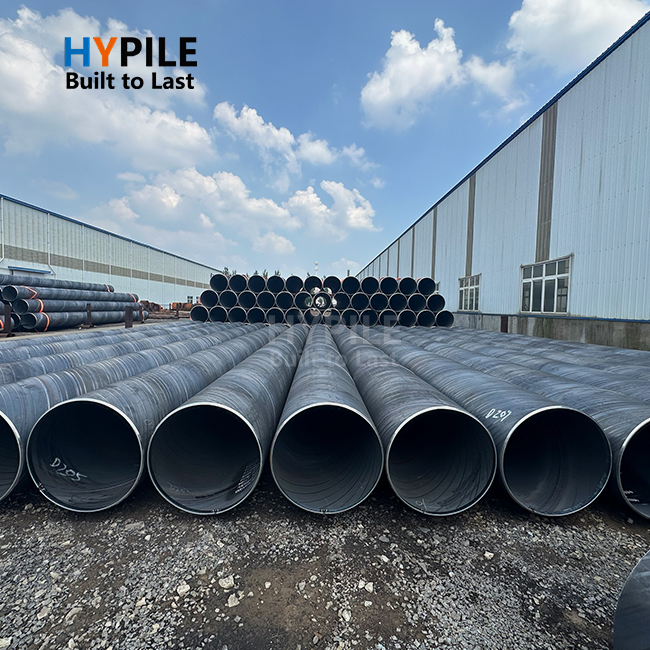
ASTM A106 Seamless Steel Pipe is the foundation of today's industry infrastructure. It works exceptionally well in high-temperature and high-pressure situations in important areas. These pipes work great in places like power plants, oil tanks, industrial plants, and building sites where dependability is very important. Grades A, B, and C of ASTM A106 pipes are available. These pipes can be used for many things, like moving steam, processing fuels, and moving dangerous fluids. Because of this, experts who need solid reliability and performance in tough industrial situations need to have them.
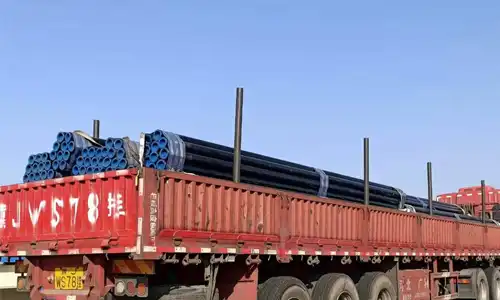
Understanding ASTM A106 Seamless Steel Pipe: Specifications and Properties
The guidelines set by ASTM A106 have been very successful because they were well thought out, and the products they use are very good. In this standard, there are three kinds of seamless carbon steel pipes. They are called A, B, and C. There are different grades for each type of stress and work need.
Chemical Composition and Mechanical Excellence
The amount of carbon in ASTM A106 pipes is controlled and is between 0.25% and 0.35%. This makes them strong enough for industrial uses while also keeping their weight low. With a manganese content of between 0.27% and 1.06%, the material is harder and stronger, and the silicon add-ons make it better at getting rid of air. A lot of people choose Grade B. It can handle jobs with low to high pressure because its tensile strength is at least 60,000 psi, and its yield strength is at least 35,000 psi.
Once the continuous method is used, there are no more weld cracks. This means that the wall thickness and mechanical properties are the same all the way along the pipe. When things are made this way, solid steel billets are cut and rolled over mandrels. This makes the structure stronger than when things are bonded. These pipes don't have horizontal welds, so they can stand up to higher loads and heat stress without breaking.
| STEEL GRADE | Composition Max, % | |||||||||
| C | Mn | P | S | Si | Cr | Cu | Mo | Ni | V | |
| ASTM A106 GR A | 0.25 | 0.27-0.93 | 0.035 | 0.035 | ≥0.10 | 0.40 | 0.40 | 0.15 | 0.40 | 0.08 |
| ASTM A106 GR B | 0.30 | 0.29-1.06 | 0.035 | 0.035 | ≥0.10 | 0.40 | 0.40 | 0.15 | 0.40 | 0.08 |
| ASTM A106 GR C | 0.35 | 0.29-1.06 | 0.035 | 0.035 | ≥0.10 | 0.40 | 0.40 | 0.15 | 0.40 | 0.08 |
| STEEL GRADE | Yield Strength , min,MPA | Tensile Strength , min,MPA | Elongation % | |||||||
| ASTM A106 GR A | 205 | 330 | 25 | |||||||
| ASTM A106 GR B | 240 | 415 | 16.5 | |||||||
| ASTM A106 GR C | 275 | 485 | 16.5 | |||||||
Temperature and Pressure Performance Characteristics
ASTM A106 pipes can work well in temperatures ranging from -29°F to 750°F (-34°C to 400°C). They stay stable even when it's cold outside. This temperature range is good for most jobs in industry that need to heat, cool, or handle things. Being able to make systems that stay the same size is possible because the way the material grows stays the same at these temperatures.
Between 150 and 3,000 psi can be used, depending on the width, wall thickness, and temperature of the pipe. There is equal force all over the surface when the pressure changes because the surface is smooth. The system is stable because there are no weak spots that could make it fall apart.
Typical Industrial Applications of ASTM A106 Seamless Steel Pipe
There are many fields that can use ASTM A106 seamless steel pipes because they can be formed in a number of ways. Because they are strong, don't break down at high temperatures, and are reliable, they meet important working needs.
Power Generation and Energy Infrastructure
Several types of power plants use ASTM A106 pipes for various purposes, including superheater tubes, economizer circuits, and steam transport systems. They are great for moving superheated steam at pressures above 1,000 psi because they can keep their shape at high temperatures. They are used in secondary cooling systems in nuclear power plants, which need materials that can handle radiation and changing temperatures.
ASTM A106 Grade B pipes are used a lot in boiler tubes at coal-fired power plants, where temperatures can hit 650°F. Because it is smooth, there are no stress collection places that could cause high-energy steam systems to fail catastrophically. The fact that these pipes don't rust makes them useful for natural gas power plants that deal with burning gases and liquid return systems.
Oil and Gas Processing Operations
ASTM A106 pipes are used by refineries to handle crude oil, connect distilling columns, and move products from one area to another. Because the material doesn't crack when exposed to hydrocarbons, it can be used to handle different fuel products at temperatures used for processing. These pipes are used in high-temperature areas by catalytic cracking units, where normal materials would break down quickly.
ASTM A106 pipes are used in blowout preventer systems and mud circulation lines on offshore drilling platforms, which have to work in harsh situations with saltwater exposure and changing pressures. The smooth building makes important safety systems reliable, since failure could cause environmental disasters.
Chemical and Petrochemical Industries
For moving toxic chemicals, steam heating systems, and process cooling circuits, chemical processing plants use ASTM A106 pipes. Because the material is stable at high temperatures and doesn't react with many chemicals, it can be used to connect reactor vessels and distilling equipment. In factories that make ethylene, these pipes are used in cracking furnaces that are constantly exposed to high and low temperatures.
For making polymers, petrochemical plants use ASTM A106 pipes, which are very important for keeping the temperature just right and keeping pollution from spreading. Seamless pipes have a smooth inside that keeps pressure from dropping and keeps products from breaking down while they're being shipped.
Comparing ASTM A106 with Other Pipes: Making Informed Procurement Decisions
Workers who buy things can pick the best materials for each job while keeping prices in mind if they know how ASTM A106 is different from other pipe standards.
ASTM A106 vs. ASTM A53: Material and Application Differences
ASTM A53 pipes are less expensive and can be used for things that don't need as much power. They can be joined together or not at all. Somewhat similar, A53 Grade B and A106 Grade B can handle the same temperatures but not the same amounts of stress. In temperatures below 400°F, A53 lines are only safe to use. For example, A106 lines can be used in temperatures up to 750°F without any problems.
A106 has stricter rules about how much phosphorus and sulfur can be in the material. It's easier to join and less likely to break when heated this way. A106 pipes are better for uses that involve heat cycles or working at high temperatures because they are made of better materials.
Seamless vs. Welded Construction Analysis
When you use seamless pipes instead of welded ones, there is no lengthwise weld gap. This means that the strength is the same across the whole pipe. This building benefit is very important in situations where there are changes in internal pressure or thermal growth stress. When pipes are welded, rust may happen more along the joint lines, especially in harsh chemical conditions.
When pipes are made, seamless ones are more accurate in terms of size and centering than soldered ones because of the way they are made. In precision uses where tight limits affect how well the system works, these traits are very important. On the other hand, smooth pipes usually cost more because they are harder to make.
Grade Selection: A, B, and C Comparison
The tensile strength of Grade A is at least 48,000 psi, so it can be used for both high- and low-pressure jobs. For steam and process lines that aren't under a lot of pressure, Grade B is usually best. It has a minimum tensile strength of 60,000 psi. Over 1,500 psi is the highest pressure that Grade C can handle. It has the most strength, at least 70,000 psi.
As you move from Seamless steel pipe Grade A to Grade C, the carbon amount slowly rises. This changes how well it welds and how much heat treatment is needed. Grade B is widely used in industrial settings because it is the best combination of strength and ease of manufacturing.
Best Practices for Procuring ASTM A106 Seamless Steel Pipe
To buy ASTM A106 pipes successfully, you need to carefully look at the supplier's skills, quality standards, and logistics to make sure the job goes well and costs are kept as low as possible.
Supplier Qualification and Quality Assurance
You can trust a supplier if they have full quality control systems that meet ISO 9001 standards and the right plant certifications. There should be a mill test document on each box that shows the chemicals used, the mechanical properties, and the largest size limits. Testing by a third party adds to the proof that the materials are right, especially when they will be used for important things.
Documented quality control methods and statistical process control should be used by manufacturing companies to show that they can consistently make things. Suppliers with more than one place where they make things offer more supply security and less variation in lead times. Facility checks done on a regular basis help keep quality standards high and find possible supply chain risks.
Inventory Management and Lead Time Planning
When you place an order for ASTM A106 pipes, they are usually made right away. The wait time depends on how difficult the specs are and how many pipes you need. It may take longer to make pipes with walls that aren't the normal width and larger sizes. Making plans for purchases early on helps projects stay on track and gives you the chance to get big deals.
It changes by seller and pipe size, but for normal sizes it's generally between 10 and 25 tons, and for special sizes it's more. Putting together the needs of several projects into one can help you get better deals and lower shipping costs per unit. Strategic warehouse management finds a balance between carrying costs and the risk of running out of stock.
Cost Optimization and Contract Terms
Volume buying deals can save you a lot of money and make sure you always have a stock of goods. Price, safety, and assured arrival dates are common parts of long-term relationships with reliable providers. Payment terms are usually net 30 to 60 days, and some sellers offer savings for paying early.
Transportation costs make up a big part of all buying costs, especially when there are a lot of items to send or the sites are far away. Logistics costs can be cut by 15 to 20 percent by combining packages and finding the best routes. International providers with well-established transportation networks may be able to save money by using port-to-port delivery terms.
Ensuring Longevity and Performance: Maintenance and Handling Tips
Proper installation, maintenance, and handling practices maximize the service life of seamless steel pipes, such as ASTM A106 seamless steel pipes, while preventing premature failures that could compromise system reliability.
Installation Best Practices and Quality Control
Pipe installation begins with proper handling and storage to prevent damage during transportation and staging. Pipes should be stored on level surfaces with adequate support to prevent sagging or ovalization. End caps protect internal surfaces from contamination that could affect system performance. Pre-installation inspection verifies dimensional accuracy and surface condition.
Welding procedures must comply with ASME Section IX requirements, utilizing qualified welders and documented welding procedure specifications. Proper preheating and post-weld heat treatment prevent cracking and ensure optimal mechanical properties. Nondestructive testing, including radiographic or ultrasonic examination, verifies weld quality and structural integrity.
Corrosion Prevention and Surface Protection
External corrosion protection typically involves primer and topcoat application systems designed for specific environmental conditions. Underground installations require cathodic protection systems and specialized coating materials resistant to soil conditions. Insulation systems should include vapor barriers, preventing moisture accumulation that accelerates corrosion.
Internal corrosion control may involve chemical inhibitors, protective linings, or operational modifications to reduce corrosive conditions. Regular water chemistry monitoring helps identify conditions that could accelerate internal corrosion. Cathodic protection systems provide electrochemical corrosion control for buried or submerged piping systems.
Inspection and Maintenance Protocols
Routine inspection programs should include visual examinations, wall thickness measurements, and leak detection surveys. Ultrasonic testing provides accurate wall thickness data for determining remaining service life and scheduling replacement activities. Thermal imaging can identify hot spots indicating internal flow restrictions or insulation failures.
Preventive maintenance schedules should address valve operation, support structure integrity, and expansion joint functionality. Documentation systems track inspection results, maintenance activities, and performance trends, enabling predictive maintenance planning. Regular calibration of monitoring equipment ensures measurement accuracy and reliability.
Conclusion
ASTM A106 Seamless Steel Pipe continues to serve as a critical component in modern industrial infrastructure, delivering reliable performance across demanding applications in power generation, oil and gas processing, and chemical manufacturing. The seamless construction, combined with carefully controlled chemical composition and mechanical properties, provides the durability and safety margins required in high-temperature, high-pressure environments. Proper specification selection, supplier qualification, and maintenance practices ensure optimal performance and extended service life, making ASTM A106 pipes a sound investment for long-term industrial operations.
FAQ
1. What industries primarily use ASTM A106 seamless steel pipes?
Power generation facilities, oil refineries, petrochemical plants, and chemical processing operations represent the primary users of ASTM A106 pipes. These industries require materials capable of handling high temperatures, pressures, and potentially corrosive substances. The seamless construction provides reliability in critical applications where failure could result in significant safety or environmental consequences.
2. How can buyers verify supplier authenticity and quality?
Reputable suppliers provide mill test certificates, maintain ISO 9001 certification, and welcome third-party inspection services. Quality suppliers offer facility tours, maintain documented quality systems, and provide references from previous customers. Verification should include checking business licenses, insurance coverage, and industry certifications relevant to pipe manufacturing.
3. What temperature ranges are suitable for ASTM A106 applications?
ASTM A106 pipes operate effectively from -29°F to 750°F (-34°C to 400°C), covering most industrial heating and cooling applications. Grade selection affects temperature capability, with Grade B being most common for moderate temperature services. Applications exceeding these limits require specialized materials or additional engineering analysis to ensure safe operation.
4. What are the key differences between ASTM A106 grades A, B, and C?
The grades differ primarily in tensile strength and carbon content. Grade A provides 48,000 psi minimum tensile strength for low-pressure applications. Grade B offers 60,000 psi strength for general industrial use. Grade C delivers 70,000 psi strength for high-pressure services. Higher grades contain more carbon, affecting weldability and requiring more careful heat treatment procedures.
Partner with HYPILE for Premium ASTM A106 Seamless Steel Pipe Solutions
HYPILE delivers superior quality ASTM A106 seamless steel pipes engineered to meet the most demanding industrial requirements. Our comprehensive manufacturing capabilities span grades A, B, and C with diameters from 10.3 mm to 1,219 mm and wall thicknesses from 1.73 mm to 200 mm, ensuring precise specifications for your critical applications. Building on 45+ years of engineering excellence, we provide complete turnkey solutions, including material supply, protective coatings, and precision fabrication services. Our "BUILD TO LAST" philosophy guarantees uncompromising quality and lifetime structural integrity for power generation, petrochemical, and industrial processing projects.
Contact our expert team at sales@hypile.com to discuss your specific requirements and discover why leading EPC contractors and industrial companies trust HYPILE as their preferred ASTM A106 seamless steel pipe supplier. We offer competitive pricing, certified quality assurance, and reliable delivery schedules that keep your projects on track and within budget.
References
1. American Society for Testing and Materials. "Standard Specification for Seamless Carbon Steel Pipe for High-Temperature Service." ASTM A106/A106M-19a. West Conshohocken, PA: ASTM International, 2019.
2. Harvey, John F. "Theory and Design of Pressure Vessels." 2nd Edition. New York: Van Nostrand Reinhold Company, 1985.
3. American Society of Mechanical Engineers. "ASME Boiler and Pressure Vessel Code, Section II: Materials." New York: ASME Press, 2021.
4. Bai, Yong and Qiang Bai. "Subsea Pipeline Design, Analysis, and Installation." Oxford: Gulf Professional Publishing, 2014.
5. Singh, Rajinder. "Pipeline Integrity Management Systems: A Practical Guide." Tulsa: PennWell Corporation, 2013.
6. Mohitpour, Mohammad, Howard Golshan, and Alison Murray. "Pipeline Design and Construction: A Practical Approach." 3rd Edition. New York: ASME Press, 2007.
Have a project in mind? Tell us your goals — we’ll help you make it real.