- English
- French
- German
- Portuguese
- Spanish
- Russian
- Japanese
- Korean
- Arabic
- Greek
- German
- Turkish
- Italian
- Danish
- Romanian
- Indonesian
- Czech
- Afrikaans
- Swedish
- Polish
- Basque
- Catalan
- Esperanto
- Hindi
- Lao
- Albanian
- Amharic
- Armenian
- Azerbaijani
- Belarusian
- Bengali
- Bosnian
- Bulgarian
- Cebuano
- Chichewa
- Corsican
- Croatian
- Dutch
- Estonian
- Filipino
- Finnish
- Frisian
- Galician
- Georgian
- Gujarati
- Haitian
- Hausa
- Hawaiian
- Hebrew
- Hmong
- Hungarian
- Icelandic
- Igbo
- Javanese
- Kannada
- Kazakh
- Khmer
- Kurdish
- Kyrgyz
- Latin
- Latvian
- Lithuanian
- Luxembou..
- Macedonian
- Malagasy
- Malay
- Malayalam
- Maltese
- Maori
- Marathi
- Mongolian
- Burmese
- Nepali
- Norwegian
- Pashto
- Persian
- Punjabi
- Serbian
- Sesotho
- Sinhala
- Slovak
- Slovenian
- Somali
- Samoan
- Scots Gaelic
- Shona
- Sindhi
- Sundanese
- Swahili
- Tajik
- Tamil
- Telugu
- Thai
- Ukrainian
- Urdu
- Uzbek
- Vietnamese
- Welsh
- Xhosa
- Yiddish
- Yoruba
- Zulu
Understanding ASTM A36 Steel Pipe Dimensions for Your Projects
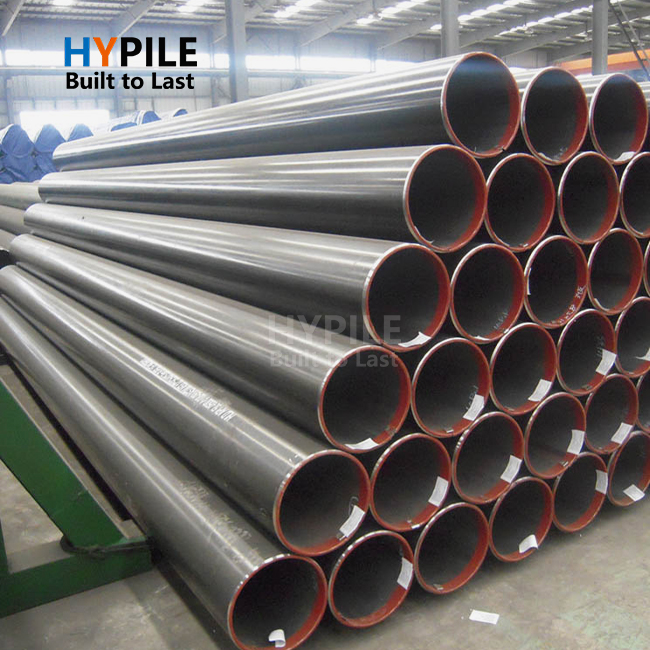
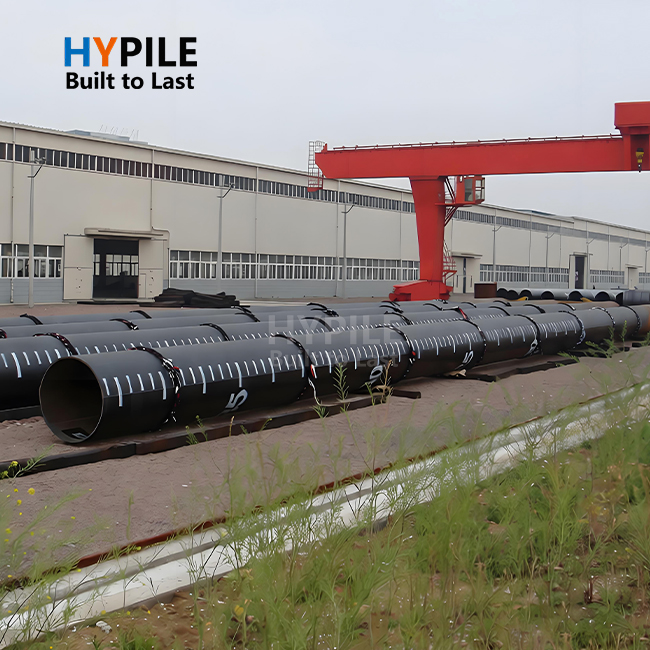
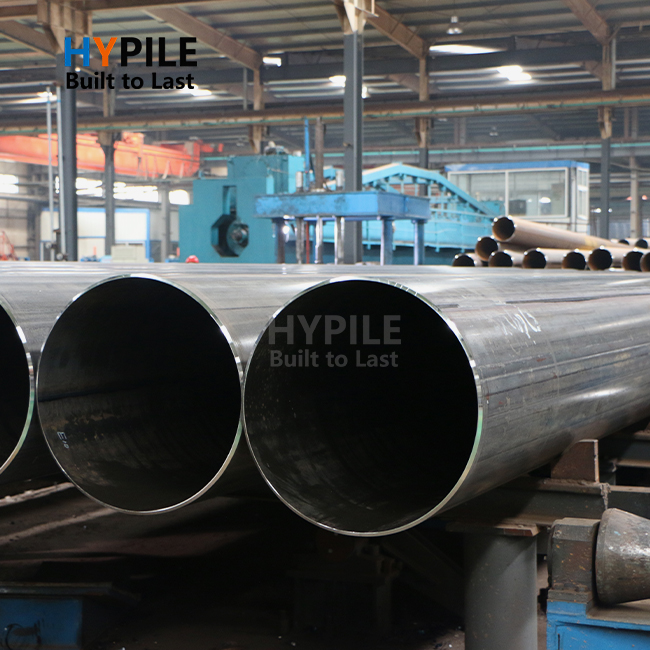
For building, industry, and construction projects to go smoothly, you need to know the appropriate ASTM A36 Steel Pipe specifications. Because they are so flexible and strong, these carbon steel pipes are the first choice of engineers and buying workers all over the world. The outer width of ASTM A36 steel pipe can range from 21.3 mm to 7000 mm, and the thickness can range from 0.8 mm to 230 mm. These standard sizes make it useful for a lot of different structure and base engineering tasks. To pick the right products, keep costs low, and get the best job results, it's important to understand measurements properly.
General Overview of ASTM A36 Steel Pipe Dimensions
ASTM A36 steel pipe is commonly used in modern construction and industry because it is strong and cheap. People know this kind of carbon steel for how well it welds and how useful it is for many types of work. So, it's a great choice for projects that need to do base engineering, building construction, or building up infrastructure.
Fundamental Standards and Specifications
ASTM A252 standards set exact requirements for the outer diameter, wall thickness, and length of A36 steel pipes. The sizes of the lines are controlled by these norms. To make these lines, we use different types of welding, such as ERW (Electric Resistance Welding), SSAW (Spiral Submerged Arc Welding), and LSAW (Longitudinal Submerged Arc Welding). Each one is useful for different things.
People who work with getting things need to know the difference between how pipes are measured in theory and how they are measured in real life. Real measures tell you the exact physical qualities of a building that affect how well it works and how well it fits in your home. Nominal lengths make it easier to describe and place orders. This information helps engineers choose the right lines that meet the needs of the plan and the limitations of the building site.
Applications Across Industries
People use A36 steel pipes a lot in construction projects, to build infrastructure, in factories, and in cities. They can be made in many sizes, so they can be used for home projects of all kinds and large business buildings. It's great for one-of-a-kind production and making changes on-site because the material is so easy to weld. This makes the job easier and cuts down on installation time.
Detailed Analysis of Key ASTM A36 Steel Pipe Dimensions
The size and shape of ASTM A36 steel pipes have a direct effect on how well they work in structures, how easy they are to install, and the total success of the project. Understanding these important measures helps you make smart choices during the whole process of buying and building.
Outer Diameter and Wall Thickness Specifications
You can get A36 steel pipes with outside sizes ranging from 21.3 mm to 7000 mm, which gives you a lot of options for a wide range of construction uses. Engineers can choose the best layouts based on load needs, dirt conditions, and safety concerns by choosing wall thicknesses ranging from 0.8 mm to 230 mm. With this wide range, the right physical standards can be used to solve almost any base or structure problem.
Both how much weight a pipe can hold and how well it can resist outside pressure depend on how wide and thick its walls are. Pipes with bigger sizes and stronger walls are best for tough jobs like deep-base systems, military projects, and large industrial installations. If you want to build something lighter, on the other hand, choices with smaller widths and thinner walls will save you money.
Length Considerations and Customization Options
Steel pipes made from A36 can be up to 100 meters long, which means they can be used for many different projects and in many different ways. This amazing length ability means that there are fewer joints needed for long-span uses. This makes the structure stronger and easier to put together. To make the best use of materials and cut down on waste, custom length specs can be set up to fit the needs of a specific job.
How to move, handle, and store things is also affected by their length. Longer pipes may need special plans for shipping, while shorter pieces are more flexible in tight building sites. Knowing about these trade-offs helps project managers find a balance between the performance needs of the structure and the limitations of how it can be installed.
Weight and Tolerance Standards
Estimating weight correctly is important for designing the base, planning the crane's capacity, and moving the items. A36 steel pipes use known weight charts that link the pipe's size to its weight. This lets you figure out how much it weighs correctly and pick the right tools. These standard guides make sure that planning is always right, even when different sources and ways of making things are used.
The ASTM A252 guidelines set limits for dimensions that make sure the quality and suitability of each batch of products are the same. Knowing these limit levels helps engineers set the right safety factors and make sure that the product will work reliably in tough situations. Tight tolerance control also makes it easier for structural parts to fit together smoothly and cuts down on the number of changes that need to be made in the field.
Comparison of ASTM A36 Steel Pipe Dimensions with Other Common Steel Pipes
If you want to buy the right type of steel pipe, you should think about its size, its material, and what it will be used for. Sometimes, A36 steel pipes should be used instead of other kinds. There may be times when other types are better.
ASTM A36 vs. ASTM A53 Dimensional Characteristics
Instead of ASTM A36 pipes, ASTM A53 pipes usually come in more forms and wall thicknesses. More often used for irrigation and other things, A53 pipes are better for building and other general pipe uses than A36 pipes. As a result of their wider range of sizes, A36 standards allow for more creative building options on large construction projects.
The ways these grades are made also have an effect on their consistent dimensions and how well they hold up in structures. When A36 pipes are made using the LSAW and SSAW methods, they often have better shape accuracy and structural stability than normal welded pipes. This makes them perfect for use in important structural applications.
Performance Comparison with High-Strength Alternatives
While higher-grade steel pipes are stronger, A36 pipes are the best choice for general structural uses because they offer the best mix of performance and cost-effectiveness. Because A36 standards allow for a wide range of sizes, engineers can get the performance levels they need without having to spend a lot of money on expensive material changes.
A36 steel is very easy to weld, which also helps with measurements during steel pipeline manufacturing and installation. With A36 material, it's easier to make custom changes, links, and adjustments in the field. This makes the job simpler and less likely to be delayed. This manufacturing freedom usually makes up for any weaknesses in strength through better design methods.
How to Verify and Test ASTM A36 Steel Pipe Dimensions and Quality?
Making sure that numbers are correct and materials are good takes thorough checking methods that include both measuring things physically and testing their properties. Correct testing methods protect the purity of the project and lower the risks that come with using low-quality materials.
Dimensional Measurement Techniques
For professional measuring proof, tools like calipers, micrometers, and ultrasound thickness gauges are used to make accurate measurements. The results from these tools are reliable, and they can be compared to ASTM A252 standards to make sure they meet project needs. Taking random measurements during shipping batches is a good way to find any differences in size that could affect installation or function.
When checking the thickness of a wall, ultrasonic testing is especially useful because it can measure without damaging the pipe (wall thickness proof). This technology lets you check the quality of a product completely without changing how it works or how it's built.
Material Property and Chemical Composition Testing
To make sure that all A36 requirements are met, material quality testing must be done along with dimension proof. The chemical makeup study shows the amount of carbon, manganese, and other alloying elements that affect how well the structure works and how well it can be welded. Testing the mechanical properties of a material confirms its yield strength, tensile strength, and stretch traits, which show how much weight it can hold.
These thorough testing methods give people faith in the performance of materials and help keep projects from being delayed or failing in ways that cost a lot of money. Working with approved makers who keep strict quality control systems in place makes sure that both size and property standards are always met.
| STEEL GRADE | Composition Max, % | ||||||||
| C | Mn | P | S | Si | Cu | ||||
| ASTM A36 | 0.26 | 1.35 | 0.040 | 0.050 | 0.40 | min. 0.20 when copper steel is specified | |||
| STEEL GRADE | Yield Strength , min,MPA | Tensile Strength MPA |
Elongation in 2in min % |
||||||
| ASTM A36 | 250 | 400 -500 | 21 | ||||||
Supplier Certification and Quality Assurance
Working with qualified providers who follow ISO quality management systems gives you even more peace of mind about the accuracy of measurements and the regularity of materials. Manufacturers with a good reputation spend money on high-tech quality control tools and methods that go beyond basic ASTM standards. This makes their products better and more reliable for projects.
Supplier approval should cover things like how the supplier makes things, how they check for quality, and how they calibrate testing tools. These quality standards are kept up to date with regular checks and performance reports. This makes sure that the dimensions are always correct and the materials work well at all stages of a project.
Procurement Considerations for ASTM A36 Steel Pipe Dimensions
Strategic procurement planning for A36 steel pipes within the steel pipeline requires careful consideration of dimensional specifications, quantity requirements, and delivery logistics. Understanding how dimensional characteristics influence costs and logistics enables more effective procurement decisions for the steel pipeline.
Cost Implications of Dimensional Specifications
Pipe dimensions significantly impact both material costs and associated handling expenses. Larger diameter pipes with substantial wall thickness command higher material costs but may provide better overall value through reduced installation complexity and enhanced structural performance. Conversely, optimizing dimensions to meet minimum performance requirements can achieve significant cost savings without compromising project integrity.
Volume considerations also affect pricing structures, as bulk orders often qualify for preferential rates and reduced per-unit costs. Planning dimensional requirements across multiple project phases can create opportunities for consolidated purchasing that improves cost-effectiveness while ensuring consistent material availability.
Logistics and Delivery Planning
Dimensional characteristics directly influence transportation requirements, storage needs, and handling equipment specifications. Large-diameter pipes may require specialized transportation arrangements and lifting equipment, while smaller dimensions offer greater flexibility in logistics planning. Understanding these requirements early in the procurement process helps avoid delays and unexpected costs.
Storage planning must accommodate dimensional variations and protect pipe surfaces from damage during extended storage periods. Proper storage arrangements preserve dimensional accuracy and surface quality, ensuring materials remain suitable for their intended applications throughout project timelines.
Supplier Selection Criteria
Evaluating potential suppliers requires assessment of their manufacturing capabilities, dimensional accuracy standards, and quality control procedures. Suppliers with advanced welding processes, such as LSAW and SSA,W often deliver superior dimensional consistency and structural performance compared to standard manufacturing approaches.
HYPILE's comprehensive manufacturing capabilities encompass all major welding processes and dimensional ranges specified in ASTM A252 standards. Our integrated approach combines material supply, precision fabrication, and engineering support to deliver complete solutions that meet the most demanding project requirements. With over 45 years of group expertise in foundation engineering, we understand the critical importance of dimensional accuracy in structural applications.
Conclusion
Understanding ASTM A36 steel pipe dimensions is fundamental to successful project execution across construction, infrastructure, and industrial applications. The comprehensive dimensional range from 21.3 mm to 7000 mm in outer diameter and 0.8 mm to 230 mm in wall thickness provides exceptional flexibility for diverse structural requirements. Proper dimensional selection, combined with rigorous verification procedures and strategic procurement planning, ensures optimal project outcomes while maintaining cost-effectiveness. The excellent weldability and versatility of A36 steel make it an ideal choice for foundation engineering and structural applications where dimensional flexibility and reliable performance are essential.
FAQ
1. What are the standard thickness ranges for ASTM A36 steel pipes?
ASTM A36 steel pipes are available in wall thicknesses ranging from 0.8 mm to 230 mm, providing extensive options for various structural and foundation applications. This broad range accommodates everything from light structural requirements to heavy-duty industrial installations, with thickness selection based on load requirements, soil conditions, and safety factors.
2. How do ASTM A36 dimensions compare with ASTM A53 specifications?
ASTM A36 pipes offer broader dimensional ranges compared to ASTM A53, particularly in larger diameters and wall thickness options. While A53 pipes are typically used for general piping applications, A36 specifications are optimized for structural and foundation engineering, providing greater flexibility for custom structural solutions and enhanced load-bearing capabilities.
3. What methods ensure accurate dimension verification for A36 pipes?
Reliable dimension verification utilizes precision measurement tools including calipers, micrometers, and ultrasonic thickness gauges. Professional testing should encompass outer diameter, wall thickness, and length measurements compared against ASTM A252 standards. Additional material property testing and chemical composition analysis provide comprehensive quality assurance for critical structural applications.
Partner with HYPILE for Premium ASTM A36 Steel Pipe Solutions
HYPILE delivers exceptional ASTM A36 Steel Pipe solutions backed by 45+ years of foundation engineering expertise and our "BUILD TO THE LAST" philosophy. Our integrated manufacturing capabilities encompass ERW, SSAW, and LSAW welding processes, producing pipes with outer diameters from 21.3mm to 7000mm and wall thickness from 0.8mm to 230mm. As a certified ASTM A36 Steel Pipe manufacturer, we provide comprehensive services including material supply, precision fabrication, protective coating, and engineering support. Our advanced quality control systems ensure dimensional accuracy and material consistency that exceed industry standards. Contact sales@hypile.com today to discuss your project requirements and experience the reliability that has made HYPILE a trusted partner for the world's most demanding infrastructure projects.
References
1. ASTM International. "ASTM A252/A252M - Standard Specification for Welded and Seamless Steel Pipe Piles." Annual Book of ASTM Standards, Volume 01.06.
2. American Institute of Steel Construction. "Steel Construction Manual: Dimensions and Properties of Steel Pipes." 15th Edition, Chicago: AISC.
3. Barsom, John M. and Stanley T. Rolfe. "Fracture and Fatigue Control in Structures: Applications of Fracture Mechanics." 3rd Edition, ASTM International.
4. Chen, Wai-Fah and Eric M. Lui. "Handbook of Structural Engineering: Steel Pipe Properties and Design Applications." 2nd Edition, CRC Press.
5. Kulak, Geoffrey L., John W. Fisher, and John H.A. Struik. "Guide to Design Criteria for Bolted and Riveted Joints: Steel Pipe Connection Standards." 2nd Edition, AISC.
6. Salmon, Charles G., John E. Johnson, and Faris A. Malhas. "Steel Structures: Design and Behavior Emphasizing Load and Resistance Factor Design." 5th Edition, Pearson Education.
Have a project in mind? Tell us your goals — we’ll help you make it real.