- English
- French
- German
- Portuguese
- Spanish
- Russian
- Japanese
- Korean
- Arabic
- Greek
- German
- Turkish
- Italian
- Danish
- Romanian
- Indonesian
- Czech
- Afrikaans
- Swedish
- Polish
- Basque
- Catalan
- Esperanto
- Hindi
- Lao
- Albanian
- Amharic
- Armenian
- Azerbaijani
- Belarusian
- Bengali
- Bosnian
- Bulgarian
- Cebuano
- Chichewa
- Corsican
- Croatian
- Dutch
- Estonian
- Filipino
- Finnish
- Frisian
- Galician
- Georgian
- Gujarati
- Haitian
- Hausa
- Hawaiian
- Hebrew
- Hmong
- Hungarian
- Icelandic
- Igbo
- Javanese
- Kannada
- Kazakh
- Khmer
- Kurdish
- Kyrgyz
- Latin
- Latvian
- Lithuanian
- Luxembou..
- Macedonian
- Malagasy
- Malay
- Malayalam
- Maltese
- Maori
- Marathi
- Mongolian
- Burmese
- Nepali
- Norwegian
- Pashto
- Persian
- Punjabi
- Serbian
- Sesotho
- Sinhala
- Slovak
- Slovenian
- Somali
- Samoan
- Scots Gaelic
- Shona
- Sindhi
- Sundanese
- Swahili
- Tajik
- Tamil
- Telugu
- Thai
- Ukrainian
- Urdu
- Uzbek
- Vietnamese
- Welsh
- Xhosa
- Yiddish
- Yoruba
- Zulu
Cost-Effective Plastic Pile Caps: Save on Foundation Work Without Compromising Quality
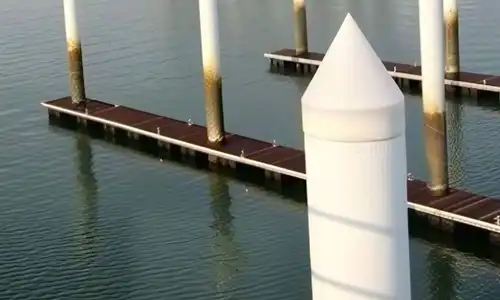
When it comes to foundation building, it's always hard for project managers and buying workers to find the best mix between saving money and making sure the structure is strong. Plastic Pile Caps are a novel answer that solves both problems at the same time. These protected covers for pipe, wood, and concrete piles work very well and cut down on total project costs by a large amount. Modern pile caps come in square and round forms with flat or conical curves. They are made of long-lasting PP/HDPE injection-molded materials that can handle harsh environments without lowering quality or safety standards.
Understanding Plastic Pile Caps and Their Benefits
Plastic pile caps are a big change in the way foundations are protected because they offer a wide range of benefits that other materials can't match. These safety features keep pile structures safe from external threats, ensuring their long-term security and performance in a wide range of building tasks.
Superior Material Properties and Design Flexibility
Modern pile safety systems use high-grade polypropylene and high-density polyethylene because they are strong and don't break down easily in tough conditions. With injection molding, you can make things that are smooth and even, with no weak spots like you often see in other materials. These caps can handle temperatures between -20°C and 60°C, and you can get unique options for uses that need longer heat protection.
The design's adaptability goes beyond simple usefulness, offering both nice and useful advantages. Black, white, yellow, and red are the most common colors. There are other choices that can be changed to fit the needs of a project in terms of publicity and matches. Colors that are easy to see are better for safety on construction sites, and UV-resistant materials keep the color and structure for a long time.
Environmental Resistance and Durability Advantages
When used in naval and industrial settings where normal materials break down quickly, chemical protection is a huge benefit. When compared to metal alternatives that rust or wood alternatives that break down biologically, plastic-protected caps keep their shape even when they are exposed to saltwater, industrial chemicals, and extreme weather. This resistance directly leads to fewer upkeep needs and a longer service life, which saves building projects a lot of money in the long run.
Weather tolerance includes more than just resistance to water. It also includes UV exposure, temperature growth, and freeze-thaw cycles. Modern plastics don't crack or break easily because of the way their molecules are structured. This keeps them safe over time.
Comparing Plastic Pile Caps with Alternative Materials
Before you choose a material, you should think about how it will work, how much it will cost over time, and what the job calls for. If you know how plastic pile cap options compare to more common ones, you can make smart decisions that will help a project now and in the future.
Cost-Performance Analysis Across Material Types
It's hard to set up heavy-duty concrete pile caps, but they are strong. It gets hard more slowly, and you need big tools to move and work with it. Transporting big, heavy things to building places that are far away or on water costs more.
Although aluminum and steel that look like metal are very strong, they rust quickly, which makes them less useful over time. At first, protective clothing costs more, and it needs to be fixed up and bought again over time. Heat can move through metal easily, so mist can form in some places. Could make the pile weaker.
Performance Metrics in Challenging Environments
Marine uses show that plastic protection solutions work better than other options. Experimental tests with salt spray show that plastic caps keep their shape, while metal caps break down a lot after just a few months. This performance edge is especially useful for seaside building projects that need to be reliable for a long time because repair costs are high and the area is hard to get to.
Similar performance gaps are seen in industrial settings where chemicals are used. Acids, bases, and organic fluids quickly break down other materials, but plastic formulations don't. This means that they don't need to be replaced as often or need repair work that stops operations.
Installation and Usage Guide for Plastic Pile Caps
Proper installation techniques maximize the protective capabilities and service life of pile cap systems. Understanding best practices ensures optimal performance while minimizing installation time and labor requirements.
Site Preparation and Fitting Procedures
Effective installation begins with thorough pile preparation, including debris removal and surface inspection. The pile end must be clean and free from irregularities that could compromise the seal integrity. Dimensional verification ensures proper fit, as undersized caps provide inadequate protection, while oversized options may slip or detach under load conditions.
The snap-fit or press-fit installation process requires consistent application pressure to achieve proper seating. Quality installations create uniform contact around the pile perimeter, eliminating gaps that allow moisture or debris infiltration. Visual inspection confirms complete engagement, while periodic monitoring during initial service periods validates long-term attachment security.
Maintenance and Monitoring Strategies
Regular inspection protocols extend the cap service life and maintain protective effectiveness. Monthly visual assessments identify potential issues before they compromise pile protection, while annual detailed examinations evaluate overall system performance. Signs requiring attention include visible cracking, color fading beyond acceptable limits, or loose-fitting that allows movement.
Replacement indicators include UV degradation that affects structural properties, impact damage from construction activities, or chemical attack in specialized environments. Proactive replacement prevents pile exposure and potential damage that exceeds cap replacement costs by significant margins.
Procuring Plastic Pile Caps: What B2B Buyers Need to Know?
You need to know how prices work, what sellers can do, and how to make sure that the technical specs fit the project's needs in order to buy plastic pile caps well. Where you choose to get plastic pile caps affects both the cost of the project in the short term and its success in the long term.
Pricing Models and Volume Considerations
Unit costs go down a lot when you buy a lot of something, which makes buying in bulk a good idea for big building projects. The smallest amount you can buy is usually between 100 and 500 pieces, but this depends on the size and level of customization you need. Standard setups have lead times ranging from two to six weeks. Custom colors or designs may need longer manufacturing times.
A lifecycle cost study shows that luxury plastic formulas are more valuable over time, even though they cost more at first. Better UV protection, chemical compatibility, and temperature performance explain price differences by making things last longer and needing to be replaced less often.
Supplier Evaluation and Quality Assurance
Suppliers who are qualified show that they follow the rules for their business and keep quality control uniform throughout the whole producing process. The ability to do injection casting, the approval of materials, and the testing procedures give you an idea of how reliable a source is and how consistent the products are. Material approvals, measurement standards, and performance test results are some of the things that need to be documented.
When dealing with problems that are unique to a program or when change is needed, technical help skills become useful. Suppliers who offer technical advice and installation help make sure that projects are completed successfully and with as few problems as possible.
Why Plastic Pile Caps Are the Smart Choice for Your Foundation Projects?
Market adoption continues to expand as project teams recognize the comprehensive advantages plastic solutions provide across diverse applications. Performance validation through real-world installations demonstrates reliability and cost-effectiveness that traditional materials cannot match.
Performance Validation and Market Trends
Independent testing confirms that modern plastic formulations exceed performance requirements for typical pile protection applications. Accelerated aging tests simulate decades of environmental exposure, validating long-term durability claims. Impact resistance testing demonstrates the ability to withstand construction activities and accidental damage without structural compromise.
Growing adoption in maritime infrastructure reflects confidence in plastic performance under extreme conditions. Port facilities, marine terminals, and offshore structures increasingly specify plastic protection due to proven corrosion resistance and minimal maintenance requirements.
Future-Proofing Infrastructure Investments
Sustainability considerations drive increased adoption as environmental regulations become more stringent. Plastic cap recycling capabilities align with green building requirements while reducing waste disposal costs. The carbon footprint of plastic production and transportation remains significantly lower than that of concrete or metal alternatives.
Technology advancement continues to improve material properties and expand application possibilities for plastic pile caps. Enhanced formulations offer improved chemical resistance, extended temperature ranges, and specialized characteristics for emerging applications in renewable energy and advanced infrastructure projects.
Conclusion
Plastic pile caps represent a strategic solution for cost-conscious foundation projects that demand uncompromising quality and long-term reliability. The combination of superior environmental resistance, reduced installation complexity, and lifecycle cost advantages makes plastic protection the preferred choice for modern infrastructure development. Project teams can confidently specify plastic solutions knowing they deliver proven performance while optimizing budget allocation across project phases.
FAQ
1. What temperature range can plastic pile caps withstand?
Standard plastic pile caps operate effectively within -20°C to 60°C temperature ranges. Custom formulations extend these limits for specialized applications requiring enhanced thermal resistance in extreme climates.
2. How do plastic caps compare to concrete options for marine applications?
Plastic caps demonstrate superior performance in marine environments due to corrosion resistance and lighter weight characteristics. Unlike concrete alternatives that require complex installation and suffer from salt damage, plastic solutions maintain integrity throughout extended saltwater exposure.
3. What customization options are available for project-specific requirements?
Customization includes color matching, dimensional modifications, and specialized material formulations. Round and square shapes accommodate various pile configurations, while flat or cone profiles optimize load distribution and aesthetic requirements.
4. How do I determine the correct cap size for my pile installation?
Accurate pile diameter measurement ensures proper fit selection. Caps should create snug contact without excessive force during installation, maintaining secure attachment while allowing thermal expansion and contraction.
Ready to Optimize Your Foundation Projects with HYPILE's Plastic Pile Cap Solutions?
HYPILE's comprehensive foundation engineering expertise extends to providing superior plastic pile cap solutions that deliver exceptional value for demanding infrastructure projects. Our injection-molded protective caps utilize premium PP/HDPE materials engineered for optimal performance across marine, industrial, and urban construction applications. With 45+ years of group experience and our "BUILD TO THE LAST" philosophy, we understand the critical importance of reliable pile protection in foundation systems. Whether you require standard configurations or customized solutions for specialized projects, our team provides technical consultation and quality assurance that exceeds industry standards. Contact our experienced procurement specialists at sales@hypile.com to discuss your plastic pile caps supplier requirements and discover how our cost-effective solutions can enhance your next foundation project.
References
1. American Society of Civil Engineers. "Foundation Protection Systems: Performance Standards and Best Practices." Journal of Structural Engineering, 2023.
2. Construction Industry Research and Information Association. "Comparative Analysis of Pile Protection Materials in Marine Environments." Technical Report 184, 2022.
3. International Association of Foundation Drilling. "Cost-Benefit Analysis of Modern Pile Cap Systems." Foundation Engineering Quarterly, 2023.
4. National Institute of Standards and Technology. "Durability Assessment of Plastic Materials in Infrastructure Applications." NIST Technical Publication 1847, 2022.
5. Society for Protective Coatings. "Environmental Resistance of Polymer-Based Construction Materials." Protective Coatings Review, 2023.
6. World Association of Soil and Foundation Engineers. "Sustainable Foundation Protection Technologies: Global Implementation Guidelines." Technical Manual Series, 2022.
Have a project in mind? Tell us your goals — we’ll help you make it real.