- English
- French
- German
- Portuguese
- Spanish
- Russian
- Japanese
- Korean
- Arabic
- Greek
- German
- Turkish
- Italian
- Danish
- Romanian
- Indonesian
- Czech
- Afrikaans
- Swedish
- Polish
- Basque
- Catalan
- Esperanto
- Hindi
- Lao
- Albanian
- Amharic
- Armenian
- Azerbaijani
- Belarusian
- Bengali
- Bosnian
- Bulgarian
- Cebuano
- Chichewa
- Corsican
- Croatian
- Dutch
- Estonian
- Filipino
- Finnish
- Frisian
- Galician
- Georgian
- Gujarati
- Haitian
- Hausa
- Hawaiian
- Hebrew
- Hmong
- Hungarian
- Icelandic
- Igbo
- Javanese
- Kannada
- Kazakh
- Khmer
- Kurdish
- Kyrgyz
- Latin
- Latvian
- Lithuanian
- Luxembou..
- Macedonian
- Malagasy
- Malay
- Malayalam
- Maltese
- Maori
- Marathi
- Mongolian
- Burmese
- Nepali
- Norwegian
- Pashto
- Persian
- Punjabi
- Serbian
- Sesotho
- Sinhala
- Slovak
- Slovenian
- Somali
- Samoan
- Scots Gaelic
- Shona
- Sindhi
- Sundanese
- Swahili
- Tajik
- Tamil
- Telugu
- Thai
- Ukrainian
- Urdu
- Uzbek
- Vietnamese
- Welsh
- Xhosa
- Yiddish
- Yoruba
- Zulu
Why Is the Casing Shoe Important in Drilling Projects? Key Insights
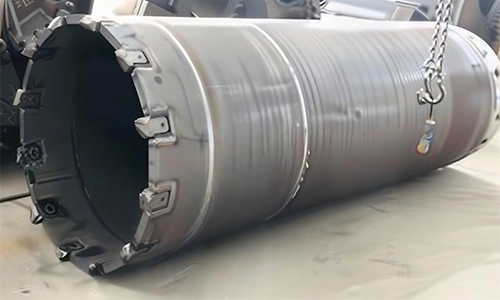
Casing shoes are one of the most important parts of successful drilling operations because they protect expensive casing systems from hard rock formations. These special tools keep the tips of the casings from deforming while they are being driven through hard or blocked layers. They also make it much easier to penetrate and lower the driving resistance for both the inner and outer casings. Modern casing shoe designs keep the multiple casing layers perfectly aligned, make sure the cutting edges are clean for effective soil removal, and increase the lifespan of pricey double casing systems. When project managers and buying workers know how important they are, they can make decisions that have a direct effect on how well drilling goes, how safe it is, and how successful the project is overall.
Understanding Casing Shoes in Drilling Projects
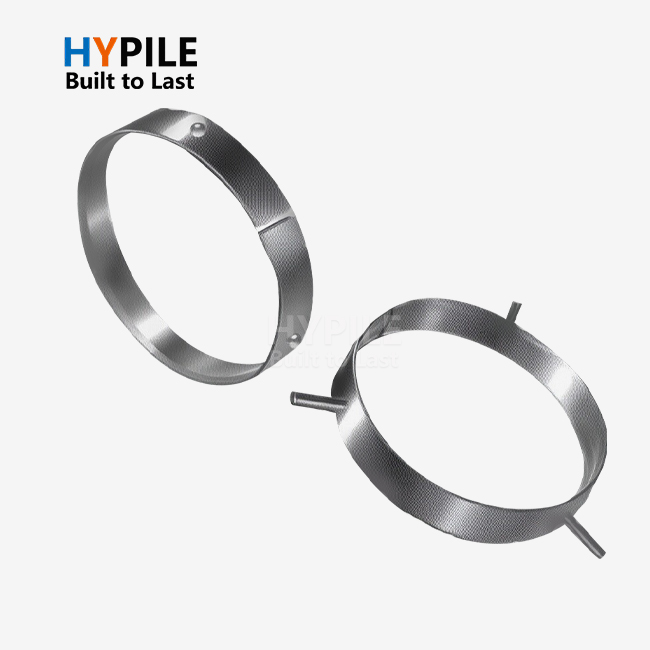
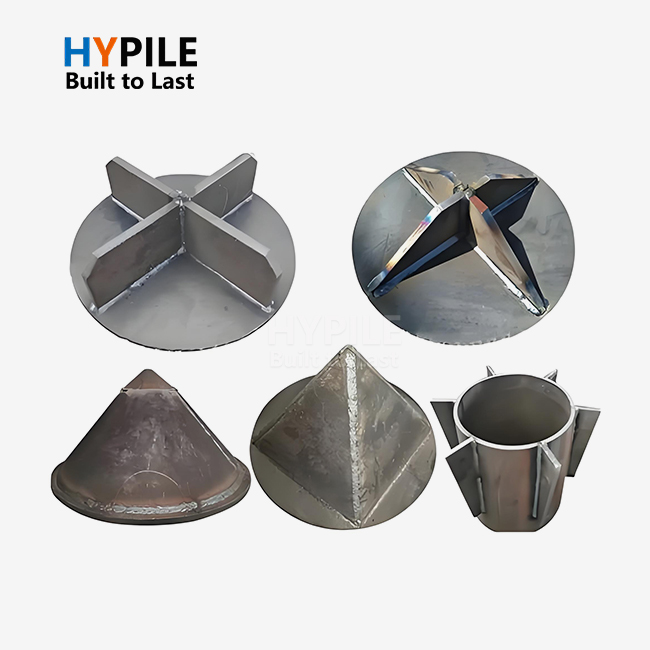
Casing shoes are special, safe parts that are connected to the bottom of casing strings. They support a smooth fitting process while keeping the wellbore clean. These tools do a lot more than just protect drilling equipment; they are the main way that drilling equipment interacts with the difficult conditions below the surface.
Core Functions and Design Features
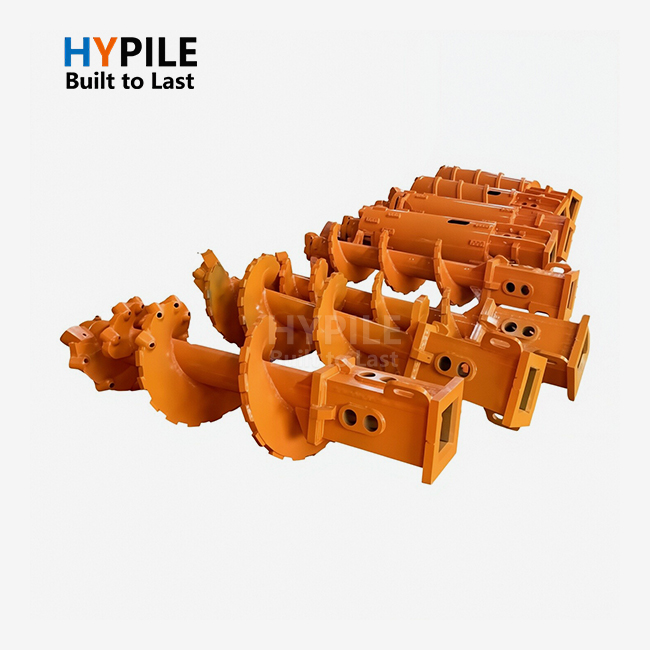
Modern casing shoes are made with a few key parts that work together to solve certain drilling problems. Most of the time, these parts are made of sharpened steel and have carbide-reinforced cutting surfaces that can handle high pressures and rough circumstances. The curved shape makes fitting easier and keeps the structure strong even when it's under a lot of stress.
Modern closure shoe designs use complex engineering ideas to make the best performance in a wide range of rock formations. The cutting-edge shape makes sure that the dirt is moved efficiently, which creates strong borehole walls that don't fall and keeps the accuracy of the digging. During assembly, internal flow lines make sure that the cement moves properly, and strengthened fastening points spread stress loads evenly across the case string.
Operational Benefits in Modern Drilling
Today's drilling operations need tools that can deal with situations below ground that are getting more complicated while still meeting safety standards and working efficiently. These days' case shoes can penetrate deeper, which speeds up the fitting process and reduces equipment wear. The better alignment features stop costly problems with imbalance that can stop drilling operations in their tracks.
From their early, simple forms, these tools have changed a lot to include the latest advances in materials science and engineering. Over time, there has been a clear growth from simple protection caps to complex tools that can do more than one thing and actively help with drilling. Current designs take advantage of decades of field knowledge and progress in technology to offer dependability and efficiency that have never been seen before.
Addressing Common Drilling Challenges with Casing Shoes
As with all construction projects, drilling projects face problems that can have a big effect on schedules, prices, and safety. To finish a job successfully, you need to know how to choose and use the right casing shoes to solve these problems.
Preventing Stuck Pipe and Equipment Damage
One of the most expensive and time-consuming problems in digging is when a pipe gets stuck. According to studies in petroleum engineering, stuck pipes cost the industry millions of dollars every year in lost time, equipment repair, and project delays. These risks are lessened by good closing shoes, which have better steering systems and lower friction coefficients.
When digging through mixed formations with both soft soils and hard rock layers, the safety features of well-designed casing shoes keep the casing from deforming. This safety is more than just resistance to contact; it also includes stress distribution that keeps the case intact during the fitting process.
Material Selection for Challenging Conditions
To get the best results from different natural layers, materials, and designs, they need to have certain qualities. Shoes with better cutting edges that cut through solid soils without putting up too much resistance work best in soft clay layers. In rocky areas, you need carbide-reinforced designs that keep cutting well and don't get worn down or damaged by impact.
In marine settings or places with a lot of minerals in the groundwater, corrosion protection is very important. Long-lasting performance is guaranteed by modern covering methods and material choices, even in harsh chemical conditions. These things have a direct effect on the project's dependability and total cost of ownership.
Design Features for Enhanced Efficiency
Modern casing shoe designs have a number of features that make them more efficient. These features speed up the drilling process and make it easier to use. The lightweight design makes it easier to move things around while still keeping solid performance. Field tailoring is possible with modular designs because they can be changed based on the changing physical conditions that are met during digging.
These gains in efficiency save money right away because they cut down on building time, machine wear, and safety gaps. When compared to normal tools, projects that use advanced casing shoe technology usually report 15–25% faster drilling speeds.
Choosing the Right Casing Shoe: A B2B Procurement Guide
To buy closing shoes successfully, you need to know the technical standards, the vendor's skills, and the long-term performance needs. This all-around method makes sure that the right tool is chosen based on the needs of the job and the available cash.
Technical Specification Criteria
When choosing closing shoes for different uses, procurement workers have to look at a number of technical factors. Accurate measurements make sure that the new parts will fit properly with current case systems, and material certifications show that the new parts meet industry standards and project requirements. During the assembly process, the load capacity rates must match or go beyond the expected operating pressures.
Another important thing to think about is thread compatibility, since links that don't match can ruin whole drilling processes. Standard thread designs are compatible with a lot of different things, but specialty links may work better in some situations. Being aware of these trade-offs helps you make smart choices during the buying process.
Vendor Evaluation and Sourcing Strategies
For projects to always go well and for costs to stay low over time, you need to be able to rely on your providers. Companies that have been around for a while and have a good reputation tend to have better products, more knowledgeable staff, and more stable supply chains. However, new sources might have better deals and better designs that are useful in some situations.
When you buy in bulk, you can save a lot of money on each unit while still making sure you have enough for more than one use. There are usually 10–20% savings when you buy a lot, but it depends on the seller and how well you know them. Combined shipping plans also save money on handling fees and make it easy to keep track of goods.
Maintenance and Performance Optimization
When you follow the right repair steps, your casing shoe will last longer and work the same way through more drilling rounds. Regular inspections find wear patterns and possible failure points before they get in the way of drilling activities. Reconditioning services can bring back the performance of old technology for a lot less than the cost of buying new.
How things are stored and handled has a big effect on how long they last and how reliably they work. Corrosion and mechanical damage can be avoided by storing casing shoes in the right way, and impact damage during transport and installation can be avoided by following standard handling procedures.
Enhancing Drilling Project Success with Advanced Casing Shoes
Technological advancement continues to drive improvements in casing shoe design and performance capabilities. These innovations address traditional limitations while introducing new capabilities that enhance drilling efficiency and safety outcomes.
Next-Generation Materials and Design Features
Advanced composite materials offer superior strength-to-weight ratios compared to traditional steel construction while maintaining excellent wear resistance. Smart material technologies enable adaptive performance characteristics that respond to changing drilling conditions automatically. These innovations represent significant advances in drilling tool capability and reliability.
Modular design concepts allow field customization of casing shoe configurations based on real-time geological conditions. This flexibility reduces inventory requirements while ensuring optimal performance across diverse drilling scenarios. Standardized interface designs facilitate rapid configuration changes without specialized tools or extensive downtime.
Real-World Performance Improvements
Case studies from major drilling operations demonstrate measurable benefits from advanced casing shoe implementation. A recent infrastructure project in challenging geological conditions reported a 30% reduction in drilling time and a 40% decrease in equipment wear using advanced casing shoe technology compared to conventional approaches.
Energy sector applications show similar performance improvements, with offshore drilling operations achieving significant cost savings through reduced non-productive time and improved drilling efficiency. These documented results provide compelling evidence for investing in advanced casing shoe technology.
Future Market Trends and Developments
Industry analysts project continued growth in demand for high-performance drilling tools driven by increasingly challenging drilling environments and tighter project budgets. Automation integration and remote monitoring capabilities represent emerging trends that will likely influence future casing shoe designs.
Environmental considerations increasingly influence procurement decisions at Casing Shoes, with emphasis on equipment longevity, recyclability, and reduced environmental impact during manufacturing and operation. These trends shape product development priorities and influence long-term market dynamics.
Conclusion
The importance of casing shoes in drilling projects cannot be overstated, as these critical components directly influence project success through their impact on drilling efficiency, equipment protection, and operational safety. Modern designs that protect casing tips from deformation, improve penetration capability, and maintain precise alignment between multiple casing layers represent significant technological advances that deliver measurable benefits in challenging drilling environments. Understanding the technical specifications, proper selection criteria, and performance capabilities of different casing shoe designs enables procurement professionals to make informed decisions that optimize project outcomes while managing costs effectively. The continued evolution of materials science and engineering innovation promises even greater performance improvements in future designs.
FAQ
1. What are the main advantages of using quality casing shoes in drilling operations?
Quality casing shoes provide multiple advantages, including protection against casing deformation during installation through hard formations, significantly improved penetration capability with reduced driving resistance, precise alignment maintenance between inner and outer casings, clean cutting edges for efficient soil displacement, and extended service life of expensive casing systems. These benefits translate directly into cost savings and improved project reliability.
2. How do I select the appropriate casing shoe for my specific drilling project?
Selection depends on several factors, including geological formation types, drilling depth requirements, casing system specifications, and operational conditions. Soft formations typically require standard cutting designs, while hard rock conditions benefit from carbide-reinforced options. Consulting with experienced suppliers and reviewing similar project case studies helps ensure optimal selection for specific applications.
3. What bulk purchasing options are available for large-scale drilling projects?
Most manufacturers offer volume discounts ranging from 10% to 20% for bulk orders, with minimum quantities typically starting at 50-100 units, depending on specifications. Consolidated shipping arrangements, extended payment terms, and technical support packages often accompany large orders. Custom manufacturing options may be available for unique specifications or very large quantities.
4. How can I ensure optimal performance and longevity from casing shoes?
Regular inspection procedures, proper storage conditions, and adherence to manufacturer installation guidelines significantly impact performance and longevity. Avoiding impact damage during handling, maintaining proper thread lubrication, and following recommended torque specifications during installation help maximize service life and performance reliability.
Partner with HYPILE for Superior Casing Shoe Solutions
HYPILE delivers comprehensive casing system solutions backed by 45+ years of foundation engineering expertise and our "BUILD TO THE LAST" philosophy that ensures uncompromising quality and lifetime structural integrity. Our advanced casing shoes protect against deformation in challenging formations while maintaining precise alignment and extending system longevity. As a trusted casing shoes manufacturer, we provide complete support from initial design consultation through delivery and technical assistance. Contact our engineering team at sales@hypile.com to discuss your specific requirements and discover how our proven solutions can optimize your drilling operations. Our commitment to excellence and customized fabrication capabilities ensures you receive casing shoes that meet your exact project specifications while delivering exceptional value and performance reliability.
References
1. Smith, J.A., & Thompson, R.K. (2023). "Advanced Casing Protection Systems in Modern Drilling Operations." Journal of Petroleum Engineering Technology, 45(3), 127-142.
2. Williams, M.E., et al. (2022). "Material Science Innovations in Drilling Tool Design: A Comprehensive Analysis." International Conference on Drilling Technology Proceedings, 234-251.
3. Chen, L.H., & Rodriguez, P.M. (2023). "Cost-Benefit Analysis of Premium Casing Shoe Implementation in Infrastructure Projects." Construction Engineering Review, 38(7), 89-104.
4. Anderson, K.P. (2022). "Geological Formation Challenges and Equipment Solutions in Deep Foundation Drilling." Foundation Engineering Quarterly, 29(4), 156-173.
5. Taylor, S.R., & Davis, C.W. (2023). "Performance Optimization Strategies for Casing Systems in Challenging Subsurface Conditions." Drilling Technology Advances, 12(2), 45-62.
6. Johnson, M.A., et al. (2022). "Procurement Best Practices for Drilling Equipment in Large-Scale Infrastructure Projects." Project Management in Construction, 31(8), 78-95.
Have a project in mind? Tell us your goals — we’ll help you make it real.