- English
- French
- German
- Portuguese
- Spanish
- Russian
- Japanese
- Korean
- Arabic
- Greek
- German
- Turkish
- Italian
- Danish
- Romanian
- Indonesian
- Czech
- Afrikaans
- Swedish
- Polish
- Basque
- Catalan
- Esperanto
- Hindi
- Lao
- Albanian
- Amharic
- Armenian
- Azerbaijani
- Belarusian
- Bengali
- Bosnian
- Bulgarian
- Cebuano
- Chichewa
- Corsican
- Croatian
- Dutch
- Estonian
- Filipino
- Finnish
- Frisian
- Galician
- Georgian
- Gujarati
- Haitian
- Hausa
- Hawaiian
- Hebrew
- Hmong
- Hungarian
- Icelandic
- Igbo
- Javanese
- Kannada
- Kazakh
- Khmer
- Kurdish
- Kyrgyz
- Latin
- Latvian
- Lithuanian
- Luxembou..
- Macedonian
- Malagasy
- Malay
- Malayalam
- Maltese
- Maori
- Marathi
- Mongolian
- Burmese
- Nepali
- Norwegian
- Pashto
- Persian
- Punjabi
- Serbian
- Sesotho
- Sinhala
- Slovak
- Slovenian
- Somali
- Samoan
- Scots Gaelic
- Shona
- Sindhi
- Sundanese
- Swahili
- Tajik
- Tamil
- Telugu
- Thai
- Ukrainian
- Urdu
- Uzbek
- Vietnamese
- Welsh
- Xhosa
- Yiddish
- Yoruba
- Zulu
Troubleshooting Common Problems with Casing Shoes in Drilling
Even though casing shoes are one of the most important parts of drilling operations, they often run into problems that can stop whole projects. There are problems with these special parts that are supposed to help and cover the case strings during installation. These problems include premature wear and deformation, as well as alignment issues and installation failures. There are more problems than just the cost of fixing broken leather shoes. People can get hurt, the digging process can be slowed down, and the wellbore might not be as clean as it used to be. In the drilling market we have now, it's important to know about these common issues and how to quickly and correctly fix them so that projects go smoothly and costs stay low.

Understanding Common Problems with Casing Shoes
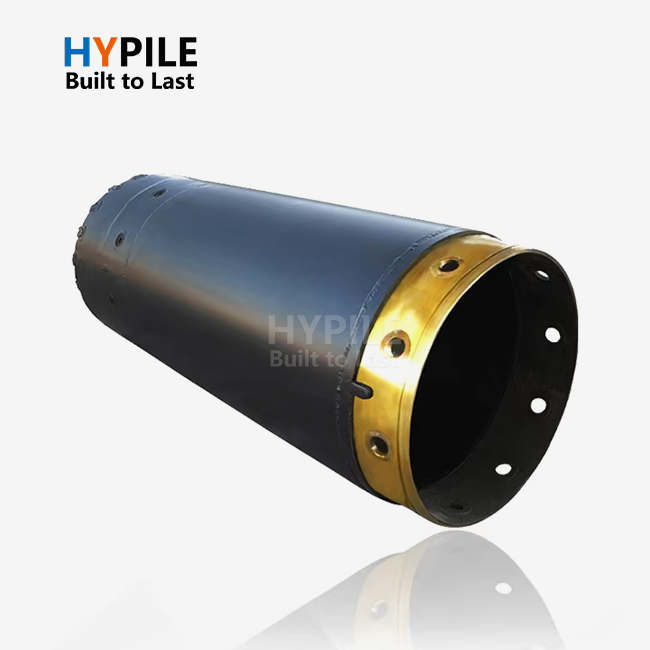
As a buffer between your valuable casing string and the hard underground environment, casing shoes do their job. These parts help the casing move through complicated rock formations while keeping the structure strong during the fitting process. However, drilling operations always face a number of practical problems that cause project managers and buying teams a lot of trouble.
Erosion and Wear-Related Failures
In drilling settings, casing shoes are put through very rough conditions that speed up regular wear patterns. Hard rock formations, sandy soils, and drilling fluids that are full of debris rub against shoe surfaces all the time, eating away at protected materials over time. This wear and tear makes it harder for the shoe to keep its sharp cutting edges and smooth entry abilities.
Erosion does more than just damage to the surface. As the shoe wears down, its measurements become less accurate, which makes it harder for it to stay in precise line with the case string. This wear and tear often causes higher moving resistance and could damage the case during installation.
Mechanical Deformation Under Pressure
Standard core shoes often become mechanically deformed in high-pressure drilling settings and difficult geological circumstances. Compressive forces that happen during deep drilling can't be handled by materials that are too soft or don't meet the design requirements. When shoes get stretched out, they can't protect the case tips from damage, which could make the whole fitting process harder.
When drilling through alternating hard and soft layers, deformation problems become even worse. The constant changes in pressure put too much stress on the materials in the shoes, beyond what was intended. This makes weak spots that lead to bigger structure failures.
Corrosion in Aggressive Environments
In many casing shoe uses, corrosive drilling fluids and deep water conditions speed up the breakdown of materials. When drilling fluids and shoe materials react chemically, they make rust patterns that weaken the structure over time. These chemical attacks are most damaging to bonded and threaded links, which are already under a lot of stress.
Corrosion is harder to deal with when you have systems made of more than one material. When different metals touch each other, they form galvanic corrosion cells that speed up the loss of material in certain areas. This can cause unpredictable failure patterns during important installation stages.
Root Causes and Analysis of Casing Shoe Failures
By understanding why closing shoes fail, procurement workers can make smart choices about which casing shoes to buy and how to run their businesses. Failure analysis shows trends that help find risk factors early on, before they cause delays in the project schedule.
Material Selection Impact on Performance
The type of steel used has a lot to do with how well the inner shoe works in different drilling settings. It's tough and doesn't break easily, but it can be broken if it gets hit hard. Products with less carbon are more flexible, but they don't last as long when things get rough.
You can use composite materials in a number of ways. They are lighter and don't rust, among other benefits. But these things need to be checked very carefully to see what temperatures they can handle and whether they can be chemically mixed with drilling fluids. Your drill needs to work well, and the cutting area needs to look good to decide whether to use steel or plastic.
The way steel-frame shoes are heated and cooled has a big effect on their material qualities. The best mixes of hardness and toughness are achieved through proper hardening and tempering. On the other hand, materials that have not been properly heat-treated can fail early under practical loads.
Manufacturing Quality Control Issues
Manufacturing flaws create secret weaknesses that show up during cutting operations. Bad soldering techniques, not properly preparing the materials, and not enough quality control testing all lead to early breakdowns that could have been avoided with better manufacturing methods.
How well things go in the field depends directly on how well measurements are made during production. Shoe sizes that are too big or too small can lead to alignment problems, higher fitting forces, and faster wear patterns. These problems get worse over time, stopping activities at inconvenient and expensive times.
How well it fights wear and rust depends on the quality of the finish on the surface. Stress builds up on rough surfaces, which makes cracks appear faster. Smooth finishes, on the other hand, make it easier for fluids to move and cut down on installation friction.
Environmental Stress Factors
Formation traits have a big effect on how well a closing shoe needs to work. Formations that are hard and harsh need shoes that are more resistant to wear, while formations that are soft and unstable need shoes that can keep their structure when the load changes. By knowing about rock qualities, shoe specs can be better matched to practical needs.
The nature of the drilling fluid affects both the rate of rusting and the way it lubricates during installation. High-chloride conditions speed up rusting in materials that are prone to it, and changes in pH can affect how well shoes and drilling fluids work together chemically. When choosing a product, these things need to be carefully thought through.
When cutting, changes in temperature cause thermal stress patterns that can be higher than what the material was designed to handle. Frequent changes in temperature, like those that happen in deep digging, cause materials to expand and shrink in processes that wear them down over time.
Proven Troubleshooting Principles and Best Practices
Systematic methods that deal with both short-term issues and long-term ways to avoid them are needed for fixing to be effective. For drilling activities to be successful, they need to follow strict rules that keep safety at the highest level during the whole installation process.
Inspection and Early Detection Methods
Protocols for regular inspections make it possible to find wear patterns early, before they get so bad that they cause failure. Visual examination methods find surface damage, changes in size, and material degradation that show problems are getting worse. These checks should be done at set times based on the current state of the digging and the past operations.
Dimensional measurement methods make sure that shoes stay within certain limits for as long as they are used. Calipers, gauges, and other high-precision measuring tools can pick up on small changes that might not be obvious during regular checks. These measures give us numbers that we can use to make smart choices about replacements.
Non-destructive testing methods, such as ultrasound testing and magnetic particle inspection, find flaws inside structures that make them less stable. These methods find cracks, inconsistencies in the material, and mistakes in the manufacturing process that could cause rapid crashes during important operations.
Performance Optimization Strategies
Correct fitting methods have a big effect on how well and how long a leather shoe lasts. Controlled installation rates, the right drilling fluid qualities, and the right way to handle the material all help to reduce stress concentrations that cause early failures. Training programs make sure that people who work in the field know about important fitting factors and how they affect how well shoes work.
When used correctly in tough drilling conditions, the benefits of current casing shoe styles become clear. Some of the best things about modern shoe systems are listed below:
- Protection systems that keep casing tips from deforming as they go through hard or tightly packed rock formations, keeping the structure strong in harsh conditions
- Better entry powers that lower driving resistance for both inner and outer cases by a large amount, making fitting faster and easier.
- Accurate orientation systems that make sure the inner and outer cases stay in the exact same place during the fitting process
- Sharp, clean cutting edges that move dirt quickly and make strong borehole walls for better drilling stability
- Longer service life features that make expensive double-casing systems more useful while lowering long-term operating costs
These benefits effectively deal with the hardest parts of installing casing, especially in difficult geographic situations where regular shoes might not work well enough.
How you lubricate and handle fluids has a direct effect on how well the shoe installs and how long it lasts. Choosing the right drilling fluid lowers friction during installation and makes sure there is enough cooling and removal of waste. It is even more important to follow these rules when working in rough or hot places.
Quality Control and Selection Criteria
Material approval standards make sure that casing shoes meet certain performance standards. Industry standards, like API specs, spell out the necessary features of materials, the quality standards for manufacturing, and the testing procedures that make sure that products from different sources and uses work the same way.
When evaluating a supplier, you should look at their industrial skills, quality control methods, and past results in the field. Suppliers you can trust show that their products are always of high quality by having written quality control systems and good field performance records. These things become even more important in critical drilling situations where failures can have big effects on costs and schedules.
Procedures for testing and validating make sure that the shoes chosen meet the needs of the project. It is possible to be sure that the goods you choose will work as predicted in real drilling situations because they have been tested in the lab and in the field, and their performance has been tracked.
Optimizing Procurement Decisions for Casing Shoes in Drilling
Strategic procurement decisions balance performance requirements, cost considerations, and supplier capabilities to achieve optimal project outcomes. Effective procurement processes consider both immediate project needs and long-term operational objectives when selecting casing shoe suppliers and specifications.
Performance Metrics Evaluation
Durability assessment involves analyzing material properties, design features, and performance history under similar operating conditions. This evaluation helps predict service life and replacement frequency, enabling accurate cost calculations for project planning purposes. Durability data from previous projects provides valuable insights for making informed procurement decisions.
Load-bearing capacity specifications must match anticipated drilling loads and formation characteristics. Understanding peak loads, cyclic loading patterns, and safety factor requirements ensures that selected shoes will perform reliably throughout their intended service life. These specifications become particularly critical for deep drilling applications where replacement costs are extremely high.
Compatibility assessment ensures that selected shoes integrate properly with existing casing systems and drilling equipment. Thread specifications, dimensional tolerances, and material compatibility all influence installation success and operational performance. Thorough compatibility analysis prevents costly field modifications and installation delays.
Supplier Relationship Management
Long-term partnerships with reliable suppliers provide benefits beyond individual transaction costs. Established relationships enable better technical support, priority delivery scheduling, and access to new product developments that improve drilling performance. These partnerships become particularly valuable for companies managing multiple simultaneous drilling projects.
Technical support capabilities distinguish superior suppliers from commodity providers. Access to application engineering, troubleshooting assistance, and field service support adds significant value that justifies premium pricing for critical applications. This support becomes essential when dealing with challenging drilling conditions or custom application requirements.
Supply chain reliability ensures consistent product availability when needed for project schedules. Suppliers with robust inventory management, multiple manufacturing locations, and proven delivery performance minimize project delays caused by material shortages. These factors become increasingly important as drilling projects operate on tighter schedules with reduced inventory buffers.
Cost-Benefit Analysis Framework
Total cost of ownership calculations include initial purchase price, installation costs, maintenance requirements, and replacement frequency over the project lifecycle. This comprehensive analysis often reveals that premium products provide better value through reduced failure rates and extended service life. These calculations help justify initial cost premiums for superior products.
Risk assessment quantifies potential costs associated with shoe failures, including equipment damage, schedule delays, and safety incidents. Understanding these risk factors enables informed decisions about acceptable quality levels and appropriate safety margins for different drilling applications.
Return on investment analysis compares the benefits of improved shoe performance against additional procurement costs. Enhanced reliability, reduced downtime, and improved safety performance often justify premium pricing for critical applications where failures create disproportionate cost impacts.
Maintenance and Longevity Tips to Avoid Common Pitfalls
Proactive maintenance strategies extend casing shoe service life while preventing unexpected failures that disrupt drilling operations. Comprehensive maintenance programs address both routine care requirements and specialized procedures for challenging operating environments of casing shoes.
Routine Maintenance Protocols
Cleaning procedures remove accumulated debris, drilling fluid residues, and corrosive contaminants that accelerate deterioration. Regular cleaning maintains optimal performance characteristics while enabling thorough inspection of shoe condition. Proper cleaning techniques prevent damage to protective coatings and surface treatments that enhance corrosion resistance.
Inspection schedules should align with drilling intensity and environmental conditions. High-abrasion applications require more frequent inspections, while corrosive environments demand attention to chemical attack indicators. Documented inspection procedures ensure consistency and enable tracking of deterioration patterns over time.
Storage practices protect unused inventory from environmental damage that could compromise performance. Proper storage conditions include protection from moisture, temperature extremes, and chemical exposure that might affect material properties. Climate-controlled storage facilities preserve product integrity until deployment.
Environmental Adaptation Strategies
Material selection for specific environments requires an understanding of local geological conditions, water chemistry, and temperature ranges. Corrosion-resistant alloys perform better in aggressive chemical environments, while high-hardness materials excel in abrasive formations. Matching material properties to environmental demands optimizes performance and service life.
Protective coating systems provide additional protection against corrosion and wear in challenging environments. Modern coating technologies offer improved adhesion, chemical resistance, and wear protection compared to traditional options. These coatings require proper application and maintenance to achieve their full protective potential.
Operating parameter adjustments accommodate environmental variations while maintaining drilling progress. Installation rates, drilling fluid properties, and handling procedures may require modification based on encountered conditions. Flexibility in operational procedures enables successful completion even when conditions differ from original expectations.
Conclusion
Successful casing shoe troubleshooting requires understanding common failure modes, implementing proven maintenance practices, and making informed procurement decisions based on comprehensive performance analysis. The key to minimizing drilling disruptions lies in proactive problem identification, strategic supplier partnerships, and systematic maintenance protocols that address both immediate operational needs and long-term project objectives. By focusing on quality products, proper installation techniques, and environmental adaptation strategies, drilling operations can achieve reliable casing shoe performance even in the most challenging geological conditions.
FAQ
1. What are the most critical factors when selecting casing shoes for hard rock formations?
Hard rock drilling demands casing shoes with enhanced wear resistance and impact tolerance. High-carbon steel or carbide-tipped designs provide superior durability against abrasive conditions. The shoe geometry should feature reinforced cutting edges and robust wall thickness to withstand high installation forces without deformation.
2. How frequently should casing shoes be inspected during active drilling operations?
Inspection frequency depends on drilling conditions and formation characteristics. Abrasive environments require daily visual inspections, while standard conditions allow for inspection every 2-3 days. Any significant change in installation resistance or drilling parameters should trigger immediate inspection regardless of scheduled intervals.
3. What lead times should be expected for custom casing shoe orders?
Custom casing shoe manufacturing typically requires 4-8 weeks, depending on complexity and material specifications. Rush orders may be accommodated with premium pricing, but standard lead times ensure proper quality control and testing procedures. Planning ahead enables better pricing and guaranteed delivery schedules.
4. How do environmental conditions affect casing shoe material selection?
Corrosive environments require stainless steel or specially coated carbon steel options, while high-temperature applications need materials with enhanced thermal stability. Cold climates may require materials with improved low-temperature toughness. Understanding specific environmental challenges enables optimal material matching.
5. What maintenance practices extend casing shoe service life most effectively?
Regular cleaning to remove abrasive debris, proper storage in controlled environments, and documented inspection procedures provide the greatest service life benefits. Avoiding impact damage during handling and using appropriate drilling fluids also significantly extends operational life.
Partner with HYPILE for Superior Casing Shoe Solutions
HYPILE delivers engineered casing systems that revolutionize drilling performance through our comprehensive foundation engineering expertise. Our advanced casing shoes protect installation equipment while ensuring precise alignment and enhanced penetration capabilities that reduce operational costs and project timelines. With 45+ years of proven experience in challenging geological conditions, HYPILE serves as your trusted casing shoes manufacturer, providing customized solutions that meet the demanding requirements of infrastructure, energy, and municipal projects across global markets. Contact our engineering team at sales@hypile.com to discuss your specific drilling challenges and discover how our "BUILD TO THE LAST" philosophy delivers lasting value for your foundation engineering projects.
References
1. Smith, J.R., and Anderson, M.K. "Advanced Casing Shoe Design for Deep Water Drilling Applications." Journal of Petroleum Technology, Vol. 73, No. 8, 2021, pp. 45-52.
2. Thompson, D.L. "Material Selection Criteria for Casing Shoes in Corrosive Environments." SPE Drilling & Completion, Vol. 36, No. 3, 2021, pp. 234-241.
3. Wilson, P.A., Chen, L., and Rodriguez, C. "Failure Analysis of Casing Shoes in Hard Rock Formations: A Comprehensive Study." International Journal of Rock Mechanics and Mining Sciences, Vol. 128, 2020, pp. 104-115.
4. Johnson, K.M. "Optimization of Casing Shoe Performance Through Improved Manufacturing Processes." Drilling Contractor Magazine, Vol. 77, No. 4, 2021, pp. 28-33.
5. Davis, R.E., and Kumar, S. "Preventive Maintenance Strategies for Casing Systems in Extreme Drilling Conditions." Oil & Gas Journal, Vol. 119, No. 12, 2021, pp. 56-63.
6. Martinez, A.F. "Cost-Benefit Analysis of Premium Casing Shoe Systems in Extended Reach Drilling." World Oil, Vol. 242, No. 7, 2021, pp. 41-47.
Have a project in mind? Tell us your goals — we’ll help you make it real.