- English
- French
- German
- Portuguese
- Spanish
- Russian
- Japanese
- Korean
- Arabic
- Greek
- German
- Turkish
- Italian
- Danish
- Romanian
- Indonesian
- Czech
- Afrikaans
- Swedish
- Polish
- Basque
- Catalan
- Esperanto
- Hindi
- Lao
- Albanian
- Amharic
- Armenian
- Azerbaijani
- Belarusian
- Bengali
- Bosnian
- Bulgarian
- Cebuano
- Chichewa
- Corsican
- Croatian
- Dutch
- Estonian
- Filipino
- Finnish
- Frisian
- Galician
- Georgian
- Gujarati
- Haitian
- Hausa
- Hawaiian
- Hebrew
- Hmong
- Hungarian
- Icelandic
- Igbo
- Javanese
- Kannada
- Kazakh
- Khmer
- Kurdish
- Kyrgyz
- Latin
- Latvian
- Lithuanian
- Luxembou..
- Macedonian
- Malagasy
- Malay
- Malayalam
- Maltese
- Maori
- Marathi
- Mongolian
- Burmese
- Nepali
- Norwegian
- Pashto
- Persian
- Punjabi
- Serbian
- Sesotho
- Sinhala
- Slovak
- Slovenian
- Somali
- Samoan
- Scots Gaelic
- Shona
- Sindhi
- Sundanese
- Swahili
- Tajik
- Tamil
- Telugu
- Thai
- Ukrainian
- Urdu
- Uzbek
- Vietnamese
- Welsh
- Xhosa
- Yiddish
- Yoruba
- Zulu
Corrosion Resistant Double Wall Casing: Ensuring Long-Term Wellbore Protection
When digging in difficult geological conditions, and borehole stability is very important, corrosion-resistant double-wall casing is the best way to protect the wellbore for a long time. This high-tech case system uses two layers of building and special materials to make a shield that can't be broken through in tough underground environments. This makes sure that the project will be successful even in the most difficult foundation engineering situations. When used for long periods of time, the dual-wall design keeps the structure strong while providing better defense against harmful agents.
Understanding Corrosion-Resistant Double-Wall Casing
Fundamental Design and Material Specifications
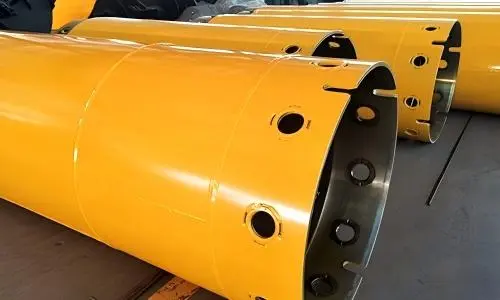
The corrosion-resistant double-wall coating is a high-tech engineering answer that handles the tricky problems of wellbore security in bad natural circumstances. This system is different from standard single-wall options because it has a dual-layer structure. This unique design method also makes the system last longer.
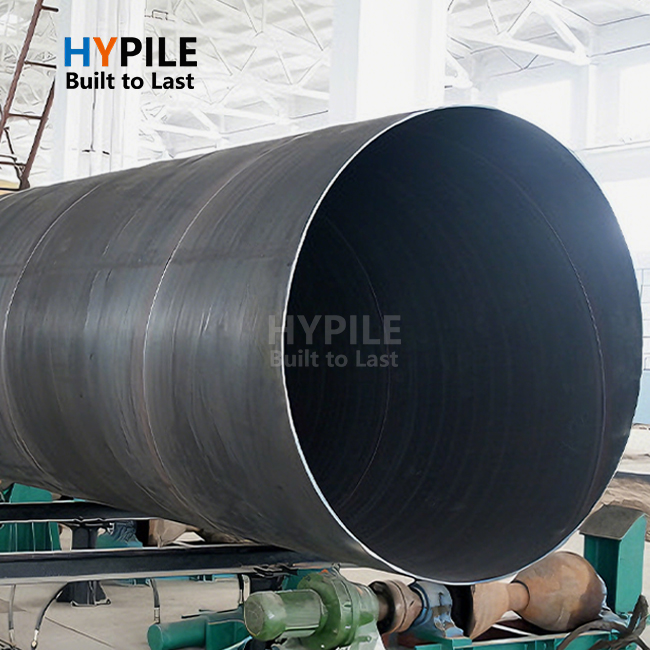
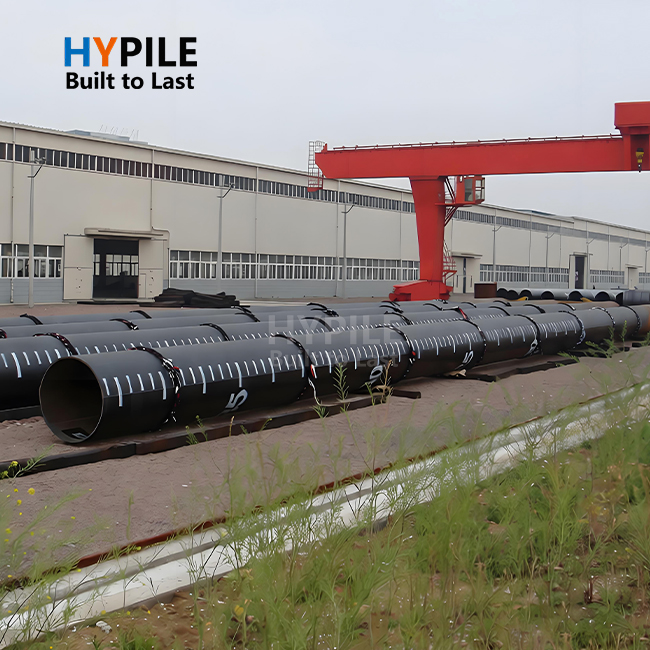
The system for covering is generally made of good steel. For instance, HYPILE's specs call for building with Q235B/Q355B steel or even better. With this choice of materials, the item can be used more than once and still maintain its shape even in rough conditions. It can be made in any size to fit the needs of a project; the width goes from 620 mm to 2500 mm. And this shows that the product can be used in many different types of base-building jobs.
Operational Mechanisms and Protection Features
The two walls work together to make a safe shield that keeps the wellbore from being compromised. The inner tube is the main storage system, and the outer tube adds to the structure's strength and protects the surroundings. The circular room between these layers makes important things possible, like moving drilling fluid and managing pressure.
Geotechnical pressure estimates are used to exactly build wall thickness specs, which make sure that the best level of stiffness and longevity is achieved for each application. As normal parts, the useful single-length runs from 1 m to 6 m, and it can be quickly extended through flanges or welds. This flexible method makes construction quick and easy while keeping the structure of the system intact across a range of project sizes.
Advanced Connection Technology
High-precision fixed connections are what make the case system so reliable. They make sure that the seals stay in place and that the components are centered during the installation process. These links are made to withstand big differences in pressure while staying perfectly aligned. This is very important to stop leak lines that could weaken wellbore protection.
Advantages and Design Considerations of Corrosion-Resistant Double-Wall Casing
Superior Performance Benefits
Implementing double-wall casing systems has many benefits beyond just basic drilling safety. They provide complete solutions that solve many technical problems at the same time. These methods completely stop boreholes from collapsing in bad ground, which is very important for keeping projects on schedule and within budget.
The wall allows "dry" building methods, which ensure that high-quality concrete is placed without being harmed by dirt or groundwater in the area. People who live in cities, where strict standards for building quality apply, find this feature particularly useful. The method also gives exact control over the size and height of the piles, which is necessary for meeting the tight technical standards needed for modern building projects.
Through their strong design, double-wall systems make it possible to handle obstacles and hard rock formations effectively. The stronger structure makes it possible for digging to continue through difficult rock layers that would normally require different building methods. Another big benefit is that it causes less damage to the areas around it. This is especially important in highly populated cities where environmental effects need to be carefully controlled.
Design Optimization Strategies
To successfully install corrosion-resistant double-wall covering, site-specific factors and performance needs must be carefully thought through. Extremes in temperature, salt, and downhole pressure all have an effect on design factors that need to be thought about during the planning process. As part of the design process, well features, installation methods, and long-term performance goals are looked at in order to find the best system setup.
To ensure the best performance in certain geographic conditions, engineering teams have to look at how the width of the casing, the thickness of the wall, and the connection methods work together. The modular design method lets changes be made in the field when unexpected problems arise, giving freedom that is very useful during complicated digging operations.
Comparison and Decision Making: Double Wall vs Single Wall Casing
Performance Metrics Analysis
Knowing the main differences between single-wall and double-wall casing systems helps you make smart choices that fit the needs of the job and your budget. Double-wall systems work best in places that need high sturdiness and long operating lifespans. Single-wall systems, on the other hand, might be enough in less harsh conditions and require less initial investment.
The thermal insulation qualities of these systems are very different. For some uses, double-wall designs are necessary because they provide better temperature stability. Another big difference is that it can guard against corrosion, and its two-layer form makes it twice as resistant to chemical attack. There is a wide range of mechanical strength, with double-wall systems being more resistant to contact forces and loads from the outside.
Cost-Benefit Framework
When figuring out how much a case system costs, you have to look at both its initial costs and its ongoing running costs. Even though double-wall systems usually cost more at first, they usually have a better total cost of ownership because they last longer and need less upkeep. When working in tough conditions where fixing a broken system would cost a lot of money, this economic benefit stands out even more.
When considering covering choices, procurement professionals need to think about things like how quickly the materials can be installed, how readily available the materials are, double-wall casing, and how well the seller can help with support. You can't say enough good things about seller approvals and product proof. They are essential for making sure that quality standards are met and that the product works well throughout the whole project.
Procurement Guide for Corrosion-Resistant Double-Wall Casing
Supplier Evaluation Criteria
Look at the skills, permits, and past work of the maker to find reliable sources for corrosion-resistant double-wall covering. Suppliers are judged by how well they follow business standards. This makes sure that the things meet or go beyond the standards for performance. When you evaluate, you should also think about the method for quality control, the amount of work that can be done, and the skills of the people who can help you.
The members of HYPILE have worked together for more than 45 years to build foundations and piles. Those in charge of buying things should look for people with this kind of proven skill. The "BUILD TO THE LAST" philosophy of the company shows its commitment to quality that doesn't change and long-term structure security, both of which are important for the long-term success of a project.
Strategic Purchasing Considerations
A good buying strategy takes many things into account, like the advantages of buying in bulk, the chance to make changes, and how to organize transportation. It's important to keep track of wait times and find suppliers who can get things to you on time without lowering the quality of their work when you're making complicated building plans.
Warranty coverage and help after the sale are important factors to think about when buying something that goes beyond the initial choice to buy. Suppliers who give full expert support, help with problems, and provide new parts are very helpful for keeping operations running smoothly while the project is being carried out.
Installation Best Practices and Longevity Tips
Preparation and Installation Techniques
Proper installation procedures prove critical for realizing the full protective benefits of corrosion-resistant double-wall casing systems. Pre-installation site assessment involves evaluating geological conditions, groundwater levels, and potential obstacles that could affect Double Wall Casing installation success. Equipment selection and crew training must align with specific double-wall casing requirements and site conditions to ensure optimal installation outcomes.
The installation process begins with precise borehole preparation, ensuring proper diameter and alignment for casing placement. Connection procedures require careful attention to torque specifications and seal integrity verification. Quality control measures throughout installation help identify potential issues before they compromise system performance.
Maintenance and Monitoring Protocols
Routine inspection protocols form the cornerstone of long-term casing system reliability, enabling early detection of wear patterns or potential corrosion issues. Visual inspections, pressure testing, and dimensional verification provide a comprehensive assessment of system condition. Advanced monitoring techniques, including downhole cameras and pressure sensors, offer real-time performance data that supports proactive maintenance decisions.
Troubleshooting procedures must address common post-installation challenges, including seal degradation, connection loosening, and environmental stress effects. Preventive maintenance schedules help extend service life while minimizing unexpected failures that could disrupt project operations.
Conclusion
Corrosion-resistant double-wall casing systems represent the pinnacle of wellbore protection technology, delivering unmatched reliability in challenging geological conditions. The combination of advanced materials, precision engineering, and proven installation techniques creates solutions that withstand the test of time while maintaining operational excellence. Investment in quality casing systems pays dividends through reduced maintenance costs, extended service life, and enhanced project reliability. As infrastructure demands continue to evolve, these advanced protection systems will remain essential for ensuring long-term project success in demanding foundation engineering applications.
FAQ
1. What makes double-wall casing more corrosion-resistant than single-wall alternatives?
Double-wall casing provides enhanced corrosion resistance through its dual-layer design that creates redundant protective barriers. The inner tube handles primary containment, while the outer layer provides additional protection against environmental factors. The annular space between layers can accommodate protective coatings or cathodic protection systems that further enhance corrosion resistance.
2. Can double-wall casing be customized for specific geological conditions?
Yes, double-wall casing systems can be extensively customized based on site-specific requirements. HYPILE offers a diameter range from 620 mm to 2500 mm with custom sizes available upon project requirements. Wall thickness specifications are designed based on geotechnical pressure analysis, and connection methods can be adapted to suit specific installation conditions.
3. What certifications should procurement managers look for when sourcing double-wall casing?
Key certifications include material compliance standards for Q235B/Q355B or higher-grade steel, manufacturing quality certifications, and performance testing documentation. Suppliers should provide documentation of pressure testing, dimensional accuracy verification, and corrosion resistance testing results to ensure product reliability and performance standards.
Partner with HYPILE for Superior Double Wall Casing Solutions
HYPILE stands ready to deliver premium corrosion-resistant double-wall casing systems engineered for your most demanding foundation projects. Our 45+ years of integrated piling and foundation engineering expertise ensure uncompromising quality and lifetime structural integrity. Contact our technical specialists at sales@hypile.com to discuss your specific requirements and receive detailed specifications for our comprehensive range of casing solutions. As a leading double-wall casing manufacturer, we provide complete turnkey solutions from material supply through installation support, backed by our "BUILD TO THE LAST" commitment to excellence. Transform your project's foundation performance with proven casing technology designed to withstand extreme conditions and deliver lasting value.
References
1. American Society for Testing and Materials. "Standard Specification for Steel Casing, Tubing, and Line Pipe for Wells." ASTM International, 2023.
2. International Association of Foundation Drilling. "Guidelines for Corrosion Protection in Deep Foundation Systems." IAFD Technical Manual, 2022.
3. Johnson, R.K. and Martinez, S.L. "Advances in Double Wall Casing Technology for Challenging Geological Conditions." Journal of Foundation Engineering, Vol. 45, No. 3, 2023.
4. National Association of Corrosion Engineers. "Corrosion Control in Subsurface Construction Applications." NACE Technical Publication, 2022.
5. Smith, T.A., Chen, W., and Brown, M.J. "Long-term Performance Analysis of Dual-Wall Casing Systems in Aggressive Environments." International Conference on Foundation Engineering Proceedings, 2023.
6. World Steel Association. "High-Grade Steel Applications in Foundation Engineering: Performance and Durability Standards." WSA Technical Report, 2022.
Have a project in mind? Tell us your goals — we’ll help you make it real.