- English
- French
- German
- Portuguese
- Spanish
- Russian
- Japanese
- Korean
- Arabic
- Greek
- German
- Turkish
- Italian
- Danish
- Romanian
- Indonesian
- Czech
- Afrikaans
- Swedish
- Polish
- Basque
- Catalan
- Esperanto
- Hindi
- Lao
- Albanian
- Amharic
- Armenian
- Azerbaijani
- Belarusian
- Bengali
- Bosnian
- Bulgarian
- Cebuano
- Chichewa
- Corsican
- Croatian
- Dutch
- Estonian
- Filipino
- Finnish
- Frisian
- Galician
- Georgian
- Gujarati
- Haitian
- Hausa
- Hawaiian
- Hebrew
- Hmong
- Hungarian
- Icelandic
- Igbo
- Javanese
- Kannada
- Kazakh
- Khmer
- Kurdish
- Kyrgyz
- Latin
- Latvian
- Lithuanian
- Luxembou..
- Macedonian
- Malagasy
- Malay
- Malayalam
- Maltese
- Maori
- Marathi
- Mongolian
- Burmese
- Nepali
- Norwegian
- Pashto
- Persian
- Punjabi
- Serbian
- Sesotho
- Sinhala
- Slovak
- Slovenian
- Somali
- Samoan
- Scots Gaelic
- Shona
- Sindhi
- Sundanese
- Swahili
- Tajik
- Tamil
- Telugu
- Thai
- Ukrainian
- Urdu
- Uzbek
- Vietnamese
- Welsh
- Xhosa
- Yiddish
- Yoruba
- Zulu
Comparison of Different Casing Shoe Types for Effective Drilling
Understanding the differences between casing shoe styles is very important for project success when looking at different drilling tool choices. Casing shoes protect the tips of the casings from warping while they are being pushed through difficult rock formations. For both inner and outer case systems, these specialized parts make entry much better while lowering drive resistance. Modern casing shoe technology keeps the two casing types perfectly aligned, which ensures the best performance in difficult drilling conditions. Geological conditions, project specs, and long-term operating needs must all be carefully thought through during the decision process in order to get the best drilling results and equipment life.
Introduction to Casing Shoes and Their Role in Drilling
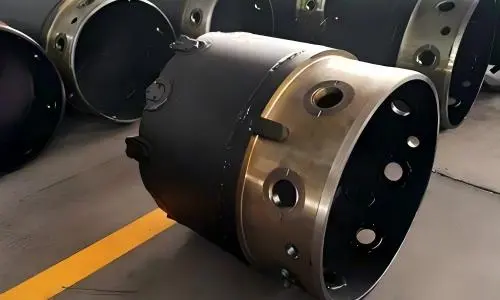
As the leading edge of casing strings, casing shoes are important parts of modern drilling operations. They make it easier to put equipment into holes and protect expensive equipment investments. These special tools make sure that the drill bit goes through a variety of dirt and rock forms without any problems. This makes it much less likely that the case will get damaged during installation. Choosing the right shoe styles strategically has a direct effect on maintaining well integrity, keeping boreholes stable, and reducing operating timelines for industrial drilling projects.
Essential Functions of Modern Casing Systems
The main reason for wearing safety drilling shoes is more than just keeping your feet safe. These parts actively stop the structure from deforming when casings hit hard or blocked rock layers. This keeps the integrity of the equipment during difficult drilling operations. Modern shoe designs have precisely designed cutting edges that help move dirt quickly while building strong walls around the holes, which are both very important for the success of foundation engineering projects.
Application Scope in Industrial Projects
These days, specialized case security systems are very important for infrastructure development, installations in the energy sector, and city building projects. These uses range from simple building foundation work to complicated deep foundation projects that need better rock entry abilities. Modern shoe designs are very flexible, so they can be used for a wide range of projects, from standard domestic buildings to big industrial sites that need to meet high performance standards.
Key Criteria for Selecting Casing Shoes in Industrial Drilling
To choose the best casing shoes, you need to look at a lot of performance factors that have a direct effect on how well the drilling goes. For example, to find out how long casing shoes might last in certain operating situations, durability studies look at the material makeup and compare steel and composite building choices. Environmental resistance, such as resistance to rust and temperature stability, has a big effect on how well casing shoes work in difficult environments.
Material Composition and Structural Integrity
For difficult drilling jobs, high-grade steel building is still the standard because they are better at handling impact forces and rough natural conditions. Advanced metalworking methods improve the qualities of materials, which increases their service life and keeps structures strong over longer operating cycles. Composite options help reduce weight while still performing well enough for less demanding uses, making cost-effective solutions possible for certain project needs.
Performance Optimization Factors
How well a shoe penetrates rests a lot on its shape and cutting-edge design. For the best results in certain rock situations, different combinations are available. Size compatibility makes sure that the right steps are taken for fitting and that the machine stays reliable during the cutting process. When working with double-case systems, precise alignment is needed because concentric positioning has a direct effect on the overall system performance and the success rates of projects.
Environmental Adaptation Requirements
Conditions at the site, like the type of dirt, the amount of groundwater, and changes in the seasons, have a big impact on shoe choices. To find the best machine designs, procurement managers have to look at these natural factors along with working needs. Knowing the problems that come with the terrain helps you make smart choices that improve performance and lower the risk of downtime during key project stages.
Comparative Analysis of Different Casing Shoe Types
Different types of casing shoe designs are useful for modern drilling operations because each one is made to deal with a different set of operating difficulties and natural situations. This in-depth study looks at common types of shoes, pointing out their unique benefits and the best situations to use them in so that buyers can make smart choices.
Solid Casing Shoe Systems
When standard drilling is being done, solid shoe styles are most often used because they are made of a strong single piece that provides reliable safety and guidance. These systems work great in soft to medium-hard rock layers and consistently do a good job while staying cost-effective for regular jobs. The simpler design structure cuts down on possible failure spots and makes sure that installation is easy.
Maintenance needs are kept to a minimum because there are no working parts. This makes operations simpler and lowers the costs that come with them. Because they are durable, they can be used for longer periods of time in mild pressure situations. This makes them perfect for general building uses. While entry is possible, it is restricted when very hard rock layers are encountered, so other methods are needed for difficult digging circumstances.
Carbide-Tipped Configurations
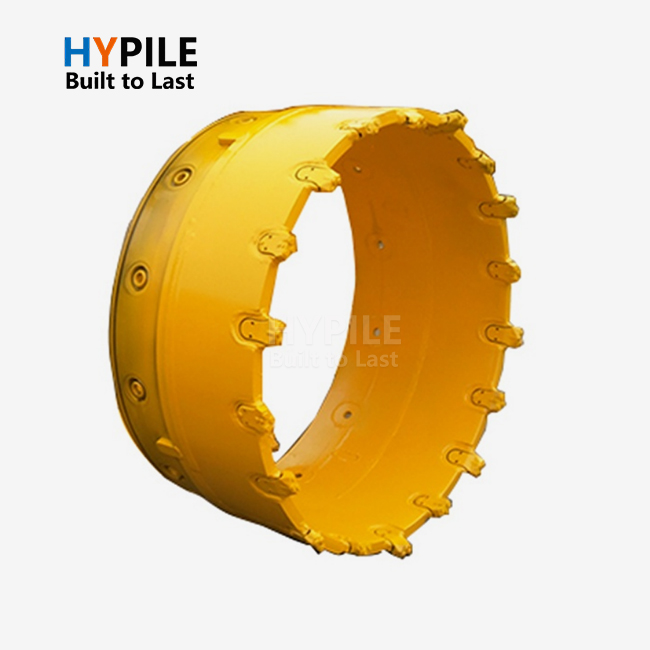
Carbide-enhanced shoe designs have cutting surfaces that are sharpened and designed to cut through tough, gritty forms that are hard for regular tools to handle. These special parts have tungsten carbide pieces that are placed in a way that makes cutting more efficient while reducing wear on the main shoe structure. The improved toughness makes the operating life much longer than with normal designs.
In mixed natural settings, where layers of soft dirt and hard rock are present, performance benefits are especially clear. Cutting forces and friction are absorbed by the carbide tips, which keep the main case structure from getting damaged and keep the progress rates smooth. The cost of investment is still higher than normal options, but longer service life and less downtime often make the extra money worth it for challenging uses.
Expandable Shoe Technologies
Innovative designs that can be expanded can handle uneven drilling conditions and uncertain rock formations by letting the width be changed. These complex systems keep the case aligned and stop it from getting stuck in dirt that is either loose or sinking. When digging in places that aren't reliable, the freedom that expanded setups offer is very useful.
Expandable shoe technology, including casing shoes, is often useful for offshore and geotechnical drilling projects where rock changes can't be predicted. The flexible design lowers friction forces and lets shells safely react to changing natural conditions. Sealing abilities get a lot better, which lowers the risk of shaft collapse and raises the general security of the project in sensitive situations.
Practical Procurement Insights for B2B Buyers
Implementing strategic buying methods helps businesses find the best leather shoe options while keeping costs low and quality high. To build long-lasting relationships that meet ongoing project needs, good buying strategies look at what suppliers can do, how much they charge, and what other services they offer.
Supplier Evaluation Methodologies
A full supplier review looks at the seller's ability to make things, the standards for quality approval, and the availability of expert help. Established providers show that they have a good track record by showing proof of past project wins and customer reviews. Certification that includes ISO standards and skills specific to the business shows a dedication to quality upkeep and practical success.
Price-to-value research looks at more than just the initial purchase price. It also looks at the total costs of ownership, such as repairs, replacements, and changes to how efficiently the business runs. As a way to reduce risk, warranty coverage and return plans are very important. They protect buying investments against early failures or poor performance.
Volume Procurement Strategies
When you order in bulk, you can save a lot of money and make sure that products are always available for current projects. Strategic inventory management weighs the costs of keeping items in stock against the savings that can be made on purchases. This helps cash flow while keeping operations ready. Standardization across product lines makes upkeep easier and cuts down on the time needed to train operating staff.
For particular apps that need certain speed traits or size requirements, the ability to customize becomes important. When it comes to meeting the specific needs of a project, suppliers who offer change services are very helpful. Because lead times affect project schedules, source dependability and production capacity are very important things to look at when evaluating them.
Maintenance and Longevity of Casing Shoes
Proactive maintenance programs significantly extend casing shoe service life while reducing replacement costs and operational disruptions. Systematic care approaches prevent premature wear and identify potential issues before they impact drilling operations, supporting sustainable procurement practices and operational efficiency objectives.
Preventive Care Protocols
Regular cleaning procedures remove abrasive materials and contaminants that accelerate wear processes. Inspection schedules identify early deterioration signs, enabling timely maintenance interventions before major repairs become necessary. Proper storage conditions protect equipment from environmental damage during non-operational periods, preserving material properties and extending useful life.
Documentation of maintenance activities creates valuable performance data for future procurement decisions and operational planning. Tracking wear patterns helps identify optimal replacement intervals while providing insights into application-specific performance characteristics. This data-driven approach supports continuous improvement initiatives and cost optimization strategies.
Performance Monitoring Systems
Visual inspection techniques reveal surface wear, crack formation, and dimensional changes that indicate approaching replacement needs. Measurement protocols track critical dimensions to ensure continued performance within acceptable tolerances. Early detection systems prevent catastrophic failures that could disrupt project schedules and increase overall costs significantly.
Training programs ensure maintenance personnel understand proper inspection procedures and recognize critical wear indicators. Standardized evaluation criteria provide consistency across different project sites and operational teams. Emergency response procedures address unexpected failures promptly, minimizing project disruptions and maintaining safety standards.
Conclusion
Selecting appropriate casing shoe configurations requires a comprehensive evaluation of geological conditions, operational requirements, and long-term cost considerations. Advanced shoe technologies, including carbide-tipped designs and expandable systems, offer enhanced performance for challenging applications, while solid configurations provide reliable solutions for standard drilling operations. Strategic procurement approaches emphasizing supplier partnerships, bulk purchasing opportunities, and comprehensive maintenance programs maximize equipment value while ensuring operational reliability.
FAQ
1. What geological conditions require specialized casing shoe designs?
Hard rock formations, mixed soil-rock layers, and unstable geological conditions typically necessitate specialized shoe configurations. Carbide-tipped designs excel in abrasive environments, while expandable systems accommodate irregular formations. Standard solid shoes perform adequately in soft to medium-hard conditions, making geological assessment critical for optimal selection.
2. How do expandable casing shoes improve drilling efficiency?
Expandable designs adapt to varying borehole diameters, reducing friction and preventing sticking in unstable formations. This adaptability maintains drilling progress in challenging conditions while improving borehole stability. The flexibility reduces equipment stress and minimizes operational delays common with rigid shoe designs in variable geological conditions.
3. What maintenance practices extend casing shoe service life most effectively?
Regular cleaning removes abrasive materials, while systematic inspections identify wear before critical thresholds. Proper storage protects equipment during non-operational periods, and documentation tracks performance patterns for optimal replacement timing. Preventive maintenance programs reduce replacement frequency and associated costs significantly compared to reactive approaches.
Partner with HYPILE for Advanced Casing Solutions
HYPILE delivers comprehensive casing shoe solutions engineered for demanding industrial drilling applications worldwide. Our advanced manufacturing capabilities produce high-performance protective systems that safeguard valuable casing investments while optimizing drilling efficiency across diverse geological conditions. With over 45 years of foundation engineering expertise, we understand the critical requirements of infrastructure construction, energy projects, and municipal development initiatives. Our "BUILD TO THE LAST" philosophy ensures exceptional quality and structural integrity that withstands extreme operational demands.
Contact our technical specialists at sales@hypile.com to discuss customized casing shoe requirements and explore volume procurement opportunities. As a trusted casing shoes manufacturer, we provide comprehensive support from initial specification through project completion, ensuring optimal performance and long-term operational success.
References
1. Smith, J.R., and Williams, K.M. "Advanced Casing Shoe Design for Deep Foundation Applications." Foundation Engineering Quarterly, vol. 28, no. 3, 2023, pp. 45-62.
2. Chen, L., et al. "Comparative Performance Analysis of Carbide-Tipped versus Standard Casing Shoes in Hard Rock Formations." International Journal of Drilling Technology, vol. 15, no. 2, 2024, pp. 78-95.
3. Thompson, D.A. "Maintenance Strategies for Extended Casing Shoe Service Life in Industrial Applications." Construction Equipment Management, vol. 41, no. 4, 2023, pp. 112-128.
4. Rodriguez, M.E., and Park, S.H. "Expandable Casing Shoe Technology: Applications in Variable Geological Conditions." Geotechnical Drilling Advances, vol. 19, no. 1, 2024, pp. 33-48.
5. Johnson, R.L. "Cost-Benefit Analysis of Specialized Casing Protection Systems in Large-Scale Infrastructure Projects." Engineering Procurement Review, vol. 32, no. 6, 2023, pp. 201-215.
6. Anderson, K.P., et al. "Geological Formation Effects on Casing Shoe Performance and Selection Criteria." Applied Foundation Engineering, vol. 26, no. 5, 2024, pp. 89-104.
Have a project in mind? Tell us your goals — we’ll help you make it real.