- English
- French
- German
- Portuguese
- Spanish
- Russian
- Japanese
- Korean
- Arabic
- Greek
- German
- Turkish
- Italian
- Danish
- Romanian
- Indonesian
- Czech
- Afrikaans
- Swedish
- Polish
- Basque
- Catalan
- Esperanto
- Hindi
- Lao
- Albanian
- Amharic
- Armenian
- Azerbaijani
- Belarusian
- Bengali
- Bosnian
- Bulgarian
- Cebuano
- Chichewa
- Corsican
- Croatian
- Dutch
- Estonian
- Filipino
- Finnish
- Frisian
- Galician
- Georgian
- Gujarati
- Haitian
- Hausa
- Hawaiian
- Hebrew
- Hmong
- Hungarian
- Icelandic
- Igbo
- Javanese
- Kannada
- Kazakh
- Khmer
- Kurdish
- Kyrgyz
- Latin
- Latvian
- Lithuanian
- Luxembou..
- Macedonian
- Malagasy
- Malay
- Malayalam
- Maltese
- Maori
- Marathi
- Mongolian
- Burmese
- Nepali
- Norwegian
- Pashto
- Persian
- Punjabi
- Serbian
- Sesotho
- Sinhala
- Slovak
- Slovenian
- Somali
- Samoan
- Scots Gaelic
- Shona
- Sindhi
- Sundanese
- Swahili
- Tajik
- Tamil
- Telugu
- Thai
- Ukrainian
- Urdu
- Uzbek
- Vietnamese
- Welsh
- Xhosa
- Yiddish
- Yoruba
- Zulu
ASTM A53 vs ASTM A106 Steel Pipe: Key Differences Explained
Know the difference between ASTM A53 steel pipe and ASTM A106 before you buy things for your business or building projects. CO₂ is used to make lines out of ASTM A53 steel. These lines can be joined, threaded, and used in low-pressure situations. ASTM A106 pipes, on the other hand, can be made so that they don't crack. This makes them great for places where temperatures and pressures are high. They're different because of how they're made and how you should use them. In other words, each guideline is best for a certain type of building work in energy, power, and industry.
Overview of ASTM A53 and ASTM A106 Steel Pipes
Standardized standards are very important to the steel pipe business because they ensure the quality of the materials and how well they work in different situations. ASTM A53 and ASTM A106 are two basic standards that cover a range of operating needs in the industry and building sectors.
ASTM A53 Specifications and Manufacturing
Different types of ASTM A53 steel pipes are made in three different ways: Type F is made by welding in a kiln, Type E is made by welding with electric resistance, and Type S is made without any seams. This standard applies to carbon steel pipes with walls that are between 0.8 mm and 230 mm thick and between 10.3 mm and 7000 mm wide. The lines can be used for both pressure and motor tasks. The standard lets you choose between black and brass colors, so it can be used in many places.
Because ASTM A53 pipes can be made in a number of different ways, buying teams can choose between soldered and seamless choices based on the needs of the purpose and the budget. Grade B is the most popular grade because it has better mechanical qualities. It has a minimum tensile strength of 415 MPa and a minimum yield strength of 240 MPa. This type is very useful for water, gas, and steam uses with low pressure in building and city projects.

ASTM A106 Design and Applications
Only carbon steel lines that are made to work at high temperatures are covered by the ASTM A106 standard. They don't have any weak spots like bonded parts do because they are perfect. Because of this, they are great for important jobs in the oil, power, and oil processing businesses. To make sure the product works consistently when temperatures are high, the standard specifies certain chemical mixes and ways to treat the product with heat.
When compared to bonded options, seamless making produces walls that are all the same width and can handle more pressure. ASTM A106 pipes work very well in places where temperatures can reach 400°C and in high-pressure systems where safety and dependability must not be compromised. Because of this, they are the best choice for industrial boiler tubes, heat exchangers, and high-pressure pipe systems.
Detailed Comparison of Mechanical and Chemical Properties
The way these two kinds of lines work can sometimes be different because they are so different from each other. You can see these changes in the chemicals they are made of and in how they move and act. When engineering teams know about these things, they can choose the best materials, such as ASTM A53 Steel Pipe, for tough jobs.
Chemical Composition Analysis
Iron and manganese are both found in small amounts in ASTM A53 steel pipes. The carbon content is between 0.25% and 0.30%. This stuff has no more than 0.05% phosphorus and 0.045% sulfur. This is done to make sure that it can be bonded and has good tensile properties. Because these makeup limits are strong, flexible, and easy to make, they can be used for most building tasks.
To get better efficiency at high temperatures, ASTM A106 pipes have stricter chemical makeup standards. Different grades have different amounts of carbon (0.25% to 0.35%) and different amounts of manganese (0.29% to 1.06%). The minimum amount of silicon in A106 pipes is 0.10%, which helps them be stronger and less likely to rust at high temperatures.
Mechanical Property Variations
The fact that different models have such different tensile strength standards shows how they are meant to be used. The weakest point for ASTM A53 Grade B pipes is 415 MPa, and the same is true for ASTM A106 Grade B pipes. In general, the two pipes can hold 485 MPa of tension. The return strength scores also show that A106 is stronger when it comes to stress.
Impact strength and hardness are very different depending on how the material is made and how it needs to be heated. Most of the time, seamless A106 pipes are more resistant to impact than soldered A53 pipes, especially in low-temperature settings. This higher toughness comes from the fact that there are no heat-affected zones like there are in welding, and the grain structure is managed by heating the metal correctly.
Dimensional Standards and Physical Characteristics
Dimensional accuracy and physical qualities are very important for making sure that steel pipe systems are installed correctly and work well for a long time. The ASTM A53 and A106 standards both talk about size limits, but they do so in different ways depending on what they are meant to be used for.
Pipe Dimensions and Wall Thickness Standards
Schedule 40 and Schedule 80 wall thickness standards can be met by both specifications, though supply depends on the grade and the way it was made. ASTM A53 pipes come in a wider range of diameters, from small bores for use to big diameters of up to 7000 mm. Because of how they are made, the seamless types that meet the A53 standard usually have width limits.
ASTM A106 pipes are mostly made in smaller to medium diameter sizes that work best in high-pressure situations. The seamless production process makes sure that the wall thickness stays the same along the length of the pipe. This lowers stress buildup that could cause the pipe to break before it's supposed to. For A106 standards, wall thickness limits are still tighter, which is because these pipes are used in harsh circumstances.
Physical Properties and Surface Characteristics
The density values stay the same in both standards, at about 7.85 g/cm³. However, the real values can be a little different depending on the chemicals used and how they are heated. Surface finish needs are very different. For example, A106 pipes need smoother interior surfaces to keep pressure drops and roughness to a minimum in high-velocity fluid uses.
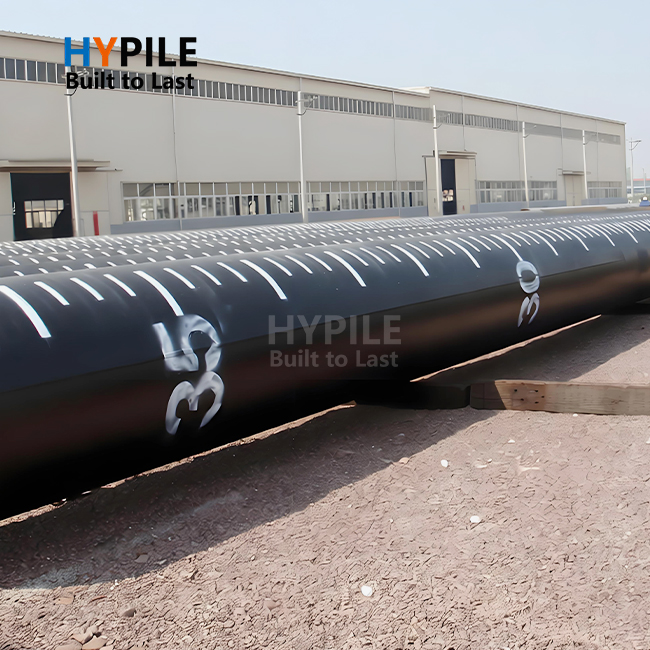
The standards for labeling and tagging in both specs make sure that materials, including carbon steel pipe, can be tracked correctly throughout the supply chain. Using color codes and stencils and making sure there is enough paperwork helps keep materials from getting mixed up during building and upkeep. When more than one type of pipe is used in the same job, these labeling methods become even more important.
Performance and Application Suitability Analysis
The final success of steel pipe choosing in tough situations depends on how well it works in real life. The choice between ASTM A53 and A106 standards is based on factors like the environment, working pressures, and the need for long service life.
Corrosion Resistance and Environmental Performance
As long as they are treated with galvanized metal, ASTM A53 pipes won't rust enough to be used normally outside or underground. When it comes to most cases, carbon steel does a good job of keeping things from rusting. However, in tough environments like chemical or sea settings, it may need extra care.
ASTM A106 pipes don't naturally not rust more, but they are made with tighter quality controls and surface finish standards that make it less likely that they will. Because the design is regular, there is no chance of preferred rusting along the welding joints. This means that it will last longer in places where corrosion is likely to happen. To keep rust from coming back, though, both standards call for the right safety measures.
Pressure and Temperature Performance
In real life, temperature limits make these parameters very different from each other. ASTM A53 pipes work well at room temperature and mild heating settings that are common in building services and low-pressure steam uses. Due to heat-affected zone features, the welding design in Types E and F may not work as well at high temperatures.
ASTM A106 pipes work great in high-temperature situations up to 400°C because they keep their mechanical features and shape even when the temperature changes. The controlled heat treatment and smooth construction make sure that the qualities are the same across the whole pipe, so there are no weak spots like there are with soldered joints. Because they work better, A106 lines are necessary for making electricity, processing petrochemicals, and heating industry spaces.
Procurement Considerations and Market Insights
Strategic procurement decisions require a comprehensive understanding of cost factors, supplier capabilities, and logistical considerations affecting project success. Market dynamics and regional manufacturing capabilities influence carbon steel pipe material availability and pricing structures for both ASTM A53 and A106 specifications.
Cost Analysis and Economic Factors
ASTM A53 steel pipes generally offer cost advantages due to simpler manufacturing processes and broader production capacity worldwide. The welded types (E and F) require less specialized equipment compared to seamless alternatives, resulting in competitive pricing for large-volume projects. Grade B material in Schedule 40 configuration represents the most economical option for general construction applications.
ASTM A106 pipes command premium pricing due to seamless manufacturing requirements and specialized quality control measures. The additional processing steps, tighter tolerances, and enhanced testing requirements contribute to higher unit costs compared to welded alternatives. However, the superior performance characteristics often justify the investment for critical applications where failure consequences are severe.
Supply Chain and Vendor Considerations
Global manufacturing capabilities vary significantly between regions, with established production centers in North America, Europe, and Asia offering different advantages regarding cost, quality, and delivery reliability. Supplier selection requires careful evaluation of certifications, testing capabilities, and track records in similar applications. Quality management systems, material traceability, and after-sales support become critical factors for long-term project success.
Lead times and minimum order quantities differ substantially based on specification requirements and supplier capabilities. ASTM A53 pipes benefit from broader production capacity and shorter lead times, while A106 pipes may require extended delivery schedules due to specialized manufacturing processes. Inventory management strategies must account for these differences when planning project material requirements.
Conclusion
The selection between ASTM A53 steel pipe and ASTM A106 specifications depends on specific application requirements, environmental conditions, and performance expectations. ASTM A53 pipes provide cost-effective solutions for general construction, low-pressure plumbing, and structural applications where moderate strength and standard operating conditions prevail. The availability in welded and seamless configurations offers flexibility for diverse project needs while maintaining competitive pricing.
ASTM A106 pipes excel in demanding applications requiring superior high-temperature performance, pressure resistance, and long-term reliability. The seamless construction and enhanced quality controls justify the premium pricing for critical applications in energy, petrochemical, and industrial processing sectors. Understanding these fundamental differences enables procurement professionals and engineering teams to make informed decisions that optimize both performance and project economics.
FAQ
1. Can ASTM A53 pipes be used for high-temperature applications?
ASTM A53 pipes are suitable for moderate temperature applications up to approximately 200°C. However, they are not recommended for high-temperature service above 400°C, where ASTM A106 pipes would be more appropriate. The welded construction in A53 Types E and F may experience reduced performance at elevated temperatures.
2. What are the main advantages of seamless construction in steel pipes?
Seamless construction eliminates welded joints that can become potential failure points under pressure and temperature stress. This results in uniform wall thickness, superior pressure handling capabilities, and improved reliability in critical applications. Seamless pipes also demonstrate better performance under cyclic loading conditions.
3. How do I verify the quality certification of purchased steel pipes?
Quality verification requires checking mill test certificates, material markings, and third-party inspection reports. Ensure suppliers provide documentation confirming compliance with specified ASTM standards, chemical composition analysis, and mechanical property test results. Independent testing laboratories can provide additional verification when required for critical applications.
Partner with HYPILE for Premium ASTM A53 Steel Pipe Solutions
HYPILE delivers comprehensive steel pipe solutions backed by 45+ years of engineering expertise and our "BUILD TO THE LAST" philosophy. Our ASTM A53 steel pipe manufacturing capabilities span SMLS, ERW, SSAW, and LSAW processes, covering grades A, B, and C with diameters from 10.3 to 7000mm and wall thicknesses up to 230mm. As a trusted ASTM A53 Steel Pipe supplier, we provide complete turnkey solutions, including material supply, protective coating, precision fabrication, and engineering support. Contact our procurement specialists at sales@hypile.com to discuss your project requirements and discover how our integrated approach ensures superior quality, reliable delivery, and long-term structural integrity for your most demanding applications.
References
1. ASTM International. "ASTM A53/A53M Standard Specification for Pipe, Steel, Black and Hot-Dipped, Zinc-Coated, Welded and Seamless." Annual Book of ASTM Standards, Vol. 01.01, 2023.
2. ASTM International. "ASTM A106/A106M Standard Specification for Seamless Carbon Steel Pipe for High-Temperature Service." Annual Book of ASTM Standards, Vol. 01.01, 2023.
3. American Society of Mechanical Engineers. "ASME B31.1 Power Piping Code: Material Requirements and Specifications for Carbon Steel Pipes." ASME Press, 2022.
4. American Petroleum Institute. "API 5L Specification for Line Pipe: Comparison with ASTM A53 and A106 Standards." API Publishing Services, 2023.
5. National Association of Corrosion Engineers. "NACE International Standards for Steel Pipe Corrosion Protection and Performance Evaluation." NACE International Press, 2022.
6. Steel Construction Institute. "Design Manual for Structural Steel Piping Systems: Material Selection and Performance Criteria." SCI Publication, 2023.
Have a project in mind? Tell us your goals — we’ll help you make it real.