- English
- French
- German
- Portuguese
- Spanish
- Russian
- Japanese
- Korean
- Arabic
- Greek
- German
- Turkish
- Italian
- Danish
- Romanian
- Indonesian
- Czech
- Afrikaans
- Swedish
- Polish
- Basque
- Catalan
- Esperanto
- Hindi
- Lao
- Albanian
- Amharic
- Armenian
- Azerbaijani
- Belarusian
- Bengali
- Bosnian
- Bulgarian
- Cebuano
- Chichewa
- Corsican
- Croatian
- Dutch
- Estonian
- Filipino
- Finnish
- Frisian
- Galician
- Georgian
- Gujarati
- Haitian
- Hausa
- Hawaiian
- Hebrew
- Hmong
- Hungarian
- Icelandic
- Igbo
- Javanese
- Kannada
- Kazakh
- Khmer
- Kurdish
- Kyrgyz
- Latin
- Latvian
- Lithuanian
- Luxembou..
- Macedonian
- Malagasy
- Malay
- Malayalam
- Maltese
- Maori
- Marathi
- Mongolian
- Burmese
- Nepali
- Norwegian
- Pashto
- Persian
- Punjabi
- Serbian
- Sesotho
- Sinhala
- Slovak
- Slovenian
- Somali
- Samoan
- Scots Gaelic
- Shona
- Sindhi
- Sundanese
- Swahili
- Tajik
- Tamil
- Telugu
- Thai
- Ukrainian
- Urdu
- Uzbek
- Vietnamese
- Welsh
- Xhosa
- Yiddish
- Yoruba
- Zulu
Chemical Composition of ASTM A106 Steel Pipes: What Makes It Durable
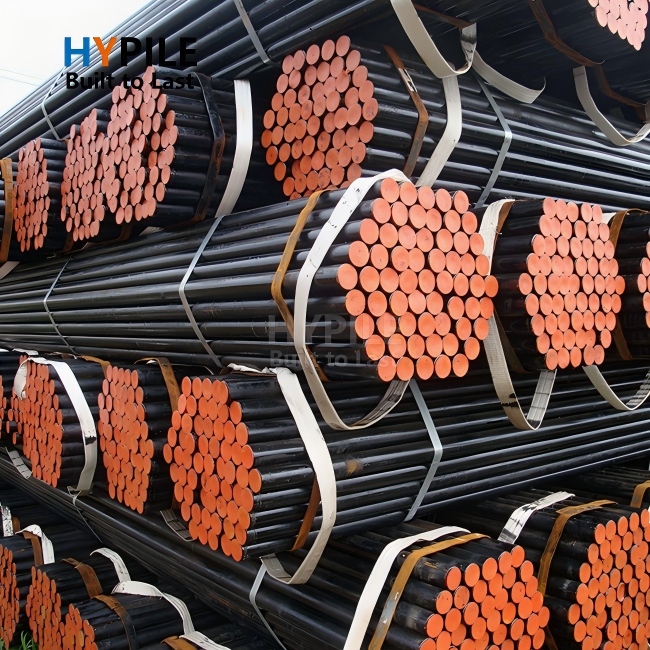
These pipes are made from strong ASTM A106 Seamless Steel Pipe. They'll last a long time. Even when things are tough, they always do a great job. Because ASTM A106 steel has small amounts of carbon, manganese, silicon, and other elements that work well together, it is known to be very strong. These pipes can handle a lot of heat and force because they are made of these chemicals. The form won't change as long as you use it. When they build, these things should be thought about by companies and builders who need strong lines for big projects.

Understanding ASTM A106 Steel Pipe Chemical Composition
Very good care is taken to pick the materials for ASTM A106 steel pipe so that the pipe lasts a long time. There are three kinds of drugs so that every business can use them. There are different amounts of some elements in each grade, which changes how well the pipe works and what it can be used for.
| STEEL GRADE | Composition Max, % | |||||||||
| C | Mn | P | S | Si | Cr | Cu | Mo | Ni | V | |
| ASTM A106 GR A | 0.25 | 0.27-0.93 | 0.035 | 0.035 | ≥0.10 | 0.40 | 0.40 | 0.15 | 0.40 | 0.08 |
| ASTM A106 GR B | 0.30 | 0.29-1.06 | 0.035 | 0.035 | ≥0.10 | 0.40 | 0.40 | 0.15 | 0.40 | 0.08 |
| ASTM A106 GR C | 0.35 | 0.29-1.06 | 0.035 | 0.035 | ≥0.10 | 0.40 | 0.40 | 0.15 | 0.40 | 0.08 |
Chemical Elements and Their Impact on Performance
A106 pipes are strong because they contain a lot of carbon. Granules A through C have carbon levels between 0.25% and 0.35%. Technical experts can choose the right grade based on the amount of strength they need. By pressing it, steel with more carbon gets stronger, but it might be harder to join. When things are stressful, grade C is best. For lots of welding, Grade A is best.
A big part of steel is iron and manganese. It makes the steel stronger and less likely to bend when it's being used. All grades have the same amount of manganese, which is between 0.27% and 0.93%. In this way, the technical qualities stay the same, and the making process goes more smoothly. Silicon is an important part of the process of making steel so that it doesn't rust. This process not only makes the steel cleaner, but it also makes it stronger and less likely to rust when the temperature rises.
Grade Distinctions and Their Applications
Based on their chemical makeup, each of the three ASTM A106 grades has its own unique benefits. Grade A is good for general-purpose pipe systems where ease of installation is important because it is moderately strong and welds well. Although there are other options, Grade B is usually chosen because it strikes the best mix between strength and workability for most industry uses.
Grade C is the best choice for high-pressure uses and structural parts that need to be able to hold the most weight. This is because it has the highest strength levels due to its higher carbon content. This grade works really well in places like power plants and petroleum plants that have to work in harsh situations and need high-quality materials.
Comparison with Other Steel Pipe Standards
As the name suggests, ASTM A106 is not the same as ASTM A53. It is made without seams and has tighter chemical rules. A53 comes in both joined and seamless options, but A106 only comes in seamless. This means that there are no weak spots that could be caused by weld gaps. There are tighter rules about the chemicals that make up A106, especially when it comes to how much sulfur and phosphorus it has. In addition to making it less likely to rust, this makes it more active.
Because of how its materials are made, ASTM A106 works better at high temperatures than API 5L standards, which are mostly for moving oil and gas. It is possible to control the amount of silicon in A106 pipes, which makes them great for high-temperature and steam service, where API 5L pipes might not work as well.
How Chemical Composition Influences Mechanical Properties and Durability?
The connection between the chemicals that make up ASTM A106 Seamless Steel Pipe and their mechanical features shows how well-thought-out engineering goes into making these long-lasting pipes. The success of the ASTM A106 seamless steel pipe in different working situations is determined by the unique properties of each chemical element.
Tensile Strength and Yield Characteristics
The amount of carbon in ASTM A106 pipes affects how strong they are when pulled apart. It is possible to pull up to 70,000 psi through Grade C pipes, but it is necessary to pull at least 48,000 psi through Grade A pipes. Because of these different strengths, engineers can choose the right grade based on how safe it is and how much stress it needs to withstand. Higher carbon content makes the pressure strength go up as well. That means the stuff can handle more weight and be used in rougher situations.
Manganese in steel helps it get stronger faster. This makes the pipe wall stronger all the way along its length. This part helps make fine-grained microstructures during the making process. As a result, the substance is stronger and can keep its shape even after being heated and iced many times.
Corrosion Resistance and Environmental Performance
Silicon is an important part of making the oxide layer that protects ASTM A106 lines from rusting in the air. The fixed amount of silicon, which is between 0.10% and 0.35%, helps oxide scales stick together and not break off when heated. This feature comes in handy, especially in steam service situations where the temperature changes often.
The low sulfur and phosphorus percentage standards in ASTM A106 guidelines make the steel much more resistant to stress cracks and intergranular rust. These limits on impurities make sure that the steel works the same way in harsh conditions and gives it a longer useful life than other carbon steel options. The chemical makeup also makes it compatible with a number of defensive coating systems, which can be used to provide better rust protection when needed.
Heat Treatment Response and Microstructural Stability
Because ASTM A106 steel has a normal chemical makeup, it reacts consistently to heat treatment methods. This makes it possible to precisely control the end mechanical qualities. The carbon and manganese presence make stabilization and stress-relieving methods work well without affecting the accuracy of the dimensions. This quality is very important for uses that need heat treatment after manufacturing or welding in the field.
The managed alloy content keeps the pipe's microstructure stable over its entire service life, keeping its mechanical properties from breaking down when it's exposed to high temperatures for a long time. This steadiness is very important in power generation, where pipes work all the time at temperatures that are getting close to their design limits.
Manufacturing Process and Quality Assurance of ASTM A106 Pipes
The best way to make ASTM A106 pipes is to start by carefully choosing the materials and then use complex production methods that take advantage of the chemical makeup of the steel to reach the highest quality standards. Modern methods for making seamless pipes bring out the best in the qualities that come from the carefully controlled chemical makeup.
Seamless Manufacturing and Chemical Composition Integration
To make a continuous product, solid steel billets must first be heated to about 2200°F. The controlled chemical makeup of the heat makes sure that it heats evenly and can be worked with. The material doesn't break and runs easily because it has the right amount of carbon and manganese. Cutting makes the first hollow shape. The right amount of silicon helps remove oxygen and reduces flaws inside the material during hot rolling and sizing.
ASTM A106 pipes don't have any welded joints, so there aren't any heat-affected areas that could change the mechanics or chemicals that are in them. This way of making pipes makes sure that they all work the same way along their whole length. It also gets rid of the weak spots that can appear when pipes are joined together.
Heat Treatment and Property Optimization
The chemical makeup of ASTM A106 is used in normalizing heat treatment methods to improve grain structure and make the mechanical traits better. The controlled carbon content lets the temperature be precisely controlled during normalization, which ensures that the austenite forms evenly and then changes into fine-grained ferrite-pearlite structures. This process makes the pipe wall harder and more resistant to pressure. The hardness values are the same all the way through the wall.
The low amount of leftover elements in ASTM A106 steel helps stress-relief techniques because it keeps the steel's flexibility and stops it from becoming weak. The chemical makeup allows for different heat treatment plans without affecting the security of the dimensions or the quality of the surface, which gives you the freedom to meet the needs of any application.
Quality Control and Chemical Verification
Through thorough testing and confirmation processes, modern quality assurance routines make sure that every ASTM A106 pipe meets strict chemical makeup standards. Product analysis checks for stability across production runs, while heat analysis makes sure that chemicals are within the ranges that were stated. Advanced spectroscopic equipment quickly and accurately analyzes all the needed elements, making sure that the results are the same from batch to batch.
Protocols for mechanical tests make sure that the seamless steel pipe chemistry makeup matches the predicted performance traits. Tensile testing makes sure that the required strength is met, and impact testing makes sure that the required toughness is met at certain temperatures. Testing the seamless steel pipe underwater shows that it can safely handle the design forces, which gives trust in the connection between chemical makeup and performance.
Application Areas Where ASTM A106 Pipes Excel
Because ASTM A106 pipes are made of a variety of chemicals, they work very well in a wide range of industrial settings where dependability and sturdiness are very important. In places where normal pipe materials would fail because of high temperatures, high pressures, or toxic situations, these pipes always perform better.
High-Temperature and High-Pressure Services
A lot of power companies use ASTM A106 pipes for systems that move steam at temperatures up to 750°F and pressures over 1500 psi. It is strong and stable at high and low temperatures because its chemicals are well-balanced. It also keeps its shape even after being heated and cooled many times. This steel doesn't rust or creep when heated to high temperatures, so it can be used in superheaters and reheaters.
Oil and gas processing plants use ASTM A106 pipes for heat exchanges, distillation columns, and process piping systems, among other high-temperature jobs. It will work reliably in these important cases because the chemicals that make it up can handle heat stress and keep their mechanical properties at high temperatures.
Structural and Infrastructure Applications
In the building business, ASTM A106 pipes are used in structural applications that need to be strong and reliable. These pipes are used for grounding systems and structural supports in bridge building because they can hold more weight and are resistant to weather factors. The stable chemical makeup makes sure that estimates for structural loads and safety factors always work out the way they should.
The chemical makeup of ASTM A106 makes it resistant to rust and strong, which is good for infrastructure projects like water treatment plants and city systems. Because the lines can handle ground movement and outside loads while keeping their pressure, they are perfect for use in important infrastructure.
Industrial Manufacturing and Processing
ASTM A106 pipes are used in chemical processing plants to handle a wide range of process fluids in tough situations. The chemical makeup can withstand heat shock and keep its strength at high temperatures, which makes it useful for continued use in tough industrial settings. These lines are used for heating systems in heat treatment boilers and industrial ovens, where dependability and temperature stability are very important.
The managed chemical makeup of ASTM A106 gives manufacturing plants that work with dangerous materials reliable performance characteristics. The pipes' ability to safely hold high-pressure systems and not break down when exposed to process poisons ensures that operations are safe and that regulations are followed.
Procurement Insights and Selecting the Right ASTM A106 Pipes
Strategic procurement of ASTM A106 seamless steel pipes requires a comprehensive understanding of how chemical composition variations impact performance, cost, and project timelines. Successful procurement professionals recognize that material specifications directly influence long-term project success and operational reliability.
Chemical Composition Verification and Supplier Assessment
Reliable suppliers provide detailed mill test certificates documenting actual chemical composition values for each pipe lot, enabling procurement teams to verify compliance with project specifications. These certificates should include heat analysis results showing carbon, manganese, silicon, sulfur, and phosphorus content within specified ranges. Reputable manufacturers maintain statistical process control systems that ensure consistent chemical composition across production runs.
Supplier qualification involves evaluating their quality management systems, testing capabilities, and certification compliance. ISO 9001 certification demonstrates commitment to quality control processes, while ASME certification validates the capability to produce pressure vessel components. Site audits provide insights into manufacturing processes and quality control procedures that ensure chemical composition consistency.
Cost Considerations and Grade Selection
Chemical composition differences between ASTM A106 grades directly influence material costs, with Grade C commanding premium pricing due to tighter composition control and enhanced performance characteristics. Project specifications should balance performance requirements against cost considerations, selecting the minimum grade that satisfies design criteria. Volume purchasing agreements often provide cost advantages while ensuring consistent material quality throughout project phases.
Lead times vary based on grade selection and market conditions, with Grade B typically offering the shortest delivery schedules due to higher production volumes. Special composition requirements or non-standard dimensions may extend lead times significantly, requiring early procurement planning to avoid project delays.
Long-term Supplier Relationships and Performance Assurance
Establishing partnerships with proven ASTM A106 seamless steel pipe suppliers creates value through consistent quality, competitive pricing, and reliable delivery performance. These relationships enable collaborative approaches to material selection, quality improvement, and cost optimization over multiple projects. Suppliers with comprehensive product ranges and technical support capabilities provide added value through engineering assistance and application guidance.
Performance tracking systems monitor supplier delivery performance, quality metrics, and cost competitiveness over time. Regular supplier reviews ensure continued alignment with procurement objectives and identify opportunities for improvement or cost reduction. Long-term contracts often provide price stability and preferential treatment during supply shortages.
Conclusion
The chemical composition of ASTM A106 steel pipes represents a sophisticated balance of elements engineered to deliver exceptional durability and performance across diverse industrial applications. The controlled carbon, manganese, and silicon content, combined with minimized impurities, creates pipes capable of withstanding extreme temperatures, high pressures, and demanding service conditions. Understanding these compositional relationships enables informed procurement decisions that optimize project performance while ensuring long-term reliability. The seamless construction and precise chemical control distinguish ASTM A106 pipes as the preferred choice for critical infrastructure, power generation, and industrial processing applications where failure is not an option.
FAQ
1. What makes ASTM A106 steel pipes more durable than other carbon steel pipes?
ASTM A106 pipes achieve superior durability through their controlled chemical composition, particularly the balanced carbon content (0.25-0.35%) and optimized manganese levels (0.27-0.93%). The seamless construction eliminates weld-related weak points, while low sulfur and phosphorus content enhance corrosion resistance and prevent intergranular cracking under stress.
2. How do the chemical compositions differ between ASTM A106 Grades A, B, and C?
Grade A contains 0.25% maximum carbon for enhanced weldability, Grade B includes 0.30% maximum carbon for balanced strength and workability, and Grade C allows up to 0.35% carbon for maximum strength applications. Manganese content remains consistent across grades, while silicon ranges from 0.10% minimum to ensure proper deoxidation.
3. What temperature and pressure capabilities do ASTM A106 pipes provide?
ASTM A106 pipes operate safely at temperatures up to 750°F with pressure ratings varying by wall thickness and diameter. The chemical composition maintains mechanical properties at elevated temperatures, making these pipes suitable for steam service, heat exchangers, and high-temperature process applications.
4. How does the seamless manufacturing process affect chemical composition uniformity?
The seamless manufacturing process eliminates heat-affected zones associated with welding, ensuring uniform chemical composition throughout the pipe structure. Hot piercing and rolling operations maintain consistent element distribution, while controlled cooling prevents segregation that could compromise mechanical properties.
5. What quality certifications should I expect with ASTM A106 pipes?
Reputable manufacturers provide mill test certificates documenting actual chemical composition analysis, mechanical test results, and dimensional verification. ASME certification, API monogram, and ISO 9001 quality management certification demonstrate compliance with industry standards and commitment to consistent product quality.
6. How do I select the appropriate ASTM A106 grade for my application?
Grade selection depends on operating conditions, strength requirements, and welding needs. Choose Grade A for extensive welding applications, Grade B for general-purpose high-temperature service, and Grade C for maximum strength requirements. Consider pressure ratings, temperature exposure, and cost factors when making final selection decisions.
Partner with HYPILE for Premium ASTM A106 Seamless Steel Pipe Solutions
HYPILE stands as your trusted ASTM A106 seamless steel pipe supplier, combining 45+ years of engineering excellence with comprehensive ASTM A106 seamless steel pipe manufacturing capabilities. Our advanced quality control systems ensure every ASTM A106 seamless steel pipe meets stringent chemical composition requirements while delivering exceptional durability for your most demanding projects. Whether you need Grade A, B, or C specifications with diameters ranging from 1/8" to 48", our experienced team provides technical support throughout the procurement process. Contact our engineering specialists at sales@hypile.com to discuss your specific requirements and discover how our "BUILD TO THE LAST" philosophy translates into superior project outcomes and long-term value.
References
1. American Society for Testing and Materials. "Standard Specification for Seamless Carbon Steel Pipe for High-Temperature Service." ASTM A106/A106M-19a, West Conshohocken, PA, 2019.
2. Harvey, John F. "Theory and Design of Pressure Vessels." 2nd Edition, Van Nostrand Reinhold Company, New York, 1985, Chapter 12: Materials for Pressure Vessels.
3. Metals Handbook Committee. "Properties and Selection: Iron, Steels, and High-Performance Alloys." 10th Edition, ASM International, Materials Park, Ohio, 1990.
4. Bringas, John E. "Handbook of Comparative World Steel Standards." 3rd Edition, ASTM International, West Conshohocken, Pennsylvania, 2004.
5. Roberts, George A. and Krauss, George. "Tool Steels and Special-Purpose Materials." 5th Edition, ASM International Handbook Committee, Materials Park, Ohio, 1998.
6. American Society of Mechanical Engineers. "Boiler and Pressure Vessel Code, Section II: Materials Specifications." ASME BPVC.II.A-2019, New York, 2019.
Have a project in mind? Tell us your goals — we’ll help you make it real.