- English
- French
- German
- Portuguese
- Spanish
- Russian
- Japanese
- Korean
- Arabic
- Greek
- German
- Turkish
- Italian
- Danish
- Romanian
- Indonesian
- Czech
- Afrikaans
- Swedish
- Polish
- Basque
- Catalan
- Esperanto
- Hindi
- Lao
- Albanian
- Amharic
- Armenian
- Azerbaijani
- Belarusian
- Bengali
- Bosnian
- Bulgarian
- Cebuano
- Chichewa
- Corsican
- Croatian
- Dutch
- Estonian
- Filipino
- Finnish
- Frisian
- Galician
- Georgian
- Gujarati
- Haitian
- Hausa
- Hawaiian
- Hebrew
- Hmong
- Hungarian
- Icelandic
- Igbo
- Javanese
- Kannada
- Kazakh
- Khmer
- Kurdish
- Kyrgyz
- Latin
- Latvian
- Lithuanian
- Luxembou..
- Macedonian
- Malagasy
- Malay
- Malayalam
- Maltese
- Maori
- Marathi
- Mongolian
- Burmese
- Nepali
- Norwegian
- Pashto
- Persian
- Punjabi
- Serbian
- Sesotho
- Sinhala
- Slovak
- Slovenian
- Somali
- Samoan
- Scots Gaelic
- Shona
- Sindhi
- Sundanese
- Swahili
- Tajik
- Tamil
- Telugu
- Thai
- Ukrainian
- Urdu
- Uzbek
- Vietnamese
- Welsh
- Xhosa
- Yiddish
- Yoruba
- Zulu
Best ASTM A36 Steel Pipe Suppliers in 2026
Procurement pros looking for the best ASTM A36 steel pipe providers in 2026 need to find partners who offer high quality, dependability, and full project support. Leading providers have advanced production skills and a history of success in building infrastructure, using their products in industry, and working on difficult foundation engineering projects. HYPILE is one of the stars in its field. It provides full technical support and supplies materials all in one package. With more than 45 years of experience, the company has a "BUILD TO THE LAST" attitude that guarantees the structural stability of the world's most difficult projects.
Introduction
This complete guide talks about ASTM A36 steel pipes, an important material that is bought and used around the world for infrastructure building, industrial engineering, and city projects. In 2026, it's even more important to know how to choose the right seller as projects get more complicated and quality standards rise. Choosing a provider based on good information gives you a competitive edge by ensuring high quality, on-time deliveries, and strict adherence to international standards.
This analysis will give readers organized information about A36 carbon steel specs, how to evaluate suppliers, descriptions of market leaders, compared material analysis, best practices for buying things, and new trends. This information is especially for industrial buyers, procurement workers, and project managers around the world who need reliable foundation engineering solutions for hard projects like high-groundwater uses and deep foundations.
Understanding ASTM A36 Steel Pipe—Specifications and Applications
Tough chemical and functional rules govern ASTM A36 steel pipe. This makes it a bendable carbon steel product that can be used in many industry and building projects. It's very easy to weld, which makes it great for complex manufacturing processes and one-of-a-kind engineering solutions.
Chemical Composition and Mechanical Properties
There are strict rules in the A36 plan about how to make science makeup. Manganese levels should be between 0.80% and 1.20%, and carbon levels should be between 0.25% and 0.29%. For each set method, the mechanical number is always the same. There is 36,000 PSI of yield strength and 58,000 to 80,000 PSI of tensile strength in this case. Do not forget these rules; they will help you get the right tools for the job and make sure you buy them the right way.
| STEEL GRADE | Composition Max, % | ||||||||
| C | Mn | P | S | Si | Cu | ||||
| ASTM A36 | 0.26 | 1.35 | 0.040 | 0.050 | 0.40 | min. 0.20 when copper steel is specified | |||
| STEEL GRADE | Yield Strength , min,MPA | Tensile Strength MPA |
Elongation in 2in min % |
||||||
| ASTM A36 | 250 | 400 -500 | 21 | ||||||
Standard Dimensions and Manufacturing Processes
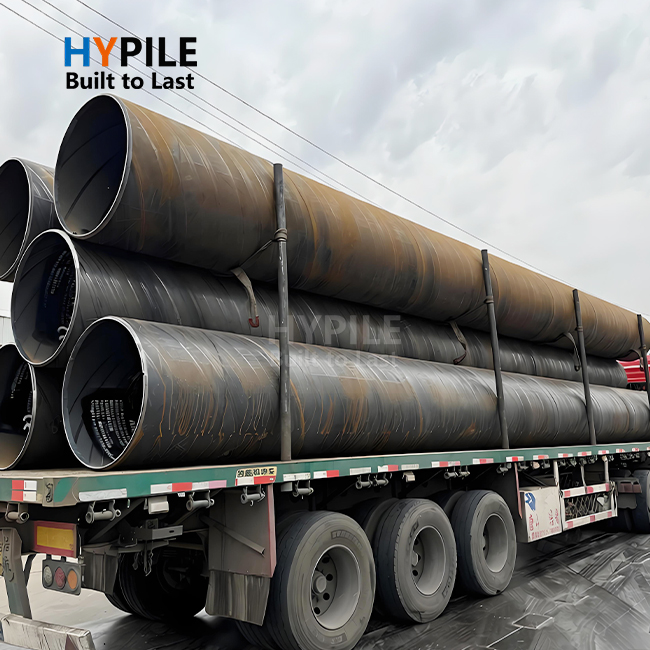
Modern A36 steel pipes are mostly made using three methods: Electrical Resistance Welding (ERW), Spiral Submerged Arc Welding (SSAW), and Longitudinal Submerged Arc Welding (LSAW). Outside widths of any size from 21.3 mm to 7,000 mm, wall thicknesses ranging from 0.8 mm to 230 mm, and lengths up to 100 meters. When buying teams have this much freedom, they can find things that do the job well and don't cost too much.
Industrial Applications and Performance Factors
ASTM A36 steel pipe works great in structural uses like building frames, bridge construction, and base systems that need to be able to reliably hold weight. This substance works better in tough settings and coastal environments, and it can fight rust better when coated with a protective layer. Because of these efficiency traits, ASTM A36 steel pipe is especially useful for building projects that need to last for a long time and need little upkeep.
Top ASTM A36 Steel Pipe Suppliers in 2026—Selection Criteria and Market Leaders
To find the right provider, you need to know a lot about quality certifications, foreign standards, and metrics for measuring supply chain reliability. Finding authorized providers who promise on-time delivery, genuine products, and consistent quality control throughout the production process is key to successful buying.
Critical Procurement Criteria
Companies that follow ASTM A252 rules make sure that their ISO certifications and full quality management systems are always up to date. When rating a company, it's important to look at how well it can make things, how well it can create goods, and how well it has completed tough projects in the past. Along with clear papers, testing results from a third party, and full support services after the sale, suppliers must also offer these things.
Manufacturing Capabilities and Distribution Networks
Advanced production centers with cutting-edge welding and precise construction tools are used by top providers. With these abilities, products can be made to exact specs while still meeting strict quality control standards. Hypile is a star in its field because it uses streamlined manufacturing processes, complete material supply chains, and specialized engineering support to deal with difficult project requirements and complicated geographic conditions.
Quality Assurance and Certification Standards
Leaders in the market use strict quality control methods, such as chemical analysis, mechanical tests, and processes for checking dimensions. Certified sellers keep detailed records of tests, material certificates, and tracking paperwork that make sure they follow international standards. These quality standards give buying teams faith in the performance of materials and the dependability of projects.
Comparative Analysis – ASTM A36 Steel Pipe vs. Alternative Steel Pipes
The best steel pipe material is one that you carefully compare. You should look at A36 carbon steel and other types of steel pipes, like ASTM A53, A106, and API 5L pipes made of stainless steel and tubular steel. The main points of this study are how well something fights rust, what kind of material it is, how much it costs, and what kinds of businesses it can be used in.
Mechanical Properties and Performance Comparison
ASTM A36 steel pipes have balanced mechanical qualities that make them good for general structural uses. Other options, like A106, offer better temperature resistance for high-pressure uses. API 5L versions are used in specific oil and gas uses, while A53 standards are great for pipes and industrial systems. By knowing these differences, buying teams can choose materials that work best in certain situations and meet performance standards.
Cost-Effectiveness and Lifecycle Considerations
A36 steel pipes usually offer better value for money when used in structural applications, providing solid performance at reasonable prices. The material is very easy to weld, which lowers the cost of making things and makes fitting easier than with higher-grade options. A36 pipes have longer service lives and lower total ownership costs in a wide range of situations when they are protected with the right coverings and maintained properly.
Application-Specific Selection Guidelines
For a job, the materials used depend on what it's for, how much weight it needs to hold, and any rules that need to be followed. A36 pipes are the best choice when you need pipes that are moderately strong and easy to work with. They are best for building frames, base systems, and other structural uses. People who work with certain materials in harsh chemical conditions, high temperatures, or who have to follow certain rules at work need to use different specs.
Procurement Best Practices for ASTM A36 Steel Pipes in 2026
Procurement tactics that work well focus on getting A36 pipes from well-known suppliers and make the most of big buying choices and delivery times. Digital platforms, relationships with suppliers, and quality testing procedures are all used in modern buying methods to make sure that projects are completed successfully.
Supplier Network Management
Building smart relationships with qualified providers who can consistently deliver high-quality goods and offer technical help is key to successful buying. Because of these connections, you can get customizable solutions, priority scheduling, and prices that are cheap. Keeping a diverse collection of suppliers and forming major ties with industry stars who understand difficult project needs are both good things for procurement teams.
Quality Verification and Risk Management
Audits of suppliers, testing by a third party, and checks of arriving materials are all part of thorough quality control routines that make sure products meet standards and work as expected. Risk management techniques include ways to find qualified suppliers, make the best use of contract terms, and plan for what to do if there are problems in the supply chain. These practices keep project risks to a minimum and make sure that the quality of the materials meets the project's strict requirements.
Contract Optimization and Cost Management
Contract arrangements that work well include quality standards, delivery dates, and number promises that work with the project's budget and time frame. Successful buying teams discuss terms that are fluid enough to adapt to changes in the project while keeping costs stable. To get the best total buying costs, strategic purchasing methods use market timing, the benefits of getting in bulk, and long-term relationships.
Enhancing Supplier Partnerships—Building Long-Term Value
Long-term procurement success depends on cultivating collaborative tubular steel supplier relationships anchored in transparent communication, technical expertise, and flexible service offerings. Strategic partnerships enable access to innovation, customized solutions, and responsive support that drive project efficiencies.
Collaborative Engineering Support
Leading suppliers provide comprehensive engineering support, including technical consultation, custom fabrication services, and project-specific solutions. HYPILE demonstrates this approach through integrated foundation engineering services that combine material supply with specialized installation expertise and ongoing technical support. These collaborative relationships enable procurement teams to access complete solutions rather than individual components.
Innovation and Technology Integration
Forward-thinking suppliers invest in manufacturing technology, quality systems, and service capabilities that enhance project outcomes. Advanced coating technologies, precision fabrication techniques, and digital supply chain management improve material performance and delivery reliability. Strategic partnerships with innovative suppliers provide access to emerging technologies and improved project methodologies.
Sustainability and Future Trends
Modern procurement strategies increasingly emphasize sustainability considerations, including material recyclability, manufacturing efficiency, and lifecycle environmental impacts. Leading suppliers demonstrate commitment to environmental stewardship through responsible manufacturing practices and product development initiatives. These considerations become increasingly important for procurement teams managing corporate sustainability objectives and regulatory compliance requirements.
Conclusion
Selecting optimal ASTM A36 steel pipe suppliers in 2026 requires comprehensive evaluation of technical capabilities, quality assurance systems, and long-term partnership potential. Successful procurement strategies balance immediate project needs with strategic relationship development, ensuring access to reliable materials and technical expertise. The evolving marketplace demands suppliers who combine manufacturing excellence with engineering support and innovative solutions. HYPILE's integrated approach exemplifies industry best practices through comprehensive foundation engineering expertise, proven project delivery, and commitment to long-term structural integrity that addresses the most demanding infrastructure challenges.
FAQ
1. What specific ASTM A36 pipe specifications should buyers verify before purchase?
Buyers should confirm chemical composition compliance, mechanical property certifications, dimensional accuracy, and manufacturing process documentation. Essential specifications include tensile strength verification, yield strength confirmation, and weldability testing results that ensure material performance meets project requirements.
2. How does ASTM A36 corrosion resistance compare with galvanized alternatives?
ASTM A36 steel pipes provide baseline corrosion resistance suitable for most structural applications, while galvanized coatings significantly enhance corrosion protection for exposed environments. The selection depends on specific exposure conditions, maintenance capabilities, and lifecycle cost considerations for individual projects.
3. What are typical lead times and volume discounts from top suppliers?
Leading suppliers typically offer 4-8 week lead times for standard specifications and 8-12 weeks for custom fabrications. Volume discounts generally range from 5% to 15% based on order quantities, with additional benefits for long-term contract commitments and repeat customers.
Partner with HYPILE for Superior ASTM A36 Steel Pipe Solutions
HYPILE delivers comprehensive ASTM A36 Steel Pipe solutions backed by 45+ years of foundation engineering expertise and proven project success across global infrastructure developments. Our integrated approach combines advanced manufacturing capabilities with specialized engineering support, ensuring optimal material performance for complex geological conditions and demanding structural applications. As a trusted ASTM A36 Steel Pipe supplier, we provide complete project solutions from initial consultation through final installation, supported by rigorous quality assurance and responsive customer service. Contact our team at sales@hypile.com to discuss your specific project requirements and discover how our "BUILD TO THE LAST" philosophy delivers uncompromising quality and long-term structural integrity for your most critical infrastructure investments.
References
1. American Society for Testing and Materials. "ASTM A36/A36M Standard Specification for Carbon Structural Steel." Annual Book of ASTM Standards, Vol. 01.04, 2023.
2. International Institute of Welding. "Welding Guidelines for ASTM A36 Carbon Steel Structures in Infrastructure Applications." IIW Document Series, 2023.
3. American Institute of Steel Construction. "Steel Construction Manual: Design Guidelines for A36 Carbon Steel Pipe Applications." AISC Publications, 15th Edition, 2024.
4. National Association of Corrosion Engineers. "Corrosion Control and Protection Strategies for Carbon Steel Infrastructure." NACE Technical Report, 2023.
5. Engineering News-Record. "Global Steel Pipe Market Analysis: Supply Chain Trends and Procurement Best Practices for 2026." ENR Market Intelligence Report, 2024.
6. International Organization for Standardization. "Quality Management Systems for Steel Pipe Manufacturing: ISO 9001 Implementation Guidelines." ISO Technical Standards, 2023.
Have a project in mind? Tell us your goals — we’ll help you make it real.