- English
- French
- German
- Portuguese
- Spanish
- Russian
- Japanese
- Korean
- Arabic
- Greek
- German
- Turkish
- Italian
- Danish
- Romanian
- Indonesian
- Czech
- Afrikaans
- Swedish
- Polish
- Basque
- Catalan
- Esperanto
- Hindi
- Lao
- Albanian
- Amharic
- Armenian
- Azerbaijani
- Belarusian
- Bengali
- Bosnian
- Bulgarian
- Cebuano
- Chichewa
- Corsican
- Croatian
- Dutch
- Estonian
- Filipino
- Finnish
- Frisian
- Galician
- Georgian
- Gujarati
- Haitian
- Hausa
- Hawaiian
- Hebrew
- Hmong
- Hungarian
- Icelandic
- Igbo
- Javanese
- Kannada
- Kazakh
- Khmer
- Kurdish
- Kyrgyz
- Latin
- Latvian
- Lithuanian
- Luxembou..
- Macedonian
- Malagasy
- Malay
- Malayalam
- Maltese
- Maori
- Marathi
- Mongolian
- Burmese
- Nepali
- Norwegian
- Pashto
- Persian
- Punjabi
- Serbian
- Sesotho
- Sinhala
- Slovak
- Slovenian
- Somali
- Samoan
- Scots Gaelic
- Shona
- Sindhi
- Sundanese
- Swahili
- Tajik
- Tamil
- Telugu
- Thai
- Ukrainian
- Urdu
- Uzbek
- Vietnamese
- Welsh
- Xhosa
- Yiddish
- Yoruba
- Zulu
Where to Buy Gost Standard Rails in Bulk: Best Suppliers and Tips
You should carefully look at a large provider's technical specs, quality approvals, and shipping choices in order to find one you can trust for GOST Standard Rail. These rails are made in line with GOST R 51685 rules and meet Russian standards. These are great for heavy-duty industrial uses because they are strong and last a long time. It is important to make sure you get the right materials for your job, whether it's for building infrastructure, mines, or industrial trains. Getting the right goods at the right price and on time is important because the right provider will make sure of that.
Understanding GOST Standard Rails: Specifications and Applications
The GOST Standard Rails set strict requirements for all parts of the train infrastructure. They are a complete set of technical specifications created in line with the Russian GOST R 51685 standards. These standards spell out exact requirements for rail sizes, materials, and performance traits that make sure they can work with tough industry uses.
Technical Specifications and Material Properties
The hot-rolling process is used to make GOST rails. Because of this, the steel has better engineering properties, which make the building stronger. When rails are hot-rolled, they become more durable and can handle more stress. This makes them great for places with a lot of foot traffic. Some types of steel are made to handle big loads and keep their shape for a long time. These are the kinds of steel that are usually used to make GOST rails.
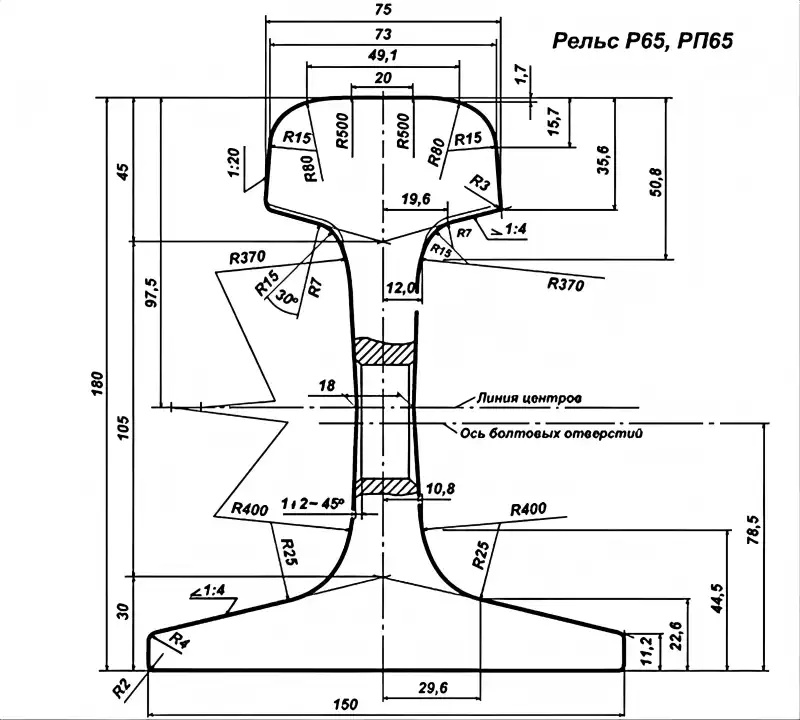
The GOST rules cover many different types of rail, from light ones that work well for industrial sidings to heavy ones that can handle freight moving. Shapes with 43 kg/m, 50 kg/m, and 65 kg/m weights are the most popular. They are all made to work in different places and with different amounts of weight. This standard design makes sure that goods from different sources work together, but it also lets people change them to meet their own needs.
Industrial Applications and Performance Characteristics
Ghost rails are often used in mining operations because they are very resistant to wear and weather stress. Because they are more resistant to wear, they are perfect for systems that move ore and move materials over and over again. The better steadiness and load spread that these tracks offer are also useful for port facilities and shipping hubs.
For industrial train uses, the tracks need to be able to handle different types of moving stock and different load patterns. Because they are made of strong steel and have a cross-sectional shape that makes them strong, Gost Standard Rails work great in these conditions. Because these tracks are flexible, engineers can choose the right shapes for different operating needs while still making them compatible with current infrastructure.
Comparing GOST Standard Rails with Other International Standards
To make smart purchasing decisions when looking at train standards for industrial uses, you need to know how the benefits of Gost Standard Rail and Gost specs stack up against foreign options. Russian train standards are based on a unique way of designing things that puts an emphasis on longevity and performance under tough operating conditions.
Structural Design and Material Advantages
When compared to many foreign standards, GOST rails have a unique head shape that better spreads wheel loads. This feature of the design lowers contact stress and increases the service life of the rail, which is especially important for big freight activities. The shape of the rail foot makes it more stable on the sides, which lowers the risk of gauge widening when the load changes.
GOST guidelines often call for materials to have more carbon and certain alloying elements that make them harder and less likely to break down. This way of thinking about metals is different from some international standards, which put weldability ahead of final strength. The result is a trained product that stays true to its dimensions longer even when it's being used a lot, which means less upkeep and downtime.
Environmental Resilience and Operational Benefits
Ghost rails also work better than other tracks when it comes to temperature-changing resistance. The way it is made makes a lattice that can handle temperature growth and contraction better than many other options. When operating in places where temperatures change a lot during working cycles, this feature comes in handy.
GOST guidelines for corrosion protection take into account the harsh conditions that are typical in industry settings. The steel's makeup and surface treatment make it more resistant to rust in the air, chemical contact, and electrical action. These traits mean that industrial train systems will have lower upkeep costs and assets that last longer.
How to Source Gost Standard Rails in Bulk: Best Supplier Selection Criteria?
To successfully buy Gost Standard Rails in bulk, you need to carefully evaluate possible providers based on their technical skills, quality control, and ability to meet your business needs. Because industrial train uses are so complicated, providers need to know a lot about both product specs and project needs.
Quality Assurance and Certification Requirements
Certified producers must show that they follow the rules in GOST R 51685 by using quality control systems that are written down. Testing and approval by a third party adds to the confidence that products meet certain standards. To check the mechanical properties, precision of measurements, and metallic properties of their products, suppliers should keep qualified testing sites or relationships with well-known testing groups.
In addition to basic compliance, documentation needs to include reports on measurement inspections, heat treatment records, and the ability to track down materials. Reliable providers keep detailed quality records that back up guarantee claims and show that the manufacturing process is always the same. These records are especially important for projects that need to get permission from the government or paperwork for sending goods across foreign borders.
Delivery Reliability and Logistics Capabilities
Because the train pieces are so big and heavy, buying them in bulk requires a lot of planning and organization. Suppliers with established shipping networks and the ability to move materials can cut down on project delays and costs by a large amount. Having warehouses close to major transportation hubs makes it easier to handle goods and make transfers in stages.
Production capacity and the ability to schedule orders have a direct effect on project timelines. Large orders can be fulfilled by suppliers who have enough production space without affecting quality or delivery times. Established sellers usually keep strategic stock levels of common train types on hand. This lets them respond faster to urgent needs and saves money by buying in bulk.
Commercial Terms and Risk Management
When looking at sources for big buying, it's important to be able to see prices clearly. Quotes that are complete should include all costs, like preparing the materials, applying protective coats, and shipping services. Fixed-price deals with a clear plan help keep project costs from going over budget and avoid budget problems.
Support services after the sale are what set professional sellers apart from product providers. A lot of what makes a project successful is having technical help during installation, guaranteed support for material flaws, and new parts like the GOST R 51685 P65/R65 rail that can be easily found. Suppliers with well-established service networks can offer local help that cuts down on response times and keeps operations running as smoothly as possible.
Practical Tips for Bulk Procurement and Efficient Rail Installation
Effective procurement strategies for GOST standard rails extend beyond supplier selection to encompass comprehensive project planning and execution methodologies. Understanding the complete procurement and installation process enables better coordination between material supply and construction activities.
Strategic Procurement Planning
Demand forecasting accuracy directly impacts procurement efficiency and cost-effectiveness. Historical consumption data, project schedules, and maintenance requirements provide the foundation for accurate quantity calculations. Buffer stock considerations should account for potential delivery delays, quality issues, and unforeseen project modifications that might affect material requirements.
Order timing optimization balances inventory carrying costs against potential price fluctuations and delivery risks. Early procurement provides scheduling flexibility but increases storage requirements and ties up working capital. Phased delivery agreements can reduce these concerns while maintaining schedule security through confirmed delivery dates aligned with construction milestones.
Installation Best Practices and Safety Considerations
Proper material handling during delivery and installation prevents damage that could compromise rail performance or safety. Specialized lifting equipment and trained personnel reduce the risk of handling-related defects while improving installation efficiency. Pre-installation inspection procedures verify material condition and identify potential issues before they affect construction progress.
Installation safety protocols must address the unique hazards associated with heavy rail handling and industrial railway construction. Personal protective equipment requirements, crane operation procedures, and traffic control measures protect workers while maintaining productive work environments. Coordination with existing railway operations requires additional safety planning to prevent conflicts between construction activities and operational requirements.
Maintenance Planning and Asset Management
Preventive maintenance programs maximize rail service life and operational reliability through systematic inspection and corrective action procedures. Understanding wear patterns and failure modes enables predictive maintenance strategies that reduce unexpected failures and associated costs. Supplier-provided maintenance guidance helps establish appropriate inspection intervals and performance criteria.
Spare parts availability and supplier support services contribute to effective asset management over the rail service life, such as for the GOST R 51685 P65/R65 rail. Establishing relationships with suppliers who provide ongoing technical support and replacement components ensures continuity of operations and reduces long-term maintenance costs. Documentation of installation procedures and maintenance history supports warranty claims and facilitates future procurement decisions.
Conclusion
Sourcing GOST standard rails in bulk requires careful evaluation of technical specifications, supplier capabilities, and project requirements to ensure successful outcomes. The superior load-bearing capacity, enhanced durability, and cost-effectiveness of these Russian-standard rails make them attractive for demanding industrial applications. Successful procurement depends on selecting certified suppliers with proven quality systems, reliable delivery capabilities, and comprehensive technical support. Strategic planning that encompasses material specification, logistics coordination, and installation procedures maximizes project efficiency while minimizing risks and costs throughout the rail service life.
FAQ
Common questions from procurement professionals and project managers reflect the practical challenges of sourcing GOST standard rails for industrial applications. These inquiries typically focus on technical compatibility, commercial terms, and project execution considerations.
1. What are typical lead times for large GOST rail orders?
Lead times for bulk GOST Standard Rail orders typically range from 6 to 16 weeks, depending on quantity, specifications, and supplier capacity. Standard profiles with common dimensions generally have shorter lead times due to regular production schedules. Custom specifications or special steel grades may require extended manufacturing periods to accommodate material procurement and quality testing requirements.
2. How do Gost rail prices compare to international standards?
Pricing comparisons between Gost rails and international standards depend on multiple factors, including order quantity, delivery location, and current market conditions. While initial unit costs may vary, the enhanced durability and reduced maintenance requirements of GOST rails often provide superior life-cycle value. Total cost analysis should consider installation costs, maintenance frequency, and expected service life when evaluating different rail options.
3. Are ghost rails compatible with European railway infrastructure?
Gost Standard Rails can integrate with European railway systems when proper engineering analysis confirms dimensional compatibility and operational suitability. Track gauge, wheel profiles, and loading conditions must align with existing infrastructure requirements. Professional engineering consultation ensures that any necessary modifications or special considerations are addressed during the design phase.
Partner with HYPILE for Your GOST Standard Rail Supply Needs
HYPILE brings decades of foundation engineering expertise to support your industrial railway projects with reliable GOST standard rail supply and technical consultation. Our comprehensive understanding of heavy construction requirements enables us to recommend optimal rail specifications that align with your project's geological conditions and operational demands. As an experienced foundation engineering company, we recognize the critical importance of proper rail selection for industrial applications requiring exceptional stability and load-bearing performance.
Our technical team provides detailed specification analysis and compatibility verification to ensure your Gost rail procurement meets both immediate installation requirements and long-term operational objectives. With established supplier relationships and quality assurance protocols, HYPILE streamlines the procurement process while maintaining the highest standards for material compliance and delivery reliability. Contact our team at sales@hypile.com to discuss your bulk Gost Standard Rail requirements and discover how our engineering expertise can enhance your project success through professional material sourcing and technical support services.
References
1. Russian Federation Committee for Standardization. "GOST R 51685: Railway Rails - Technical Specifications and Quality Requirements." Moscow State Publishing, 2018.
2. International Railway Industry Association. "Comparative Analysis of Global Rail Standards: Technical Performance and Economic Considerations." Railway Engineering Journal, 2022.
3. Materials Engineering Institute. "Metallurgical Properties and Performance Characteristics of Hot-Rolled Railway Rails." Steel Industry Research Publications, 2021.
4. Industrial Railway Safety Council. "Best Practices for Bulk Rail Procurement and Installation Safety." Infrastructure Safety Guidelines, 2023.
5. Global Infrastructure Development Board. "Supply Chain Management for Heavy Railway Components: Risk Assessment and Mitigation Strategies." Construction Industry Reports, 2022.
6. Railway Maintenance and Asset Management Association. "Life-Cycle Cost Analysis for Industrial Railway Infrastructure Components." Asset Management Technical Publications, 2023.
Have a project in mind? Tell us your goals — we’ll help you make it real.