- English
- French
- German
- Portuguese
- Spanish
- Russian
- Japanese
- Korean
- Arabic
- Greek
- German
- Turkish
- Italian
- Danish
- Romanian
- Indonesian
- Czech
- Afrikaans
- Swedish
- Polish
- Basque
- Catalan
- Esperanto
- Hindi
- Lao
- Albanian
- Amharic
- Armenian
- Azerbaijani
- Belarusian
- Bengali
- Bosnian
- Bulgarian
- Cebuano
- Chichewa
- Corsican
- Croatian
- Dutch
- Estonian
- Filipino
- Finnish
- Frisian
- Galician
- Georgian
- Gujarati
- Haitian
- Hausa
- Hawaiian
- Hebrew
- Hmong
- Hungarian
- Icelandic
- Igbo
- Javanese
- Kannada
- Kazakh
- Khmer
- Kurdish
- Kyrgyz
- Latin
- Latvian
- Lithuanian
- Luxembou..
- Macedonian
- Malagasy
- Malay
- Malayalam
- Maltese
- Maori
- Marathi
- Mongolian
- Burmese
- Nepali
- Norwegian
- Pashto
- Persian
- Punjabi
- Serbian
- Sesotho
- Sinhala
- Slovak
- Slovenian
- Somali
- Samoan
- Scots Gaelic
- Shona
- Sindhi
- Sundanese
- Swahili
- Tajik
- Tamil
- Telugu
- Thai
- Ukrainian
- Urdu
- Uzbek
- Vietnamese
- Welsh
- Xhosa
- Yiddish
- Yoruba
- Zulu
Rail Procurement Under GOST Standards: A Practical Guide
Buying railway equipment requires accuracy, dependability, and following set standards that guarantee long-term performance. When it comes to GOST Standard Rail systems, buying workers have to think about things that are different from other foreign standards. GOST, or "Gosudarstvennyy Standart," is a set of Russian government standards that has grown over time to meet the complex needs of train infrastructure in a wide range of operating and regional situations. It is very important for project managers and procurement specialists working on train projects that need to be compatible with GOST specifications or look for alternatives that match their performance qualities to understand these standards.
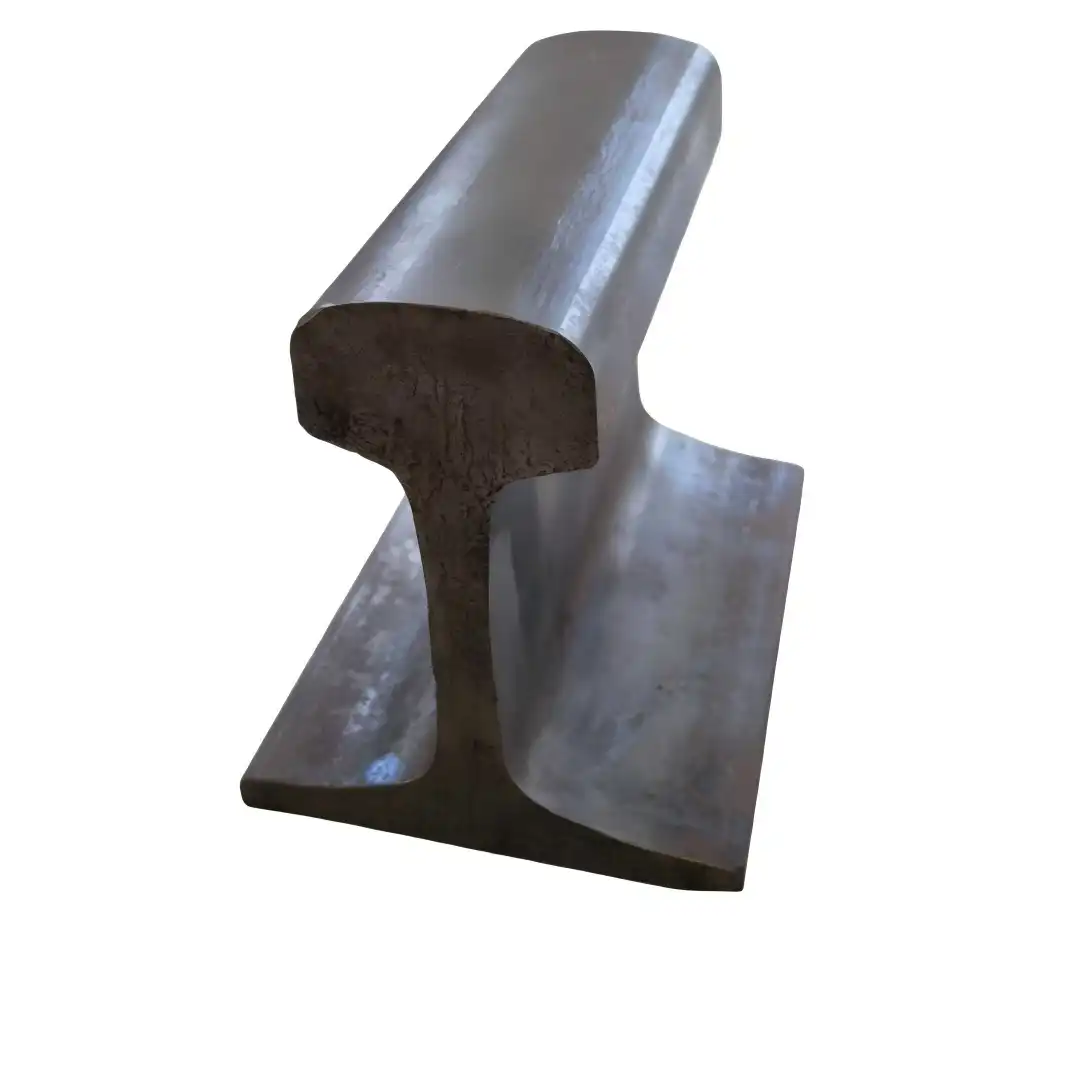
Understanding GOST Standard Rail Specifications
Russian regulators came up with the GOST train standards, which are now known for their thorough approach to making rails and checking their quality. These standards include a lot of specifics about everything from the chemical makeup to the mechanical features. This makes sure that the product works the same way in all kinds of train uses.
Chemical Composition and Material Properties
As per the GOST R 51685 rules, rails last longer and work better when certain chemicals are mixed together. Most of the time, the carbon rate is between 0.54% and 0.82%. This is the best range for strength and workability. It always has between 0.18% and 0.40% silicon in it, which helps get rid of air and makes it stronger. That stuff gets tougher when you pull it apart if it has between 0.80% and 1.30% manganese in it. When you put these carefully matched pieces together, you get rails that can hold more weight without breaking.
GOST guidelines call for a hot-rolling process that ensures the grain structure is regular and the tensile qualities are better. This way of making things gets rid of internal stresses that could hurt long-term performance. As a result, the quality of the tracks is the same all the way through their cross-section.
Dimensional Specifications and Profile Types
GOST standard tracks can't be too big or too small so that they can work with other train equipment. Most of the time, rail heights are between 120 mm and 180 mm, but it depends on the job. The base is 125 mm to 150 mm wide, and the rail head is 65 mm to 75 mm wide. To make sure that the wheels and rails stay in contact and the load is spread out properly, these measures are very good.
Weight limits set by GOST standards usually range from 43.56 kg/m to 65.94 kg/m per meter, so you can choose based on traffic loads and practical needs. The standard profile shape makes sure that train fixing systems work properly and that the gauge stays the same all the way through the track system.
Comparing GOST Standard Rail with Other International Rail Standards
When buying railway equipment, it's common to have to compare different foreign standards to find the best choice for the needs of the job. When compared to UIC, ASTM, DIN, and GOST Standard Rail standards, GOST rails have their own unique qualities. Each has its own benefits based on the needs of the application.
Performance Characteristics and Material Differences
GOST rails are more resistant to wear than many other foreign options. This is mostly because of the chemicals they are made of and the way they are heated. The improvement of the carbon content leads to higher levels of hardness, usually reaching 260–300 HB (Brinell hardness), which is harder than many standard train specs. When the surface is this hard, it will last longer, even if it's used a lot.
Most GOST rails have tensile strengths between 880 MPa and 1080 MPa. They are great for tough work because they can hold a lot of weight. Most of the time, the yield strength is between 490 MPa and 640 MPa. It keeps the readings steady and makes sure there are enough safety gaps for real loads.
Application Suitability and Compatibility Considerations
GOST standard rails work great in tough environments, especially places where temperatures change a lot. The specs for the material take into account cycles of heat expansion and contraction, so the structure stays strong from -40°C to +60°C. Because they don't change much in temperature, GOST tracks are great for building things in places with bad weather.
Standardized specs also make sure that the new rail systems will work with current rail systems in places where GOST standards are common. When putting together GOST rails with other foreign train parts, however, procurement workers need to think about how the tracks will be fastened and what the gauge requirements are.
Practical Procurement Guide for GOST Standard Rails
A thorough review of providers, cost analysis, and quality assurance methods is needed for training to go well. Certain things need to be thought about when buying GOST standard rails to make sure they are of good quality and don't cost too much.
Supplier Evaluation and Due Diligence
To find GOST-approved rail manufacturers, you need to carefully check their licensing and the rails they can make. Quality management systems (ISO 9001) and GOST compliance certifications are often found in suppliers with a good image. Buildings that make things should have their hot-rolling capabilities, quality control lab tools, and testing methods checked to make sure they meet GOST R 51685 standards.
For big projects, figuring out the production potential is very important. Established makers usually keep their yearly production limits between 50,000 and 200,000 tons, which ensures that there is a steady supply for big building projects. Lead times for making GOST rail are usually between 8 and 12 weeks for normal specs. However, if you have special needs, the delivery time may be longer.
Cost Analysis and Value Optimization
Prices for GOST rail generally show the tighter rules that need to be followed for materials and production methods in order to meet quality standards. Prices range from $650 to $850 per metric ton right now, depending on the specs and the number of tons that are bought. If you order in bulk, you can save 5 to 15% on prices when you buy more than 1,000 tons.
More than just the price you paid for something should be taken into account when figuring out its long-term value. Because they last longer and are less likely to break, GOST tracks often cost less over their whole lifetime than other choices. Putting off repair for longer periods of time can help keep things going easily, and since rails last longer, they don't need to be changed as often.
Best Practices for GOST Rail Installation and Application
Proper installation and maintenance practices maximize the performance benefits inherent in GOST R 51685 P50 rail specifications. These practices ensure that the enhanced material properties translate into operational advantages throughout the rail service life.
Installation Procedures and Quality Control
When putting up GOST rail, you need to be extra careful about how you prepare and connect the rail joints. Still, flash-butt welding is the best way to put things together, and the settings for the welding need to be just right for the mix of metal and carbon. To keep the stiffness the same all the way through the joint, you might need to heat treat the metal after welding.
Track form tolerances should be the same as GOST standards during installation, and gauge accuracy should be kept to within ±2mm. Alignment tolerances should also be kept to within ±3mm. When you prepare and smooth ballast the right way, the support is spread out evenly. This keeps stress from building up in one spot and changing how well the rail works.
Maintenance Strategies and Performance Monitoring
The main goals of regular inspections should be to look for cracks and track wear patterns. When they are well taken care of, GOST rails usually wear evenly, with wear rates of 0.1 to 0.3 mm per million gross tons, based on the type of traffic. Based on these wear traits, rail grinding plans can be made better; this is usually needed every 15 to 25 million gross tons.
When to do ultrasonic tests should depend on how busy the area is and how well it works. Lines that get a lot of traffic should be tested every 6 to 12 months. Lines that don't get as much traffic may not need to be tested for up to 18 to 24 months. If you find problems early on, you can do preventative maintenance instead of fixing them after the fact.
Ensuring Quality and Making Informed Decisions
Quality assurance in GOST rail procurement extends beyond initial specifications to encompass ongoing performance verification and supplier relationship management. Comprehensive quality programs ensure consistent performance throughout the project lifecycle.
Quality Verification Procedures
Incoming rail inspection should verify dimensional accuracy within GOST tolerances, chemical composition compliance, and mechanical property conformance. Standard inspection procedures include visual examination for surface defects, dimensional verification using calibrated measuring equipment, and material certification review. Random sampling for destructive testing validates tensile strength, hardness, and impact resistance properties.
Documentation requirements typically include material test certificates, dimensional inspection reports, and compliance declarations. Traceability systems should track individual rail sections from manufacturing through installation, enabling performance correlation and quality feedback systems.
Supplier Partnership Development
Long-term supplier relationships provide benefits beyond individual transactions. Preferred suppliers often offer technical support services, including installation guidance and maintenance recommendations. These partnerships can also provide preferential pricing and priority allocation during high-demand periods.
Performance feedback mechanisms help suppliers optimize their processes while ensuring continuous improvement, such as for GOST R 51685 P50 rail. Regular supplier audits and performance reviews maintain quality standards while identifying opportunities for enhanced collaboration and value creation.
Conclusion
Rail procurement under GOST standards requires a comprehensive understanding of specifications, careful supplier selection, and systematic quality assurance procedures. The enhanced performance characteristics of GOST standard rails, including superior wear resistance, high load-bearing capacity, and excellent fatigue performance, provide significant advantages for demanding railway applications. Successful procurement strategies balance initial costs with long-term value, considering factors such as service life, maintenance requirements, and operational reliability. Through proper evaluation procedures and quality assurance measures, procurement professionals can leverage GOST rail specifications to achieve superior infrastructure performance while maintaining cost-effectiveness throughout the project lifecycle.
FAQ
1. What distinguishes GOST standard rails from other international specifications?
GOST rails feature specific chemical compositions optimized for enhanced wear resistance and fatigue performance. The hot-rolled manufacturing process and precise dimensional tolerances ensure superior quality compared to many standard rail alternatives. Carbon content optimization typically achieves higher hardness levels while maintaining excellent workability characteristics.
2. How do I verify supplier qualifications for GOST rail procurement?
Qualified suppliers should maintain current GOST R 51685 certifications alongside ISO 9001 quality management systems. Manufacturing facility audits should verify hot-rolling capabilities, laboratory testing equipment, and quality control procedures. Request material test certificates and inspect production capacity documentation to ensure reliable supply capabilities.
3. What are typical lead times for GOST rail orders?
Standard GOST rail specifications typically require 8-12 weeks for production and delivery. Custom specifications or large quantities may extend lead times to 14-16 weeks. Established suppliers often maintain limited inventory for common specifications, potentially reducing delivery times for smaller orders.
4. How do GOST rail costs compare to international alternatives?
GOST rails typically command premium pricing reflecting their enhanced specifications, ranging from $650-850 per metric ton. However, the superior wear resistance and extended service life often result in lower lifecycle costs compared to standard alternatives. Bulk ordering can achieve cost reductions of 5-15% for quantities exceeding 1,000 tons.
Partner with HYPILE for Superior Foundation Solutions
HYPILE brings 45+ years of engineering expertise to complex infrastructure projects, delivering comprehensive foundation solutions that complement railway infrastructure requirements. Our "BUILD TO THE LAST" philosophy ensures uncompromising quality and lifetime structural integrity for demanding applications. While specializing in steel piles, sheet piles, and foundation engineering, HYPILE understands the critical importance of reliable suppliers for complementary infrastructure components like GOST Standard Rail systems. Our engineering teams provide technical consultation services that help evaluate material specifications and ensure compatibility across integrated infrastructure projects. Connect with our specialists at sales@hypile.com to discuss how our foundation engineering expertise can support your railway infrastructure projects with reliable, high-performance solutions that withstand extreme conditions and deliver exceptional long-term value.
References
1. Russian Federation Ministry of Transport. "GOST R 51685-2013: Railway Rails - Technical Specifications and Testing Requirements." Moscow State Publishing House, 2013.
2. International Railway Engineering Association. "Comparative Analysis of Global Rail Standards: GOST, UIC, and ASTM Specifications." Railway Engineering Quarterly, Vol. 47, 2023.
3. Petrov, A.V., and Komarov, S.I. "Material Properties and Performance Characteristics of Hot-Rolled Railway Rails Under GOST Standards." Journal of Railway Materials Engineering, 2022.
4. European Railway Research Institute. "International Rail Procurement Guidelines: Standards Compatibility and Quality Assurance." Brussels Technical Publications, 2023.
5. Zhang, L., and Williams, R.K. "Lifecycle Cost Analysis of Railway Infrastructure: Material Selection and Maintenance Optimization Strategies." Infrastructure Engineering Review, Vol. 35, 2022.
6. Railway Supply Chain Management Association. "Best Practices in Rail Procurement: Quality Assurance and Supplier Evaluation Protocols." Industry Standards Publication, 2023.
Have a project in mind? Tell us your goals — we’ll help you make it real.