- English
- French
- German
- Portuguese
- Spanish
- Russian
- Japanese
- Korean
- Arabic
- Greek
- German
- Turkish
- Italian
- Danish
- Romanian
- Indonesian
- Czech
- Afrikaans
- Swedish
- Polish
- Basque
- Catalan
- Esperanto
- Hindi
- Lao
- Albanian
- Amharic
- Armenian
- Azerbaijani
- Belarusian
- Bengali
- Bosnian
- Bulgarian
- Cebuano
- Chichewa
- Corsican
- Croatian
- Dutch
- Estonian
- Filipino
- Finnish
- Frisian
- Galician
- Georgian
- Gujarati
- Haitian
- Hausa
- Hawaiian
- Hebrew
- Hmong
- Hungarian
- Icelandic
- Igbo
- Javanese
- Kannada
- Kazakh
- Khmer
- Kurdish
- Kyrgyz
- Latin
- Latvian
- Lithuanian
- Luxembou..
- Macedonian
- Malagasy
- Malay
- Malayalam
- Maltese
- Maori
- Marathi
- Mongolian
- Burmese
- Nepali
- Norwegian
- Pashto
- Persian
- Punjabi
- Serbian
- Sesotho
- Sinhala
- Slovak
- Slovenian
- Somali
- Samoan
- Scots Gaelic
- Shona
- Sindhi
- Sundanese
- Swahili
- Tajik
- Tamil
- Telugu
- Thai
- Ukrainian
- Urdu
- Uzbek
- Vietnamese
- Welsh
- Xhosa
- Yiddish
- Yoruba
- Zulu
Mechanical Properties and Durability of ASTM A53 Steel Pipe
ASTM A53 Steel Pipe is a basic standard for steel piping systems that is widely used in infrastructure, industrial, and energy projects that need solid performance under a wide range of pressures and environmental conditions. This standard covers different ways to make pipes that can carry water, gas, steam, and other fluids. It includes the seamless (SMLS), electric-resistance welded (ERW), spiral submerged arc welded (SSAW), and longitudinal submerged arc welded (LSAW) methods. The standard lists exact mechanical properties, such as tensile strength, yield strength, and elongation, as well as durability features that are needed for structures to stay strong over time in places like petrochemical plants and municipal water systems.
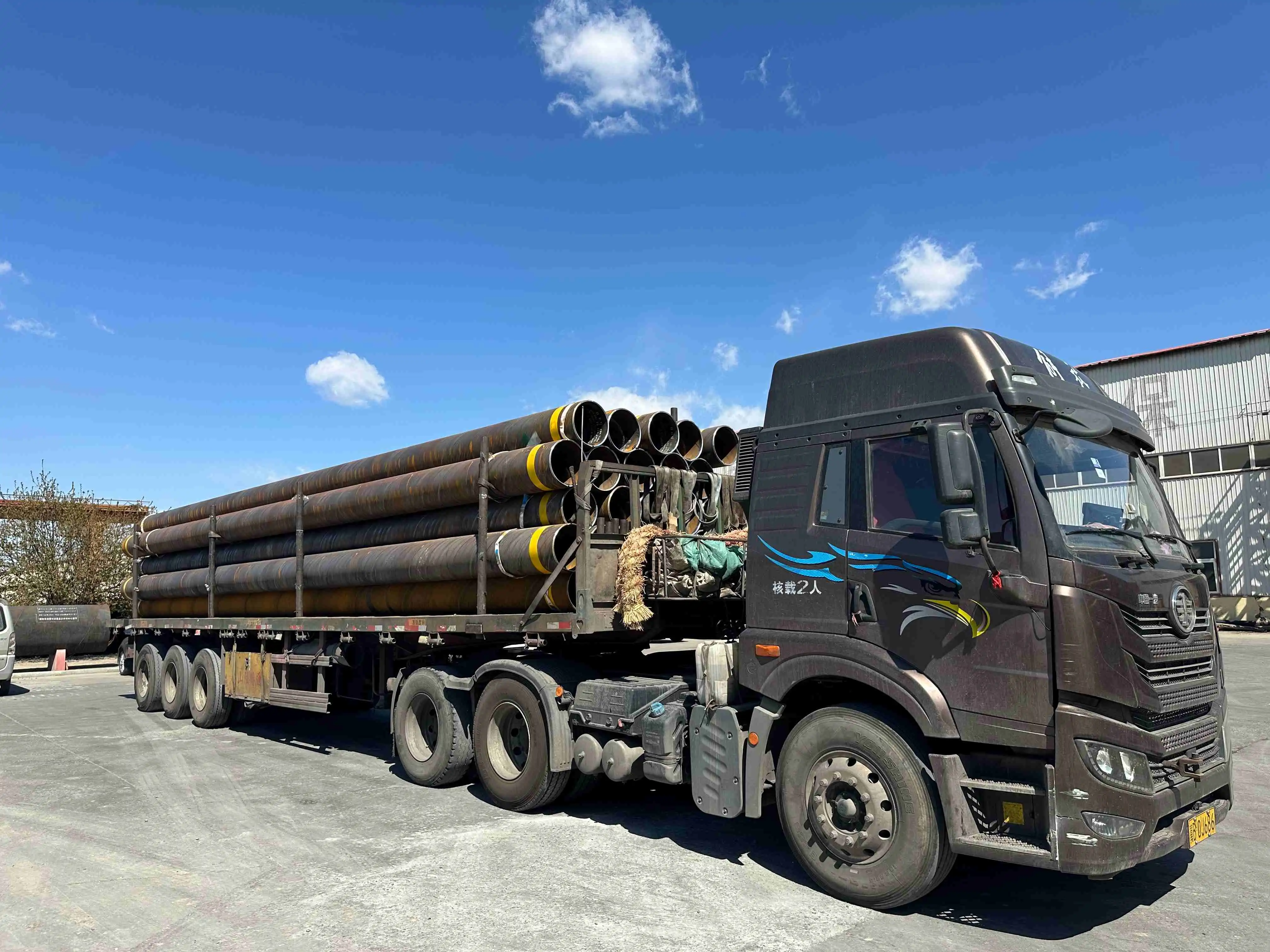
Understanding ASTM A53 Steel Pipe Specifications and Grades
Navigating the technical landscape of steel pipe standards begins with understanding how ASTM A53 categorizes its products. This specification addresses pipes manufactured through different processes and divides them into distinct grades, each engineered to meet specific performance requirements.
Classification by Type and Manufacturing Process
According to ASTM A53, steel pipes are broken up into three main groups based on how they are made. Type F pipes are welded in a kiln and are most often used when there is low pressure and cost-cutting is the most important thing. Type E pipes are welded with electric resistance. High-frequency welding is used to make them, which improves their mechanical properties and makes them good for use in mild to high-pressure situations. Pipes in Type S are made without any welds, which makes them stronger and more reliable for high-pressure, important uses where the structure must not be weakened. LSAW, SMLS, ERW, and SSAW can all be used to make pipes with walls as thin as 0.8 mm or as thick as 230 mm and outside sizes ranging from 10.3 mm to 7000 mm. They come in lengths of up to 100 meters, so they can be used for many different projects without needing too many links or joins.
Grade Distinctions and Mechanical Performance Metrics
There are three grades, according to ASTM A53: Grade A, Grade B, and Grade C. Most of the time, Grade B is used in work settings. The reason for this is that Grade B is more durable than Grade A. The least amount of stress it can take is 415 MPa (60,000 psi), while Grade A's is 330 MPa (48,000 psi). Grade A's minimum stress strength is 205 MPa (30,000 psi), but this one's is 240 MPa (35,000 psi). Grade B pipes can handle higher internal pressures and exterior loads because they are stronger. This makes it less likely that they will deform or break during use. You don't see as many Grade C pipes, but they have average qualities and can be used for some things. These numbers change for different grades and pipe widths. For smaller diameters, Grade B generally stretches 23%, and for bigger ones, it stretches 30%. The fact that this is the case shows that the substance is flexible, which means it can handle shock loads and temperature changes without breaking.
Dimensional Standards and Tolerance Requirements
Accurate measurements make sure that new systems can work with old ones and that engineering requirements are met. As a result of the way the pipes are made, the standard calls for outer diameter tolerances that are usually within ±1% for seamless pipes and slightly bigger margins for welded pipes. Similar levels of accuracy are needed for wall thickness tolerances, and Schedule 40 (SCH40) is a common specification that balances pressure capacity with material economy. Purchasing managers should make sure that the pipes they receive meet the dimensional requirements to avoid problems with compatibility during installation. Deviations outside of acceptable limits can weaken joints, cause uneven stress distribution, and cause systems to fail early. This is especially a problem in foundation ASTM A53 Steel Pipe engineering, where precise alignment has a direct effect on the safety of structures.
Durability Factors Influencing ASTM A53 Steel Pipes in Industrial Use
Long-term performance in demanding environments depends on multiple durability factors that procurement managers must evaluate when selecting piping solutions for infrastructure projects.
Corrosion Resistance: Black vs. Galvanized Finishes
Water, chemicals in the soil, and weather all put steel lines in contact with things that speed up corrosion all the time. ASTM A53 pipes can be hot-dip galvanised or left black (uncoated). Each one works better in a different setting. If you are going to protect the pipes during installation or keep the air quality under control, black pipes are a cheaper option. Galvanised pipes, on the other hand, are naturally resistant to corrosion because they are covered with zinc in a hot-dip process. This means they last longer in places outside, in the water, and underground, where they will be exposed to water. The zinc coating works as a sacrificial anode, rusting more slowly to keep the steel part below safe. Coatings are usually 45 to 85 microns thick, but they need to be thicker in tough places like factories or the navy. Steel pipes that are protected by this mechanism can last decades longer than steel that isn't protected. This cuts lifecycle costs even though the initial investment was higher.
Heat Treatment and Mechanical Integrity
Thermal handling changes a lot about the microstructure and mechanical properties of steel pipes. Controlled heating and cooling processes ease the stresses that are built up inside during industrial processes like forming and welding. This helps the item keep its shape better and makes it less likely to break from stress rust. When steel is heated above its transformation temperature and then cooled in air, a process called normalisation heat treatment smooths out the grains. This makes the steel stronger and tougher. It may be necessary to soften pipes that will be used at low temperatures more to keep them flexible and less likely to break when they are hit in places where they could become brittle. Heat processes like these make sure that the pipe works the same way all the way along its length. They get rid of any spots that are weak and could break if the load or pressure changes.
Quality Assurance Through Non-Destructive Testing
Making sure the pipe is solid before it is put in place can help keep accidents and expensive failures from happening in the field. One type of non-destructive testing (NDT) that is often used is checking ASTM A53 lines with eddy current, hydrostatic pressure, and ultrasonic waves. Usually, 1.5 times the working pressure is used, which is higher than the pipe's stated capacity. This is done during hydrostatic testing to make sure the structure is solid and won't change in the future. The ultrasound test finds layers that you can't see with the naked eye, cracks in the pipe, and changes in how thick the walls are. Eddy current can show you cracks on the outside of steel pipes and problems at the seams. NDT coverage should be bought in a way that takes into account how important the application is. For example, very important jobs like deep base support systems should be inspected 100% of the time, because a broken pipe could make the building less safe.
Comparative Analysis: ASTM A53 vs Other Steel Pipe Standards
Understanding how ASTM A53 compares to alternative specifications enables informed material selection aligned with project requirements and budget constraints.
ASTM A53 vs ASTM A106: Application-Specific Differences
Both standards cover carbon steel pipes, but ASTM A106 is only concerned with seamless pipes made for high-temperature use. This makes it the best choice for boiler systems, refinery pipes, and uses involving steam or thermal fluids. ASTM A106 Grade B has a tensile strength of at least 415 MPa, which is similar to ASTM A53 Grade B. However, ASTM A106 Grade B has stricter chemical composition controls and must be heat-treated, which makes it perform better at high temperatures. On the other hand, ASTM A53 is better for applications that don't need to withstand high temperatures, like foundation piping systems, structural supports, and water distribution. It's cheaper and comes in a wider range of welded and seamless types. For projects that require ASTM A53 Steel Pipe and want to save money without losing reliability, ASTM A53 Grade B in SCH40 configuration is often chosen as the best option.
Comparison with API 5L Pipeline Standards
API 5L tells line pipe used in oil and gas engine systems how to work. It looks at how hard the pipe is to break, how well it can be joined together, and how well it can stop hydrogen from cracking it. Some types of API 5L pipes have mechanical strengths that are about the same as ASTM A53, but they have to go through more tests, such as the Charpy V-notch impact test, to make sure they can handle changing pressure loads and possibly being in bad service conditions. API 5L pipes generally cost more because they have to go through more tests and meet more quality control rules. For infrastructure projects that don't involve moving hydrocarbons, this cost increase is generally not needed. Because of this, ASTM A53 is the most cost-effective choice for municipal water systems, HVAC installations, and structural uses that aren't very important and where normal mechanical properties are enough.
Stainless and High-Alloy Alternatives
Carbon steel pipes rust a lot less than stainless steel pipes, but making them costs a lot more—often three to five times as much. It's possible that projects that will be cleaned up a lot or that will be exposed to strong chemicals will need stainless grades. That being said, ASTM A53 pipes can often last just as long with hot-dip galvanising and the right protection coatings. They also cost a lot less. This is especially true when the pipes are outside in the ground, like in foundation work and civil building.
Procurement Considerations for ASTM A53 Steel Pipe
Strategic sourcing requires understanding market dynamics, supplier capabilities, and logistical factors that influence project success.
Pricing Influences and Cost Optimization Strategies
Steel pipe prices are affected by many factors, such as the cost of raw materials, the difficulty of the manufacturing process, the need for finishing, and the number of orders. Because they take longer to make and lose more material, seamless pipes cost more than welded ones. The cost of galvanised finishes adds about 15 to 25 percent to the base price of pipes, depending on the thickness of the coating. Buying in bulk saves a lot of money, with savings increasing at 50, 100, and 500 tonnes in normal market conditions. When it is possible, procurement managers should combine needs from different stages of a project and negotiate framework agreements that lock in good prices while still allowing for flexible delivery. Ordering outside of peak building times (off-season) can save you even more money because suppliers want to keep their production levels high.
Supplier Evaluation Criteria and Certification Standards
If you choose reputable sources, you can reduce the chance that poor materials will cause delays and compromise safety. Manufacturers with ISO 9001 quality management certification and related product certifications like API 5L or CE marking should be given the most weight when the manufacturers are being evaluated. Third-party mill test certificates that show chemical composition analysis and mechanical test results are clear and boost procurement trust. To keep the supply chain running smoothly, suppliers' production capacity, delivery history, and financial stability should be carefully evaluated. When compared to brokers who buy from multiple mills, manufacturers who can do everything themselves—from processing raw materials to finishing and fabrication—often offer better consistency and shorter wait times.
Lead Time Management and Inventory Strategies
Standard pipe sizes in common grades usually have lead times of two to four weeks from reputable sources. For custom specifications that need special mill runs, lead times can go up to eight to twelve weeks. Critical path analysis should find long-lead items early in the project planning process so that they can be bought right away to avoid schedule delays. Just-in-time delivery cuts down on on-site storage needs and capital tied up in inventory, but it requires reliable supplier performance and planning for transportation problems. Strategic placement of inventory at regional distribution centers helps projects in remote areas or with limited site access, balancing the costs of carrying goods against the reduction of schedule risk.
Applications and Benefits of ASTM A53 Steel Pipe in B2B Industries
The specification's versatility enables deployment across diverse industrial sectors, each benefiting from the material's reliable performance characteristics.
Infrastructure and Foundation Engineering Applications
Foundation engineering projects often need ASTM A53 pipes for sheet ASTM A53 Steel Pipe piling systems, casing uses, and ground stabilisation works that need strong mechanical properties and resistance to corrosion. Because the pipes can withstand driving forces during installation and last a long time in soil, they are perfect for supporting excavations, retaining structures, and cofferdams in bridge construction. Large-diameter ASTM A53 pipes are used as structural elements in deep foundation systems to move building loads to suitable bearing strata. Wall width can be changed based on how much weight is expected to be put on it. For example, heavy walls can handle high axial and lateral forces in areas prone to earthquakes or where the ground is soft. The fact that lengths of up to 100 meters are available cuts down on the need for splicing, which improves structure continuity and installation speed.
Water Transmission and Distribution Systems
In order for cities to have water infrastructure, they need steel pipes for transmission mains, distribution networks, and pumping station lines. The Schedule 40 configuration of ASTM A53 Grade B pipes can handle 100 to 150 psi of pressure, and they are cheap enough that they can be used to build a big network without going over budget. When something is buried, hot-dip galvanising protects it from soil corrosion and lowers the need for upkeep, which extends its useful life. If the type of water makes corrosion more likely or if the extra cost is worth it to make the hydraulics work better, an interior cement-mortar lining or epoxy coating can be chosen.
Industrial and Energy Sector Uses
In power plants, industrial plants, and oil and gas sites, ASTM A53 pipe is used for building supports, process lines, and cooling water systems. It has worked well in the past when the temperature and pressure were average. It's a good choice for backup systems that don't need alloys that are made for specific tasks because of this. In business and industry HVAC systems, these pipes heat steam, move chilled water around, and make condenser water circuits. They don't have to follow ASTM A106. Being cheap, strong, and not corroding all at the same time gives you long-lasting value that meets the needs of property management.
Performance Benefits and Lifecycle Advantages
The benefits of something are real when it is used in the real world. This helps make useful decisions. As long as they are taken care of, aluminium ASTM A53 gearbox mains could last 50 years in a big city. This proves that the standard will last. People who work on foundations said that good lines that don't bend when they're being driven in can help them do their jobs faster. This gets the job done faster and costs less because the tools don't have to be used as much. Good maintenance habits like regular checks, cathodic protection in places that are acidic, and fixing coating damage quickly all help these benefits last longer. When you look at how much a product costs over its whole life, ASTM A53 solutions are often 20–30% less expensive than premium alloy choices. This is because they can be made from regular carbon steel.
Conclusion
ASTM A53 Steel Pipe has been used for a long time in energy, infrastructure, and industry projects that need solid pipe systems. Procurement managers can choose materials that meet technical needs and stay within budget if they know about standard requirements, like how different grades affect the manufacturing process and the largest size that can be used. Protecting against corrosion, heat treatment, and quality checking through non-destructive testing are some of the things that make sure structures stay strong over time in harsh work settings. When other standards are compared to ASTM A53, it becomes clear that this standard is the best choice for performance and cost. Managing lead times, reviewing suppliers, and negotiating volumes are all strategic ways to buy that can help lower project risks and improve value delivery. With decades of field performance data to back them up, ASTM A53 pipes are still a flexible and cheap choice. This is because foundation building and infrastructure development are always changing.
FAQ
1. What mechanical properties matter most when selecting ASTM A53 pipes?
Tensile strength, yield strength, and elongation constitute the critical mechanical properties determining pipe suitability for specific applications. Grade B specification with 415 MPa minimum tensile strength handles higher pressure and load conditions compared to Grade A. Elongation percentages indicate ductility that resists brittle failure under impact or thermal stress. Wall thickness selection based on pressure capacity calculations ensures adequate safety margins. Procurement specifications should mandate mill test certificates verifying these properties meet standard requirements.
2. How does heat treatment affect ASTM A53 pipe durability?
Heat treatment processes relieve residual stresses from manufacturing operations, refining grain structure to enhance both strength and toughness. Normalization improves dimensional stability and reduces susceptibility to stress corrosion cracking. Pipes intended for challenging service conditions benefit from controlled thermal processing that ensures consistent mechanical properties throughout the material. Specifications should confirm appropriate heat treatment when applications involve cyclic loading, low temperatures, or critical structural roles where material reliability cannot be compromised.
3. Where should procurement managers source certified ASTM A53 steel pipe suppliers?
Reputable suppliers maintain ISO 9001 certification and provide comprehensive mill test certificates documenting chemical composition and mechanical test results. Manufacturers with integrated production capabilities spanning steel processing through finishing operations typically deliver superior consistency. Evaluation should verify production capacity, quality control systems, and delivery track records. Engagement with established suppliers serving infrastructure and industrial markets reduces procurement risks while enabling competitive pricing through volume relationships.
Partner with HYPILE for Superior Steel Pipe Solutions
HYPILE stands as your trusted ASTM A53 steel pipe supplier, delivering ASTM A53 Steel Pipe comprehensive piling and foundation engineering solutions backed by 45+ years of proven expertise. Our manufacturing capabilities span SMLS, ERW, SSAW, and LSAW processes, producing pipes from 10.3mm to 7000mm diameter with wall thicknesses up to 230mm—engineered precisely to ASTM A53 specifications in Grades A, B, and C. We offer complete turnkey services, including hot-dip galvanizing, protective coatings, precision fabrication, and technical support that simplify your procurement process while ensuring material quality meets the most demanding project requirements. Our "BUILD TO THE LAST" philosophy guarantees uncompromising structural integrity for infrastructure projects, marine constructions, and urban developments facing complex geological conditions and extended service life expectations. Contact our engineering team at sales@hypile.com to discuss your project specifications, receive detailed technical proposals, and access competitive pricing for bulk orders. Whether you require standard Schedule 40 configurations or custom-engineered solutions for challenging foundation applications, HYPILE delivers the reliability, performance, and partnership your projects demand.
References
1. American Society for Testing and Materials. (2020). Standard Specification for Pipe, Steel, Black and Hot-Dipped, Zinc-Coated, Welded and Seamless. ASTM International, West Conshohocken, PA.
2. Chen, W., & Lui, E. M. (2019). Structural Engineering Handbook: Steel Pipe and Tube Systems. CRC Press, Boca Raton, FL.
3. Davis, J. R. (Ed.). (2018). Metals Handbook: Carbon and Alloy Steels for Piping Applications. ASM International, Materials Park, OH.
4. Peterson, R. L., & Anderson, T. K. (2021). Foundation Engineering: Material Selection and Performance in Infrastructure Projects. McGraw-Hill Education, New York, NY.
5. Singh, R., & Kumar, A. (2020). Corrosion Control in Steel Piping Systems: Protective Coatings and Cathodic Protection Methods. Elsevier Science, Amsterdam, Netherlands.
6. Thompson, M. G. (2019). Industrial Piping Systems: Design, Material Selection, and Quality Assurance Standards. John Wiley & Sons, Hoboken, NJ.
Have a project in mind? Tell us your goals — we’ll help you make it real.