- English
- French
- German
- Portuguese
- Spanish
- Russian
- Japanese
- Korean
- Arabic
- Greek
- German
- Turkish
- Italian
- Danish
- Romanian
- Indonesian
- Czech
- Afrikaans
- Swedish
- Polish
- Basque
- Catalan
- Esperanto
- Hindi
- Lao
- Albanian
- Amharic
- Armenian
- Azerbaijani
- Belarusian
- Bengali
- Bosnian
- Bulgarian
- Cebuano
- Chichewa
- Corsican
- Croatian
- Dutch
- Estonian
- Filipino
- Finnish
- Frisian
- Galician
- Georgian
- Gujarati
- Haitian
- Hausa
- Hawaiian
- Hebrew
- Hmong
- Hungarian
- Icelandic
- Igbo
- Javanese
- Kannada
- Kazakh
- Khmer
- Kurdish
- Kyrgyz
- Latin
- Latvian
- Lithuanian
- Luxembou..
- Macedonian
- Malagasy
- Malay
- Malayalam
- Maltese
- Maori
- Marathi
- Mongolian
- Burmese
- Nepali
- Norwegian
- Pashto
- Persian
- Punjabi
- Serbian
- Sesotho
- Sinhala
- Slovak
- Slovenian
- Somali
- Samoan
- Scots Gaelic
- Shona
- Sindhi
- Sundanese
- Swahili
- Tajik
- Tamil
- Telugu
- Thai
- Ukrainian
- Urdu
- Uzbek
- Vietnamese
- Welsh
- Xhosa
- Yiddish
- Yoruba
- Zulu
Cost-Effective Welded Steel Pipes for Plumbing: What You Need to Know
If you are in charge of big plumbing jobs, picking the right piping solution, Welded Steel Pipe, can make or break your schedule and budget. Contractors, procurement managers, and building teams that want long-lasting materials that don't cost a lot of money can now rely on welded steel pipe. To make these pipes, flat steel is bent into cylinder shapes and then joined together using different types of welding. This makes strong, continuous structures that can handle tough plumbing jobs. Knowing the technical details, pros and cons, and selection criteria helps people make the best choices for infrastructure, industrial, and city plumbing systems, both in terms of the initial investment and the long-term performance.
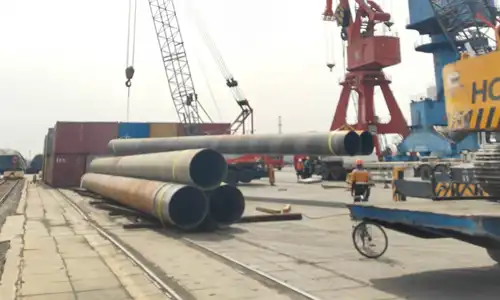
Understanding Welded Steel Pipes: Basics and Manufacturing Process
The foundation of any successful plumbing project lies in understanding your materials. Welded steel pipes differ fundamentally from seamless alternatives in how they're constructed, which directly impacts pricing, availability, and performance characteristics.
Key Manufacturing Methods Explained
There are three main types of welding that are used in production. Electric Resistance Welded (ERW) pipes use high-frequency electrical currents to heat the edges of steel until they fuse. This makes a clean longitudinal seam that is perfect for use with a smaller to medium diameter. Longitudinal Submerged Arc Welded (LSAW) pipes are made by shaping steel plates into cylinder shapes and welding the seam under a layer of granular flux. This makes pipes that are very strong and can be used in high-pressure systems. Spiral Submerged Arc Welded (SSAW) pipes have spiralling seams that are made when steel coils are wrapped constantly. This gives you a lot of options for sizes and saves you money for bigger diameter needs. The process starts with choosing the right raw steel coil or plate for the job. The material is formed by rollers that slowly make it into the desired diameter that is needed. Depending on the size of the pipe and the performance needs, welding can be done with either electrical resistance or submerged arc methods. Post-weld heat treatment levels out the structure of the material, getting rid of any internal stresses that could weaken its long-term stability. Ultrasonic testing, hydrostatic pressure testing, and dimensional verification are all parts of the quality inspection process that make sure every pipe meets strict standards before it leaves the building.
Industry Standards and Specifications
Following well-known rules makes sure that the product works with engineering plans and meets government standards. In Europe, EN 10219-1 and EN 10219-2 set the rules for cold-formed structural hollow sections. They say how they should be tested and what their mechanical traits should be. These standards cover a variety of steel grades, such as non-alloy options like S235JR and S355J2, fine-grain steels like S355N/NL and S460M/ML that are rolled normally or using thermomechanical rolling, and weathering steels like S355J2W that are made to be more resistant to corrosion in the environment. The outer diameter can be anywhere from 21.3mm to 7000mm, and the wall thickness can be anywhere from 0.8mm to 230mm. For special uses, the length can be up to 100 meters. Because of this, engineers can be very specific about what their water systems need without any problems. CE approval proves that a project is ready for the market in the European Union. This gives procurement teams confidence in following the rules and having proof of where materials came from.
Material Grades and Their Applications
By choosing the right steel grades, you can match the need for mechanical strength with your budget. S235JR is strong enough for most plumbing jobs that involve modest pressure and fluids that don't corrode. EN 10219 S460 Welded Steel Pipe doesn't corrode. S355J2 is better at being tough and resistant to impact, making it a good choice for systems that are subject to changes in temperature or mechanical stress. Fine-grain steels, such as S420N/NL and S460M/ML, perform better in important infrastructure where safety must be paramount. Each shipment comes with material traceability records that include chemical composition, mechanical test results, and heat treatment records. This paperwork is very helpful during project audits and shows that engineering standards were followed. Thorough testing procedures check the material's tensile strength, yield strength, elongation qualities, and the integrity of its weld seams. This makes sure that it works as expected for as long as it's used.
Benefits of Using Welded Steel Pipes in Plumbing Systems
Budget considerations drive many procurement decisions, yet cost-effectiveness extends beyond initial purchase price to encompass total ownership expenses over decades of operation.
Superior Cost Performance Analysis
Most of the time, welded steel pipes are 30–50% cheaper than seamless pipes of the same size and quality. This lower price comes from more efficient production methods that use regular steel coil instead of needing special skills for cutting and rolling. Production speeds are much faster than those of seamless manufacturing, which improves availability and cuts down on lead times, which is especially important for projects with tight deadlines. A total cost of ownership study shows even more savings. Standardised measurements and consistent wall thicknesses make fitting and welding easier, which speeds up the installation process. When proper corrosion protection steps are taken during installation, there isn't much maintenance that needs to be done. Because modern welded pipes are strong for their weight, they can be used to make better structures that use less material without sacrificing safety. This means that large-scale projects can save money on shipping and handling costs.
Mechanical and Corrosion Resistance Properties
With modern welding methods, seams are made that are as strong as or stronger than the base material. Ultrasonic checking makes sure that the integrity of the weld meets strict quality standards, getting rid of the weak spots that engineers used to worry about. Yield strengths between 235 MPa and 460 MPa can meet a wide range of pressure needs, from low-pressure drainage systems to high-pressure process pipes. Strategies for protecting against corrosion make things last longer in harsh settings. Hot-dip galvanising gives a strong zinc coating that saves the steel underneath from oxidation. Fusion-bonded epoxy linings keep surfaces smooth so that friction losses are kept to a minimum, and fluids don't cause internal rusting. When exposed to air, certain types of weathering steel form stable protective metal layers. In some cases, this means that the steel doesn't need to be painted on a regular basis.
Environmental and Sustainability Advantages
Over 85% of steel used in building projects is recycled, making it one of the most recycled materials in the world. Using recycled materials to make welded pipes has less of an effect on the world without affecting how well they work. Energy-efficient production methods and the best use of materials are in line with business sustainability goals that are becoming more important in procurement policies. End-of-life recyclability makes sure that project materials go back into the manufacturing stream instead of ending up in a landfill. People in the public sector and businesses that want to get green building certifications like this circular economy method. When properly built, systems last 50 years or more; they don't need to be replaced as often, which lowers their lifecycle environmental impact and total resource use.
Welded Steel Pipes vs. Other Pipe Types: Which Is Best for Your Project?
Comparing piping alternatives requires evaluating technical performance, economic factors, and project-specific requirements that influence long-term success.
Welded vs. Seamless Steel Pipes
If you use seamless pipes in ultra-high-pressure situations, EN 10219 S460 Welded Steel Pipe, where weld gaps could be weak spots, they might be better. But current welding techniques and inspection rules have mostly taken care of these issues for normal plumbing pressures. Cost increases of 30 to 50 percent for seamless options rarely make sense in commercial and industrial plumbing systems. Welded pipes are more common, especially in bigger diameters, where seamless manufacturing becomes too expensive. Welded products usually have lead times of weeks instead of months, which helps meet tight building schedules. When welded pipes have consistent dimensions, it's easier to plan purchases and less difficult to put them in the field when there are differences in tolerances.
Comparison with Galvanized and Black Steel Options
Because black steel pipes don't protect against corrosion, they can only be used in dry systems or places where protective coatings will be put in the field. Hot-dip processes coat galvanised pipes with zinc, which makes them last longer in corrosive settings. Galvanising materials costs 15–25% more, but the extra protection is worth it for systems that are exposed to water, soil, or corrosive atmospheres. The choice of protective coating relies on the fluid's properties and its exposure to the environment. Linings on the inside keep potable water systems from getting dirty, and coatings on the outside keep soil corrosion at bay in buried uses. Differences in life expectancy can last for decades, so making smart protection choices is essential to getting the return on investment you want.
Understanding ERW Technology
With exact temperature control and few heat-affected zones, electric resistance welding makes a very clean seam. This process works well for making standard-sized items over and over again, and the quality stays the same even when a lot of orders are placed. Accurate measurements and smooth inside surfaces cut down on pressure losses and make installation easier. ERW pipes work best in situations where exact tolerances and consistent material qualities are needed. Custom lengths and specs can be made without high cost increases thanks to flexible manufacturing. This helps with efficient project material planning. Quality assurance testing makes sure that 100% of the production has weld penetration and fusion, which gives procurement teams faith in the reliability of the product.
How to Choose the Right Welded Steel Pipe for Plumbing: A Procurement Guide
Strategic procurement requires systematic evaluation of technical requirements, supplier capabilities, and commercial terms that collectively ensure project success.
Technical Specification Development
Start by doing a full study of the system's operating parameters. Find out the highest working pressure, the temperature ranges, and the fluid properties that affect the choice of material grade. Use well-known design codes that take corrosion allowances and safety factors into account to figure out the minimum wall thickness. Specify the size requirements, such as diameter, length, and tolerance classes, that are in line with how the fitting will be installed and how well it will fit. Regulatory compliance verification makes sure that the requirements meet all relevant building codes and industry standards. Write down the necessary chemical composition, mechanical properties, and testing procedures that suppliers must meet. Include standards for the surface finish and protective coating that are right for the installation site and the conditions where the product will be used.
Supplier Evaluation Criteria
A supplier's certifications show how committed they are to quality management methods. ISO 9001 certification shows that quality controls have been put in place, and API and CE markings show that the product meets specific industry and area standards. Third-party testing and inspection services make sure that the properties of materials and the consistency of manufacturing are checked by someone other than the manufacturer. Production capacity assessment helps make sure that providers can meet project requirements for quantities and time frames. Check out the company's producing tools, quality control systems, and track record of completing similar projects. Ask for references from similar installations and look into the company's performance past, making sure that Welded Steel Pipe technical issues, problems, and deadlines were dealt with.
Commercial Terms and Logistics Planning
Different suppliers have different ways of setting prices, and quotes are affected by things like order volume, shipping schedule, and the complexity of the specifications. There may be a minimum order quantity, especially for custom specs that need dedicated production runs. Early knowledge of these factors allows for realistic budgeting and possible specification optimisation to improve commercial terms. Delivery coordination has a big effect on total project schedules. Make it clear how long it will take from placing an order to receiving the shipment, taking into account the time it takes to manufacture, check for quality, and ship. Talk about options for staging, partial shipments, and ways to handle inventory that make sure materials are available at the right time for each installation. Well-written business terms protect both parties and make it clear who is responsible for meeting their responsibilities.
Ensuring Successful Application of Welded Steel Pipes in Plumbing Projects
Proper installation practices and preventive maintenance programs maximize the substantial investment in quality piping materials.
Installation Best Practices
When joining things together, you have to follow the manufacturer's instructions and any relevant welding codes. Consistent weld quality is made possible by qualified welders who are licensed for the specific grades of material and pipe sizes. Pre-weld preparation includes the right way to clean, trim, and fit-up the parts so that they fuse together completely and there are fewer chances of defects. Before the system is pressurised, the integrity of the joints is checked after they have been welded using eye inspection, x-ray testing, or ultrasonic methods. Anchoring and space between supports keep stress from being too high due to heat expansion, vibration, or mechanical loads. When temperature changes are bigger than the design limits, you need to figure out expansion loops or use expansion joints. Insulation keeps heat in, stops condensation from forming, and stops corrosion from the outside in underground or exposed installations.
Corrosion Prevention Strategies
When pipes are buried, cathodic protection devices protect them electrochemically from soil corrosion. Protective electrical potential that stops oxidation reactions is kept up by sacrificed anodes or impressed current devices. Regular tracking makes sure that the system works well for as long as it was designed to. How you store and handle things keeps them from getting damaged before they are installed. Store pipes on level supports that keep them from warping and keep coating systems safe from damage while they're being moved. Set up quality control points to make sure the coating is still intact before burying or encasing it in concrete buildings.
Performance Monitoring and Maintenance
Routine inspection programs detect emerging issues before they escalate into costly failures. Visual examinations identify external coating degradation, mechanical damage, or signs of corrosion requiring remediation. Pressure testing at regular intervals confirms system integrity and reveals developing leaks requiring attention. Documentation systems track inspection findings, maintenance activities, and performance trends over time. This historical data informs future procurement decisions, validates design assumptions, and demonstrates due diligence in asset management responsibilities.
Conclusion
To choose the most cost-effective piping options, you have to find a balance between technical performance, budget constraints, and long-term dependability. Welded steel pipes made with the ERW, LSAW, or SSAW methods have been shown to work well in a wide range of plumbing uses and are much cheaper than seamless pipes. When procurement teams know about different manufacturing methods, material grades, and protective coating choices, they can choose the best solutions for each project. Systematic supplier evaluation that focuses on certifications, output capabilities, and business terms lowers procurement risks and ensures that deadlines are met. When you put things correctly and do regular maintenance, you protect the big investment you made in good materials. This way, your infrastructure, industrial, and municipal plumbing systems will last for decades.
FAQ
1. Are welded steel pipes suitable for potable water systems?
Welded steel pipes can serve potable water applications when properly specified with appropriate internal linings that prevent corrosion and contamination. Fusion-bonded epoxy or cement mortar linings create barrier layers between the steel and transported water, maintaining water quality throughout distribution. Material certifications must confirm compliance with drinking water standards such as NSF/ANSI 61, which limits leachable contaminants. Regular water quality monitoring verifies system performance and identifies any deterioration requiring remediation.
2. How do welded pipes perform in corrosive environments?
Performance in corrosive conditions depends on protective measures implemented during specification and installation. External coatings like fusion-bonded epoxy, polyethylene wrapping, or hot-dip galvanizing shield against soil corrosion in buried applications. Internal linings protect against corrosive fluids transported through the system. Cathodic protection systems provide additional electrochemical defense in particularly aggressive environments. Proper material selection, considering fluid chemistry and environmental exposure, ensures decades of reliable service.
3. What warranties do manufacturers typically provide?
Warranty terms vary among suppliers but commonly cover material defects and manufacturing flaws for periods ranging from one to five years from the delivery date. Warranties typically exclude damage from improper installation, operating conditions exceeding design parameters, or inadequate maintenance. Comprehensive documentation, including mill test reports and material certifications, supports warranty claims when issues arise. Clarifying warranty terms during procurement negotiations protects project interests and establishes clear accountability.
Partner with HYPILE for Your Welded Steel Pipe Requirements
HYPILE brings 45+ years of group expertise to demanding infrastructure Welded Steel Pipe and industrial plumbing projects requiring proven reliability and technical excellence. Our integrated approach encompasses welded steel pipe manufacturing through SSAW, LSAW, and ERW processes compliant with EN 10219 standards, material supply with comprehensive traceability documentation, and precision fabrication tailored to your specifications. We maintain extensive inventory across steel grades from S235JR through S460M/ML in diameters spanning 21.3mm to 7000mm, ensuring rapid response to your project schedules. Our "BUILD TO THE LAST" philosophy prioritizes uncompromising quality and lifetime structural integrity through rigorous testing protocols and CE certification for EU market access. Contact our engineering team at sales@hypile.com to discuss your specific requirements, receive detailed technical specifications, and discover how our cost-effective welded steel pipe solutions deliver measurable value to procurement-focused organizations seeking reliable suppliers with proven capabilities.
References
1. American Welding Society. (2021). Structural Welding Code for Steel: AWS D1.1/D1.1M. Miami: AWS Publications.
2. European Committee for Standardization. (2019). Cold Formed Welded Structural Hollow Sections of Non-Alloy and Fine Grain Steels: EN 10219-1 and EN 10219-2. Brussels: CEN Central Secretariat.
3. Baddoo, N.R. (2018). Stainless Steel in Construction: A Review of Research, Applications, Challenges and Opportunities. Journal of Constructional Steel Research, 148, 510-520.
4. National Association of Corrosion Engineers. (2020). Corrosion Control in the Water Supply Industry: A Practical Guide. Houston: NACE International.
5. Steel Tube Institute. (2022). Technical Manual for Welded and Seamless Steel Pipe Applications in Building Systems. Cleveland: STI Publications.
6. Construction Industry Research and Information Association. (2019). Steel Pipe Selection and Installation Best Practices for Infrastructure Projects. London: CIRIA Technical Report.
Have a project in mind? Tell us your goals — we’ll help you make it real.