- English
- French
- German
- Portuguese
- Spanish
- Russian
- Japanese
- Korean
- Arabic
- Greek
- German
- Turkish
- Italian
- Danish
- Romanian
- Indonesian
- Czech
- Afrikaans
- Swedish
- Polish
- Basque
- Catalan
- Esperanto
- Hindi
- Lao
- Albanian
- Amharic
- Armenian
- Azerbaijani
- Belarusian
- Bengali
- Bosnian
- Bulgarian
- Cebuano
- Chichewa
- Corsican
- Croatian
- Dutch
- Estonian
- Filipino
- Finnish
- Frisian
- Galician
- Georgian
- Gujarati
- Haitian
- Hausa
- Hawaiian
- Hebrew
- Hmong
- Hungarian
- Icelandic
- Igbo
- Javanese
- Kannada
- Kazakh
- Khmer
- Kurdish
- Kyrgyz
- Latin
- Latvian
- Lithuanian
- Luxembou..
- Macedonian
- Malagasy
- Malay
- Malayalam
- Maltese
- Maori
- Marathi
- Mongolian
- Burmese
- Nepali
- Norwegian
- Pashto
- Persian
- Punjabi
- Serbian
- Sesotho
- Sinhala
- Slovak
- Slovenian
- Somali
- Samoan
- Scots Gaelic
- Shona
- Sindhi
- Sundanese
- Swahili
- Tajik
- Tamil
- Telugu
- Thai
- Ukrainian
- Urdu
- Uzbek
- Vietnamese
- Welsh
- Xhosa
- Yiddish
- Yoruba
- Zulu
Choosing the Best Welded Steel Pipe for Gas Pipelines: Key Factors
Choosing the right welded steel pipe for a gas pipeline is a big choice that affects safety, operational efficiency, and costs over the life of the pipeline. Materials for gas transportation systems need to be able to resist high pressures, corrosive environments, and years of use without breaking. The best pipe choice strikes a mix between being strong mechanically, Welded Steel Pipe, and being cost-effective, all while meeting strict regulatory standards. Knowing how things are made, what materials are used, and how well they work helps project managers and procurement professionals choose parts that protect infrastructure investments and make sure that gas delivery stays uninterrupted across complicated distribution networks.
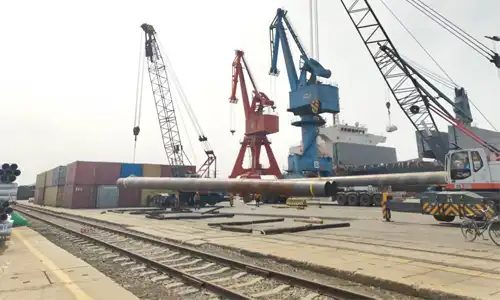
Understanding Welded Steel Pipes and Their Role in Gas Pipelines
Gas transmission infrastructure relies heavily on welded pipe technology due to its exceptional combination of structural integrity and production efficiency. Unlike seamless options that require costly extrusion processes, welded variants use advanced joining methods that create longitudinal or spiral seams capable of matching base metal strength.
Manufacturing Processes That Define Performance
Electric Resistance Welding (ERW), Spiral Submerged Arc Welding (SSAW), and Longitudinal Submerged Arc Welding (LSAW) are the three main welding methods used to make gas pipelines. ERW pipes are heated with high-frequency induction, which melts the steel edges together without using filler material. This makes welds that are consistent and can be used for widths up to 24 inches. SSAW technology makes helical seams by repeatedly feeding steel coils through welding stations. This makes it possible to make pipes with diameters over 100 inches. LSAW methods make straight longitudinal seams that work well for thick-walled, high-pressure uses in important gearbox lines. Each way of making things has its own benefits that depend on the needs of the project. Cold-formed welded pipes made to EN 10219 standards are very accurate in size and can be used in structural uses that need tight tolerances. Non-alloy steels like S235JR and S355J2 are used in these pipes, as well as fine-grain steels like S420N/NL and weathering types like S355J0W that don't rust in the air. With outside diameters from 21.3mm to 7000mm and wall thicknesses from 0.8mm to 230mm, they can meet a wide range of technical needs. CE certification ensures that they are legal in the EU market.
Standards Governing Quality and Safety
Minimum standards for chemical makeup, mechanical properties, and testing methods are set by international specifications. The ASTM standards spell out the grades of materials and the ranges of sizes that are acceptable. The API 5L standards, on the other hand, spell out the exact requirements for pipeline service. The EN 10217 series describes the technical delivery conditions for pressure, making sure that the performance of the base material and the consistency of the weld are the same. Verification of compliance through mill test certificates and third-party inspections makes it possible to track materials, which is needed for project paperwork and regulatory approval.
Advantages Over Alternative Piping Solutions
Welded steel pipes are more structurally efficient because they have high strength-to-weight ratios that make them easier to move and set up. For specific uses, manufacturing flexibility lets diameter, wall thickness, and length specs be changed up to 100 meters. Cost benefits are especially important for large-diameter pipes, where making them seamless would be hard and would require expensive alternatives or a lot of joints that make leaks more likely.
Key Selection Criteria for Welded Steel Pipes in Gas Pipeline Projects
Procurement decisions require systematic EN 10219 S420 Welded Steel Pipe evaluation of technical parameters that directly influence long-term system performance. Engineering teams must balance multiple competing factors to optimise both initial capital expenditure and operational reliability.
Material Grade and Mechanical Properties
The choice of steel grade affects how well it handles pressure, EN 10219 S420 Welded Steel Pipe, and the environment over the course of its working life. Steels that aren't alloys, like S275JR, are strong enough for low-pressure distribution networks. They have a minimum yield strength of about 275 MPa and are cheap. Normalised rolling makes fine-grain steels like S355N/NL tougher, and they can reach yield strengths of over 355 MPa while still being easy to weld. Thermomechanically rolled grades, such as S420M/ML, can reach yield strengths above 420 MPa, which means they can be used in high-pressure gearbox applications where reducing the wall thickness saves weight. The standards for mechanical testing depend on how severe the application is. Standard tensile testing ensures that the ultimate strength and yield strength meet the requirements. Impact testing at service temperatures makes sure that the material is flexible enough to avoid breaking easily. Flattening and bending tests make sure that the quality of the weld fits the performance of the parent material. This is important for keeping the weld's integrity during cyclic loading conditions that happen when pressure changes.
Dimensional Accuracy and Consistency
Precise control of dimensions makes sure that automated welding tools and mechanical fittings can work together while the pipeline is being built. Tolerances for the outside diameter are usually in line with ISO standards. For diameters less than 400mm, luxury grades keep variations to 0.5%. The regularity of wall thickness changes how pressure ratings are calculated and how corrosion allowances are planned. Consistent dimensional quality cuts down on rework in the field and speeds up installation schedules, which saves money on big projects. Length specifications affect how logistics are planned and how often joints are made along pipeline routes. Standard production lengths are up to 12 meters, but custom-made lengths can meet needs up to 100 meters long in order to minimise weld joints in important areas. Longer lengths cut down on possible leak places and installation labour costs, which is especially helpful in remote areas where sending a welding crew can be very expensive.
Corrosion Protection Systems
Depending on the soil and temperature, external coating methods like fusion-bonded epoxy (FBE), three-layer polyethene (3LPE), and coal tar enamel can be used to protect buried pipelines from corrosion on the soil side. When hydrogen sulphide or carbon dioxide is present in sour gas service, internal coats keep the product side from rusting. Using coating systems with the right electrical resistivity is needed for cathodic protection. For above-ground sites exposed to the atmosphere, steel grades that are weathering create protective oxide layers that do not need to be painted. Copper, chromium, and nickel are added to these special alloys to make stable patina surfaces. This lowers the cost of upkeep over the life of the pipeline and makes it look better.
Compliance and Certification Requirements
Verification of regulatory compliance starts with company certifications that show their quality management systems meet ISO 9001 standards. Material test records show the chemical makeup and mechanical features of each production lot. This makes it possible to track products all the way through the supply chain. Third-party inspection services check the quality of the weld and make sure the dimensions are correct using non-destructive tests like ultrasonic examination and radiographic inspection. CE marking shows that the product meets European safety, health, and environmental protection standards, which is necessary for projects in EU countries. For pipeline service, API monograms may be needed, and for pressurised gas uses, pressure equipment directive compliance may be needed. Full sets of paperwork help with the permit process and show that careful thought went into choosing the materials.
Procurement and Supply Chain Considerations for B2B Buyers
Strategic sourcing of pipeline materials requires EN 10219 S420 Welded Steel Pipe understanding manufacturer capabilities, lead time variables, and service commitments that extend beyond initial delivery. Establishing relationships with reliable suppliers mitigates project risks and ensures consistent material quality across multi-phase developments.
Supplier Qualification and Performance History
Manufacturers with a good reputation keep their factories up to date with automatic welding lines, heat treatment tools, and full testing labs. Supplier audits should make sure that the equipment's capacity fits the volume needs of the project and that the quality control procedures are in line with the standards that were set. Performance history on similar projects gives you faith in the project's ability to be delivered on time and provide technical support during construction. Ask for detailed information about the manufacturing process, such as the specifications of the equipment and any programs that certify operators. Knowing how a supplier makes their products can help you figure out if they can meet special needs like longer lengths, non-standard dimensions, or faster shipping times. Visits to factories can teach you a lot about their quality culture and how to run an efficient business that paper certificates alone can't.
Customisation Capabilities and Technical Support
Complex pipeline projects often need answers that aren't EN 10219 S420 Welded Steel Pipe available in a standard catalogue. Check out possible suppliers to see what engineering resources they have and how willing they are to work with you on developing specifications. Premium suppliers can offer custom steel grades, special coatings, or unique dimensional configurations, which set them apart from commodity suppliers who only sell standard products. Technical support during procurement includes help with choosing materials, doing calculations for designs, and coming up with new welding procedures. Experienced sources can help you by sharing what they've learned from working on projects with similar geological conditions, pressure needs, or environmental problems in the past. This consultative method cuts down on design mistakes and makes sure that the right materials are chosen for each application.
Logistics and Inventory Management
Lead times for welded steel pipes depend on their width, wall thickness, and the type of coating that is needed. Standard items may ship within a few weeks, but special orders take 10 to 14 weeks from the time the order is confirmed until they are delivered. Knowing these dates helps with accurate project scheduling and stops expensive delays in construction while materials are being sourced. Strategic inventory placement through supplier warehouse networks or consignment arrangements makes it possible for construction schedules to be broken up into stages. When you commit to buying in bulk, you can often get better prices and make sure that materials will be available for longer periods of time. When planning logistics for transportation, large-diameter pipes have to be taken into account because they have size and weight limits and need special tools to move them.
Quality Assurance and After-Sales Service
Each shipment comes with a lot of quality paperwork, like mill test certificates, dimensional inspection records, and coating test results. Check to see if the supplier's quality control programs allow for inspection of incoming raw materials, tracking of work in progress, and testing of the finished product before it is shipped. There is more trust in the conformance of the material when random sampling and third-party verification are used. After-sales support includes technical help during installation, resolution of any material concerns, and warranty coverage for manufacturing defects. Make the warranty's terms clearer, especially when it comes to how to file a claim and who is responsible for fixing the problem. Suppliers who offer field service support show that they care about their customers' success after the original transaction is over.
Comparative Analysis: Welded Steel Pipe vs Other Pipe Types for Gas Pipelines
Understanding the relative advantages of different pipe manufacturing methods enables informed selection aligned with project priorities. Each technology offers specific benefits depending on application requirements and operational conditions.
Welded Versus Seamless Construction
Rotary piercing makes seamless lines that don't have any longitudinal welds, so they should be strong in all directions. This way of building works well for jobs that need the highest possible burst strength or for harsh service conditions with high safety factors. On the other hand, seamless pipes can't be made in diameters smaller than 24 inches and are much more expensive than welded pipes. Welded pipes are especially useful for large-diameter applications where seamless options are too expensive or cannot be made technically. Modern welding techniques and non-destructive tests make sure that the strength of the weld seam is the same as or greater than the strength of the parent material. For gas transmission tubes that stay within their design pressure limits, welded pipes that are made correctly offer the same level of safety and dependability at a lower cost.
ERW Versus Spiral Welded Pipes
ERW pipes have straight longitudinal seams made by high-frequency resistance welding. They have smooth internal surfaces and good stability in size. When the wall thickness needs to be moderate, this way of making things works well for medium-diameter uses up to 24 inches. ERW technology offers affordable options for distribution networks and gathering systems that work at pressures below 1500 psi. Spiral-welded pipes use continuous welding along helical seams, which allows them to make diameters bigger than 100 inches and gives them more wall thickness options that ERW manufacturing doesn't have. The helical seam design spreads stress in a different way than longitudinal welds, which can be helpful in some situations. When it comes to large-diameter gearbox lines, SSAW pipes are a cost-effective alternative to seamless and ERW pipes.
Cold-Formed Welded Pipe Applications
Cold-formed welded pipes made to EN 10219 standards have exact size tolerances and consistent mechanical qualities that are needed for building purposes. These pipes are mostly used for building and maintaining infrastructure, but they are also used in above-ground gas pipeline installations that need to meet higher standards for structural loading and dimensional accuracy than most underground pipeline installations. Steel grades ranging from S235 to S460 are available to meet a wide range of strength needs while still having reliable welding properties.
Best Practices and Case Studies for Implementing Welded Steel Pipes in Gas Pipelines
Successful pipeline construction depends on integrating proper material Welded Steel Pipe specification with expert installation practices and comprehensive quality management. Real-world implementations demonstrate how strategic decisions throughout project phases deliver reliable, long-lasting infrastructure.
Specification Development and Supplier Selection
Projects that work well start with clear technical specs that spell out what materials are needed, how they should be tested, and what kind of paperwork is needed. When you involve suppliers early on in the planning process, their technical knowledge can help you improve the specifications and find ways to cut costs. Collaborative specification development keeps ideal technical standards and practical manufacturing capabilities from clashing. Before a contract is awarded, strict supplier qualification processes make sure that the manufacturer's manufacturing capabilities fit the needs of the project. In addition to basic certifications, you should also look at the company's production capacity, quality control systems, and financial stability to make sure it can meet delivery dates. Multiple-source strategies make sure that key path materials are always available, and they keep prices low by promising large volumes.
Installation Quality and Welding Procedures
For field welding methods to work, the pipe materials, welding supplies, and operator techniques must all pass qualification tests that show they are compatible. Specifications for the procedure should include the need for preheating, the temperatures between passes, and, if needed for thick-wall uses, a heat treatment after the weld. Welder certification programs make sure that workers have the right skills for the specifications and pipe sizes that will be met during construction. Before a pipeline is put into service, non-destructive testing of the welds in the field makes sure that the joints are strong. Radiographic or ultrasonic screening methods find possible flaws like incomplete fusion, slag inclusions, or cracking that could affect the long-term dependability. Criteria for acceptance that are in line with industry standards balance the need for quality with the realities of the field and cost concerns.
Case Study: Municipal Gas Distribution Network Expansion
A recent project to expand a gas utility in a metropolitan area showed that EN 10219 standard pipes could be used successfully for sections above ground that needed more structural strength than normal buried pipeline requirements. The project called for S355J0 grade material, which has a minimum yield strength of 355 MPa and great toughness at low temperatures for installations in northern climates. The utility chose HYPILE as its main supplier because it could make pipes and apply protective coatings. CE certification made regulatory approval easier, and detailed mill documentation helped with quality checks throughout the building process. Customised fabrication services sent pre-assembled parts with structural attachments welded in a controlled shop environment. This cut down on the need for workers in the field and improved the quality of the installation. The advanced galvanising treatment protected against corrosion for 50 years without any ongoing maintenance, which lowers the lifecycle costs compared to painted options that need to be renewed on a regular basis. The project went 15% faster than planned, thanks to pre-fabrication strategies and reliable material delivery that coordinated with the construction phases. Zero field rejections for material nonconformance showed that supplier quality control was working well. The utility was very happy with the technical help they received during design development and installation troubleshooting. This set up a partnership framework for future phases of growth.
Conclusion
Selecting optimal welded steel pipes for gas pipeline applications requires balancing technical performance requirements against economic realities and supply chain capabilities. Manufacturing process selection between ERW, SSAW, and LSAW methods influences diameter availability, dimensional precision, and cost structures. Material specifications encompassing steel grade, mechanical properties, and corrosion protection directly affect safety margins and service longevity. Supplier relationships built on quality assurance, technical collaboration, and reliable delivery performance provide competitive advantages throughout project execution. By systematically evaluating these interconnected factors and learning from successful implementations, procurement professionals specify pipeline materials that deliver reliable gas transportation infrastructure meeting both immediate project needs and long-term operational demands.
FAQ
1. What steel grades are most suitable for gas pipeline applications?
Non-alloy steels like S235 and S275 suit low-pressure distribution systems, while S355 grades provide enhanced strength for medium-pressure applications. High-pressure transmission lines benefit from fine-grain steels, including S420N/NL and S460N/NL, that deliver superior toughness and strength. Grade selection depends on operating pressure, temperature range, and required safety factors specified in project design.
2. How do ERW and spiral-welded pipes differ in gas pipeline applications?
ERW pipes feature longitudinal seams produced through resistance welding, offering excellent dimensional consistency for diameters up to 24 inches. Spiral-welded pipes create helical seams, enabling larger diameters exceeding 100 inches with flexible wall thickness options. ERW suits distribution networks requiring precise dimensions, while spiral welding provides economical solutions for large-diameter transmission lines where size requirements exceed ERW manufacturing capabilities.
3. What certifications verify welded steel pipe quality for critical gas pipeline projects?
Comprehensive certification packages include ISO 9001 quality management verification, material test reports documenting chemical composition and mechanical properties, and dimensional inspection certificates confirming tolerance compliance. CE marking demonstrates European regulatory conformance, while API monograms indicate pipeline service qualification. Third-party inspection reports from independent testing agencies provide additional quality assurance for risk-sensitive applications requiring maximum confidence in material integrity.
Partner with HYPILE for Premium Gas Pipeline Solutions
Building reliable gas transmission infrastructure demands more than quality materials—it requires experienced partners who understand the complexities of foundation engineering and structural fabrication. HYPILE brings 45+ years of group expertise to integrated piling and foundation projects, delivering turnkey solutions from manufacturing through installation support. Our "BUILD TO THE LAST" philosophy ensures uncompromising quality and lifetime structural integrity across infrastructure developments facing extreme conditions.
We manufacture welded steel pipes conforming to EN 10219 standards in steel grades from S235 through S460, with diameters spanning 21.3mm to 7000mm and wall thickness options between 0.8mm and 230mm. CE certification guarantees EU market access while comprehensive material traceability documentation supports regulatory compliance throughout your project lifecycle. As a trusted welded steel pipe manufacturer, we combine superior structural efficiency with precise dimensional tolerances and advanced surface treatments, including galvanising and specialised coatings.
Beyond material supply, HYPILE offers customised steel fabrication services, protective coating application, and engineering support tailored to complex pipeline and foundation challenges. Our technical team collaborates during design phases to optimise specifications and identify cost-effective solutions without compromising safety or performance. Contact our engineering specialists at sales@hypile.com to discuss your gas pipeline requirements and discover how our integrated capabilities deliver reliable, high-performance solutions for your most demanding infrastructure projects.
References
1. American Petroleum Institute. API Specification 5L: Specification for Line Pipe, 46th Edition. Washington, DC: API Publishing Services, 2018.
2. European Committee for Standardisation. EN 10219-1: Cold Formed Welded Structural Hollow Sections of Non-Alloy and Fine Grain Steels - Technical Delivery Conditions. Brussels: CEN, 2006.
3. Mohitpour, M., Golshan, H., and Murray, A. Pipeline Design and Construction: A Practical Approach, 3rd Edition. New York: ASME Press, 2007.
4. National Association of Corrosion Engineers. Corrosion Control in the Gas Industry: Pipelines, Facilities, and External Corrosion. Houston: NACE International, 2015.
5. Palmer, A.C. and King, R.A. Subsea Pipeline Engineering, 2nd Edition. Tulsa: PennWell Corporation, 2008.
6. Zhang, J. and Liu, Y. "Comparison of Mechanical Properties Between ERW and SSAW Steel Pipes for Natural Gas Transmission." Journal of Pipeline Engineering, Vol. 14, No. 3 (2019): 187-201.
Have a project in mind? Tell us your goals — we’ll help you make it real.