- English
- French
- German
- Portuguese
- Spanish
- Russian
- Japanese
- Korean
- Arabic
- Greek
- German
- Turkish
- Italian
- Danish
- Romanian
- Indonesian
- Czech
- Afrikaans
- Swedish
- Polish
- Basque
- Catalan
- Esperanto
- Hindi
- Lao
- Albanian
- Amharic
- Armenian
- Azerbaijani
- Belarusian
- Bengali
- Bosnian
- Bulgarian
- Cebuano
- Chichewa
- Corsican
- Croatian
- Dutch
- Estonian
- Filipino
- Finnish
- Frisian
- Galician
- Georgian
- Gujarati
- Haitian
- Hausa
- Hawaiian
- Hebrew
- Hmong
- Hungarian
- Icelandic
- Igbo
- Javanese
- Kannada
- Kazakh
- Khmer
- Kurdish
- Kyrgyz
- Latin
- Latvian
- Lithuanian
- Luxembou..
- Macedonian
- Malagasy
- Malay
- Malayalam
- Maltese
- Maori
- Marathi
- Mongolian
- Burmese
- Nepali
- Norwegian
- Pashto
- Persian
- Punjabi
- Serbian
- Sesotho
- Sinhala
- Slovak
- Slovenian
- Somali
- Samoan
- Scots Gaelic
- Shona
- Sindhi
- Sundanese
- Swahili
- Tajik
- Tamil
- Telugu
- Thai
- Ukrainian
- Urdu
- Uzbek
- Vietnamese
- Welsh
- Xhosa
- Yiddish
- Yoruba
- Zulu
ASTM A53 Welded Steel Pipe Uses in Construction and Industry
Modern construction and industrial piping systems depend on ASTM A53 Steel Pipe, which is known all over the world for its versatility and proven performance. This standard covers welded and seamless carbon steel pipes that are black or hot-dipped galvanised and are mostly used for mechanical and pressure purposes. From the foundations of buildings to energy plants, these pipes provide steady service in a wide range of settings. When engineering teams and procurement managers know about their properties, uses, and procurement issues, they can make smart choices that balance technical needs with budget limitations and guarantee the long-term success of projects.
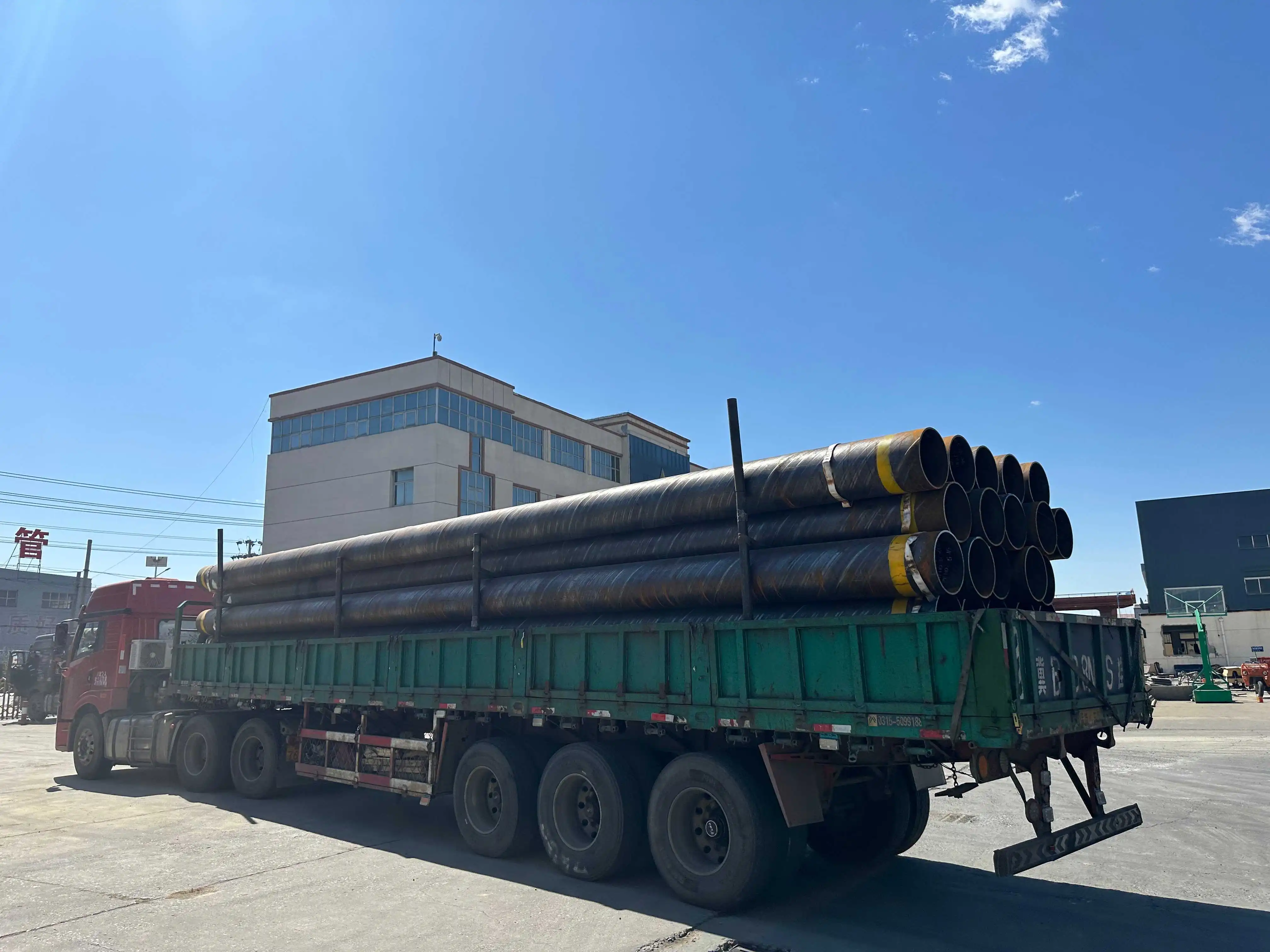
Understanding ASTM A53 Steel Pipe Specifications
Selecting the right pipe specification starts with understanding what sets ASTM A53 apart from other carbon steel standards. This specification covers pipes manufactured through multiple processes, each offering distinct characteristics suited to different project demands.
Manufacturing Methods and Their Impact on Performance
The standard recognises a number of different ways to make things. Electric Resistance Welded (ERW) pipes are made by shaping flat steel plates into cylinders and using electric resistance to join along the seam. This method gives great consistency in dimensions and is cost-effective for big jobs. Seamless (SMLS) pipes are made by hot-piercing solid billets instead of welding them together. This makes the walls uniformly thick and gives the pipes better pressure-handling abilities. Spiral Submerged Arc Welded (SSAW) pipes have a helix seam that is made by winding steel coils in a spiral shape and welding them together using submerged arc methods. This makes them perfect for use with a large diameter. Longitudinal Submerged Arc Welded (LSAW) pipes are made by welding plates together along their length. They are very strong and can be used in high-pressure situations. These differences in how the pipes are made let procurement teams fit the pipe's properties exactly to the needs of the project, whether the goal is to save money or keep the structure as strong as possible.
Grade Differences That Matter for Your Project
There are different grades of ASTM A53 pipes, but Grade B is the most popular choice for industrial and construction uses. Grade A has a minimum tensile strength of 330 MPa (48,000 psi) and a minimum yield strength of 205 MPa (30,000 psi), making it good for most low-pressure uses. With a minimum tensile strength of 415 MPa (60,000 psi) and a yield strength of 240 MPa (35,000 psi), Grade B has better mechanical qualities and can be used for moderate-pressure services and structural purposes. The molecular makeup is a little different between grades. Grade B has just the right amount of carbon, manganese, phosphorus, and sulphur to make it easier to weld and shape. This mix has a direct effect on how the pipe acts while it is being made, installed, and used.
Dimensional Ranges and Customization Options
The standard allows for a wide range of sizes to meet the needs of ASTM A53 Steel Pipe different projects. Outside diameters can be anywhere from 10.3 mm to an impressive 7000 mm, which means they can be used for small utility lines or huge infrastructure conduits. You can choose wall thicknesses between 0.8 mm and 230 mm, which lets you perfectly fit structural needs and pressure ratings. Standard lengths go up to 100 meters, which cuts down on the number of joints needed for long runs and speeds up the fitting process. Engineers can make the best use of materials while still meeting design requirements thanks to this dimensional freedom. Most suppliers have standard schedules like Schedule 40 that can be quickly delivered for jobs that need to be done on time. To meet specific needs, custom dimensions can be made, but they usually come with longer wait times and higher minimum order quantities.
Applications of ASTM A53 Welded Steel Pipes in Construction and Industry
The broad acceptance of this specification across industries stems from its balanced combination of mechanical properties, availability, and cost-effectiveness. Understanding where these pipes excel helps project teams leverage their strengths while recognizing situations where alternatives might be preferable.
Structural and Foundation Engineering Applications
In building projects, these lines do more than just carry fluids; they also play important structural roles. To keep workers safe on the job site, scaffolding systems depend on how strong they are for how much weight they can support. Pipe pile foundations use bigger metal pipes that are driven into soft ground or water to move building loads to more stable layers. We've seen this use be especially helpful in coastal projects and bridge building, where regular foundations don't work well. These pipes are often used in the structural framing of industrial buildings, platforms, and supports because they come in large sizes and can be connected in standard ways. Because the material is flexible, it can handle impact loads and vibrations without breaking easily. This is an important property for buildings in seismic zones and areas with a lot of traffic.
Industrial Process and Utility Systems
Pipes that carry process fluids, utilities, and safety systems must be reliable in factories, refineries, and chemical plants. Materials that are good at resisting rust, withstanding high pressures, and being easy to weld are needed in these settings. For low to middling pressure steam distribution systems, Grade B pipes with a wall thickness of Schedule 40 are often used. These pipes are strong enough and don't cost too much for large network installations. The standard calls for pressure testing and an optional galvanised coating on water supply lines for fire protection, sanitation, and cooling in factories. These pipes are used for distribution networks by compressed air systems in factories. They are smooth on the inside and the same size all the way through. These pipes are used for natural gas distribution inside a building, as long as the pressure ratings meet system needs and local laws allow them to be used.
Infrastructure and Municipal Projects
Government departments and local governments like this specification because it has been used for a long time and follows the rules. These pipes are used a lot in water treatment plants for chemical feed lines, treated water distribution heads, and systems that take in raw water. They are used in wastewater treatment plants for non-corrosive tasks where cost and longevity are more important than using unusual materials. Their structural abilities are important for transportation building projects like highway drainage systems, bridge utilities, and tunnel ventilation. There are galvanised options that make outdoor installations that are subject to changes in temperature and moisture last longer. Urban development projects like that the specification is widely known by contractors and inspectors, ASTM A53 Steel Pipe, which speeds up the approval process and cuts down on building delays caused by material substitutions.
HVAC and Building Mechanical Systems
These pipes are used in the mechanical systems of commercial and educational buildings. They are often used in heating water loops, chilled water loops, and refrigerant piping where the temperatures and pressures are within their range. Because the material is thermally conductive, it needs to be properly insulated in HVAC uses to keep heat from moving or being lost. The larger diameters that are offered under this specification are used in condenser water systems that connect cooling towers to chillers. Galvanised versions are often used in building sprinkler systems to keep internal corrosion from happening in wet-pipe setups. Mechanical contractors are familiar with the standard, and many suppliers keep it in stock, which helps keep project schedules on track.
ASTM A53 vs Alternative Steel Pipes: Making the Right Choice
Navigating the landscape of pipe specifications requires understanding how different standards address specific challenges. While ASTM A53 serves many applications admirably, recognizing its limitations guides appropriate material selection.
Comparing ASTM A53 with ASTM A106 Seamless Pipes
ASTM A106 covers seamless carbon steel lines that are made to work at high temperatures. Since there are no welded seams, there are no weak spots that could happen in harsh situations. The chemicals that make up A106 Grade B have slightly different amounts of carbon and manganese that are best for keeping their strength at high temperatures. When temperatures in the process go above 400°F or when dependability is very important, A106 seamless pipes are worth the extra cost. On the other hand, A53 welded pipes are better for uses that are at room temperature and have moderate pressures. When making decisions about what to buy, people should compare the real service conditions to the difference in cost. They shouldn't over-specify, which puts a strain on budgets without improving performance significantly.
Evaluating API 5L for Pipeline Applications
API 5L talks about line pipes, especially for moving oil and natural gas. This standard calls for more stringent chemical composition controls and impact tests than A53. Long unsupported spans, cyclic pressure loading, and the possibility of being exposed to sour gas environments are all parts of pipeline work. API 5L grades like X52, X60, and X70 are stronger than A53 Grade B, which means that walls can be smaller or pressures can be higher. API 5L has stricter rules for traceability and documentation than A53. This helps integrity management programs run smoothly throughout the whole pipeline lifecycle. A53 is the most cost-effective choice for in-plant applications because facility piping and distribution systems don't need these extra standards very often.
Galvanized Versus Black Pipe Selection
There are both black and hot-dipped galvanised choices in the specification, so it can be used in a variety of corrosion-prone areas. When steel is galvanised, a zinc coating is formed that is metallurgically linked to the steel. This coating protects the steel by both blocking corrosion and acting as a cathode. This extra protection is good for outdoor setups, buried lines in non-aggressive soils, and systems that get wet. Black pipe works well in dry indoor settings, painted structural uses, and places where galvanising could get in the way of later steps like coating or welding. The galvanising process costs more and takes longer, but it makes the product last a lot longer in acidic environments. When comparing choices, lifecycle cost analysis should take into account how often the system needs to be fixed or replaced and how long it is down. In some places, galvanised pipe is required for certain uses, like home water systems, ASTM A53 Steel Pipe, so following the rules is important.
Procurement Guide: How to Buy ASTM A53 Steel Pipe Efficiently
Strategic sourcing of steel pipes requires more than identifying the lowest price. Successful procurement balances cost, quality assurance, delivery reliability, and supplier relationship development to support both immediate project needs and long-term business objectives.
Verifying Supplier Credentials and Quality Systems
Manufacturers with a good reputation keep certifications that show they are dedicated to quality and stability. Having ISO 9001 certification means that you have set up quality management systems that cover the planning, production, and delivery processes. Membership in ASTM International and API monogram programs shows that you are actively involved with business standards. Ask for mill test reports (MTRs) that prove the chemical make-up and mechanical properties of each production lot. These reports show where something came from and make sure it meets the standards of the specification. Third-party inspection services can watch tests and check paperwork before sending goods, which lowers the chance of getting bad goods. Established suppliers are used to being inspected and keep good ties with inspection groups. It takes more than one transaction to build trust with suppliers. By visiting manufacturing sites, you can see for yourself what they can do and show that you are committed to the relationship. Finding out how much they can produce, how they handle goods, and how they check for quality helps you decide how reliable they are for future projects. How quickly communication is during the inquiry phase is often a good indicator of how well it will work during order fulfilment. It's more useful than just getting prices from suppliers who ask detailed questions about the needs of the program and offer technical advice.
Understanding Pricing Structures and Order Requirements
The price of steel pipes changes based on the cost of raw materials, how full the production capacity is, and how the world market is moving. To accurately compare suppliers, you should ask for specific quotes that list base material, processing fees, coatings, testing, packaging, and freight. Minimum order numbers (MOQs) are different for each manufacturer and product. Because they are made all the time, commodity sizes like Schedule 40 Grade B in standard diameters usually have lower MOQs. For custom sizes, special testing, or unique coatings, you may need a certain number of items to support dedicated production runs. Meeting MOQs and getting better prices per unit can be done by combining requirements from multiple projects. Payment terms are based on trust and operating capital. Letters of credit or advance payments are often used to start new supply relationships. As the relationship grows, net terms are used instead. Making promises to buy a lot of goods at once for multiple shipments may help you get better prices and make sure that you have enough capacity during times of high demand. Flexible delivery schedules help project managers deal with storage issues and cash flow issues, and they also make sure that materials are available when building schedules require them.
Logistics and Documentation Considerations
When you buy something from another country, things like shipping, clearing taxes, and importing rules become more complicated. Knowing Incoterms like FOB, CIF, and DDP makes it clear who is responsible for insurance, freight costs, and risk transfer. Container shipping is best for small orders and mixed cargo, while bulk ships are the most cost-effective way to ship large amounts of a single product. The last mile of delivery to job sites is done by domestic train or truck. By planning delivery times around building schedules, you can avoid demurrage and storage fees and make sure materials arrive when crews are ready to install them. The right paperwork makes customs clearance easier and shows that you're following the rules in your area. The basic paper package is made up of commercial invoices, packing lists, bills of lading, and certificates of origin. Quality is guaranteed by mill test results, material certifications, and third-party inspection certificates. In some places, products need to have country-of-origin labels or special test documentation. By making these needs clear during the quotation part, you can avoid delays and extra costs during shipment.
Conclusion
Welded steel pipes that are ASTM A53 continue to show their worth in building and industry around the world. Their standard allows for different ways of making things, like ERW, SMLS, SSAW, and LSAW, and covers diameters from 10.3 mm to 7000 mm and wall thicknesses from 0.8 mm to 230 mm. There are different strength needs for Grade A and Grade B options, and black and galvanised finishes work better in different environments. Knowing how these lines compare to other options like ASTM A106 and API 5L lets you choose the right material. To do good procurement, you need to check the qualifications of suppliers, understand how prices work, and carefully handle logistics. When specified, sourced, and installed correctly according to project needs, these pipes work consistently.
FAQ
1. What distinguishes Grade A from Grade B in ASTM A53 pipes?
Grade B offers superior mechanical properties compared to Grade A, with a minimum tensile strength of 415 MPa versus 330 MPa and a yield strength of 240 MPa versus 205 MPa. This higher strength makes Grade B preferable for structural applications and moderate-pressure services. Grade B represents the most commonly specified grade in contemporary construction and industrial projects due to its enhanced performance characteristics.
2. Can welded ASTM A53 pipes handle high-pressure applications?
ASTM A53 pipes are designed primarily for low to moderate-pressure services. Type E (ERW) pipes suit moderate pressures, while Type S (seamless) variants handle higher pressures more effectively due to the absence of welded seams. Applications exceeding the pressure ratings should consider specifications like ASTM A106 or API 5L that address high-pressure service explicitly. Proper engineering analysis, matching pipe schedule, diameter, and grade to actual operating conditions, ensures safe operation.
3. How does corrosion resistance compare between ASTM A53 and API 5L pipes?
Both specifications cover carbon steel with similar base corrosion resistance. API 5L includes grades with controlled chemistry for sour service environments containing hydrogen sulfide. ASTM A53 offers hot-dipped galvanizing for enhanced atmospheric corrosion protection. Application environment and exposure conditions dictate which specification and surface treatment provide adequate service life. Proper coating systems extend the performance of either specification in aggressive environments.
Partner with HYPILE for Premium ASTM A53 Steel Pipe Supply
HYPILE brings 45+ years of integrated piling and foundation engineering expertise to your most demanding infrastructure projects. As a trusted ASTM A53 Steel Pipe manufacturer, we deliver comprehensive solutions encompassing material supply, precision fabrication, protective coatings, and engineering support. Our manufacturing capabilities span ERW, SMLS, SSAW, and LSAW processes, producing pipes from 10.3 mm to 7000 mm in diameter in Grades A, B, and C. We maintain an extensive inventory of Schedule 40 Grade B pipes for immediate delivery while accommodating custom specifications for specialized applications. Our "BUILD TO THE LAST" philosophy ensures uncompromising quality and structural integrity across every project. Contact our technical team at sales@hypile.com to discuss your requirements with an experienced ASTM A53 Steel Pipe supplier committed to your project success.
References
1. American Society for Testing and Materials. (2018). Standard Specification for Pipe, Steel, Black and Hot-Dipped, Zinc-Coated, Welded and Seamless. ASTM International, West Conshohocken, PA.
2. Chen, W. F., & Duan, L. (2014). Bridge Engineering Handbook: Construction and Maintenance. CRC Press, Boca Raton, FL.
3. Gaylord, E. H., Gaylord, C. N., & Stallmeyer, J. E. (1992). Design of Steel Structures. McGraw-Hill, New York, NY.
4. McAllister, E. W. (2013). Pipeline Rules of Thumb Handbook: A Manual of Quick, Accurate Solutions to Everyday Pipeline Engineering Problems. Gulf Professional Publishing, Houston, TX.
5. Nayyar, M. L. (2000). Piping Handbook. McGraw-Hill, New York, NY.
6. Revie, R. W., & Uhlig, H. H. (2008). Corrosion and Corrosion Control: An Introduction to Corrosion Science and Engineering. John Wiley & Sons, Hoboken, NJ.
Have a project in mind? Tell us your goals — we’ll help you make it real.