- English
- French
- German
- Portuguese
- Spanish
- Russian
- Japanese
- Korean
- Arabic
- Greek
- German
- Turkish
- Italian
- Danish
- Romanian
- Indonesian
- Czech
- Afrikaans
- Swedish
- Polish
- Basque
- Catalan
- Esperanto
- Hindi
- Lao
- Albanian
- Amharic
- Armenian
- Azerbaijani
- Belarusian
- Bengali
- Bosnian
- Bulgarian
- Cebuano
- Chichewa
- Corsican
- Croatian
- Dutch
- Estonian
- Filipino
- Finnish
- Frisian
- Galician
- Georgian
- Gujarati
- Haitian
- Hausa
- Hawaiian
- Hebrew
- Hmong
- Hungarian
- Icelandic
- Igbo
- Javanese
- Kannada
- Kazakh
- Khmer
- Kurdish
- Kyrgyz
- Latin
- Latvian
- Lithuanian
- Luxembou..
- Macedonian
- Malagasy
- Malay
- Malayalam
- Maltese
- Maori
- Marathi
- Mongolian
- Burmese
- Nepali
- Norwegian
- Pashto
- Persian
- Punjabi
- Serbian
- Sesotho
- Sinhala
- Slovak
- Slovenian
- Somali
- Samoan
- Scots Gaelic
- Shona
- Sindhi
- Sundanese
- Swahili
- Tajik
- Tamil
- Telugu
- Thai
- Ukrainian
- Urdu
- Uzbek
- Vietnamese
- Welsh
- Xhosa
- Yiddish
- Yoruba
- Zulu
Foundation Support Systems: Integrating Sheet Pile Shoring for Maximum Stability
Foundation support systems are what keep buildings stable, and sheet pile shoring is becoming an important part of projects that need to keep the dirt in place and support excavations. Sheet pile shoring is the process of driving steel or composite piles into the ground so that they fit together and form a wall that stops groundwater flow and resists lateral earth pressure. This method has changed the way engineers do deep digs, naval building, and infrastructure projects by making structures more stable while still being cost-effective and good for the environment.
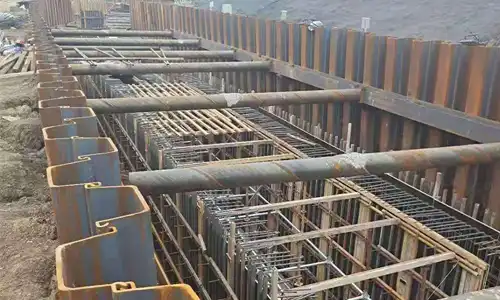
Understanding Sheet Pile Shoring in Foundation Support
Fundamental Principles of Steel Sheet Pile Systems
Interlocking steel sheet piles work by distributing side loads and stabilizing the ground in a very complex way. When pushed into the ground, these designed steel pieces form a continuous wall that uses the depth of the embedment and the power of the structure to overcome dirt resistance. The overlapping design lets rocks next to each other work together, spreading the wall system's horizontal earth and hydraulic forces across the whole thing instead of putting all the weight on a few parts.
Modern sheet pile systems are made with high-strength steel shapes that are made to handle big bending moments while still keeping the structure's stability in tough soil. When there are soft grounds, high groundwater levels, or deep digs, these systems work great. Using standard digging methods would be very dangerous in these situations.
Material Types and Engineering Applications
Steel sheet piles are the most popular type of footing support because they last a long time and can hold a lot of weight. High-grade steel buildings can withstand horizontal forces and be adjusted to meet the needs of different projects. Steel systems work especially well in naval settings, where galvanization protects against rust and ensures long-term performance.
Composite and vinyl options are used in certain situations where the climate or short-term installs are most important. But steel is still the best choice for long-term installations and heavy-duty uses because it has better engineering qualities and has been used successfully in tough building settings in the past.
Load Transfer Mechanics and Structural Integration
To make sheet pile systems work, you need to know how the load moves between the pile wall, the dirt around it, and the supports that hold it up. Below the level of the excavation, lateral earth pressures cause passive soil resistance to kick in. Above the level of the excavation, active pressures send loads to the pile wall. This balance makes a steady system that can hold deep tunnels and keep nearby buildings safe.
Adding other base parts, like tie-back bolts, internal bracing, or waler systems, makes the structure more stable and able to hold more weight. With these extra systems working with the main sheet pile wall, they can handle heavier loads on the sides and add more safety for important situations.
Comparing Sheet Pile Shoring with Other Foundation Support Methods
Structural Advantages Over Traditional Methods
When looking at different ways to support a base, sheet pile shoring systems are clearly better than common options like soldier pile walls, soil nail systems, or cast-in-place concrete supporting structures. The continuous wall design gets rid of possible weak spots between separate parts and provides better water control, which is important for below-grade buildings.
Another big benefit is that it is easier to install than drilled pier systems or cast-in-place options. This is because the current vibration driving equipment makes deployment faster. This speed benefit directly leads to shorter project timelines and lower total building costs. This is especially important for infrastructure projects that need to be done quickly.
Steel sheet piles are much more cost-effective than single-use options because they can be used more than once. Sheet pile systems are great for temporary trench support or staged building projects because they can restore a lot of material value through careful removal and restoration.
Decision Criteria for Method Selection
Different foundation funding methods are chosen based on factors that are unique to each project. The main factor is the soil. Sheet pile systems work best in areas with high groundwater levels and sands that stick together. Sheet piles are necessary for below-grade building in difficult hydrogeological situations because they can reliably stop the flow of water.
In cities, where there isn't a lot of room for big mining hills that could damage nearby homes or infrastructure, sheet pile options are often the best option. When compared to sloped dig systems, the vertical installation plan takes up less room while giving the same amount of or more horizontal support.
The type of method used depends on the load needs and the depth of the dig. Sheet pile systems can handle large horizontal loads with the right design of embedment and bracing. Deep trenches can benefit from the structural economy and water control that come with installing sheet piles correctly.
Best Practices and Design Considerations for Effective Sheet Pile Shoring
Engineering Design Parameters and Safety Standards
To make a good sheet pile plan, you need to do a full geological study to find out about the soil's properties, the groundwater level, and any possible building problems. Soil properties like cohesion, friction angle, and unit weight have a direct effect on horizontal earth pressure estimates and the lengths that need to be drilled. The hydrogeological factors affect the seepage effects and the form of walls used to control water.
Load capacity estimates have to take into account a number of different loading events, such as building loads, the effects of nearby structures, and the movement caused by construction activities. Modern building rules explain in detail how to use lateral earth pressure theories and what safety factors are needed for various levels of project risk.
Here are the most important design factors that guarantee the best performance:
- Soil Analysis Needed: A full geotechnical study must be done, including normal puncture testing, lab analysis of soil samples, and groundwater tracking, in order to set design guidelines and find possible building problems.
- Load Distribution Calculations: A thorough study of horizontal earth pressures, hydraulic forces, extra loads, and dynamic effects to figure out the pile sections and embedment levels needed for safety reasons.
- Water Control Systems: These include filtration systems, joint sealing materials, and draining systems that work together to control groundwater flow and keep the work area dry during the building stages.
- Support and Bracing Systems: Creating internal bracing, tie-back braces, or waler systems to add extra side support for deeper holes or situations with heavier loads that need more security.
These parts of the design work together to make strong base support systems that can handle tough building sites and keep their structural stability over time.
Installation Procedures and Quality Assurance
Modern construction methods focus on accuracy and speed while causing as little damage as possible to the environment. When compared to impact driving methods, vibratory driving tools allow for more controlled installation with less noise and ground shaking. This method works especially well in cities where building work needs to cause as little trouble as possible for nearby homes and businesses.
As part of quality assurance during installation, the orientation of the piles, their entry rates, and their driving resistance are constantly checked to see if there are any problems or changes in the soil conditions. Real-time adjustment features let workers change installation settings to reach certain embedment levels and keep the right pile spacing throughout the wall system.
Advanced tracking systems keep an eye on how much the walls bend, the sheet pile shoring, the amount of groundwater, and the moves of structures nearby to make sure that performance stays within acceptable limits during the building stages. This data-driven method lets you respond quickly to changing circumstances and keeps track of how the system is working so you can look back on it later.
Procurement Guide: Selecting and Hiring Sheet Pile Shoring Services
Supplier Evaluation Criteria and Certification Requirements
Successful procurement of sheet pile systems requires careful evaluation of supplier capabilities, product quality, and service support. Manufacturing certifications, including ISO quality standards, structural steel fabrication certifications, and product testing documentation, provide essential verification of material properties and manufacturing processes.
Project experience represents a crucial evaluation criterion, with preference given to suppliers demonstrating successful completion of similar projects in comparable soil conditions and construction environments. Case study documentation, client references, and photographic evidence of completed installations provide valuable insights into supplier capabilities and project execution quality.
Technical support capabilities, including design assistance, installation guidance, and troubleshooting support, can significantly impact project success. Suppliers offering comprehensive engineering services and on-site technical support provide additional value beyond basic material supply, particularly beneficial for complex or challenging installation conditions.
Cost Analysis and Budget Management Strategies
Sheet pile procurement involves multiple cost components, including material supply, transportation, installation services, and potential rental arrangements for temporary applications. Understanding these cost elements enables accurate project budgeting and value engineering opportunities to optimize overall project economics.
Material costs vary based on pile section requirements, steel grades, protective coatings, and order quantities. Bulk purchasing arrangements and long-term supply agreements can provide cost advantages for large projects or multi-phase construction programs. Transportation costs become significant for remote project locations or when specialized handling equipment is required for delivery and material handling.
Installation costs depend on site access conditions, soil characteristics, required equipment mobilization, and project schedule requirements. Competitive bidding among qualified contractors ensures market-appropriate pricing while maintaining quality standards. Rental arrangements for temporary installations can provide cost advantages compared to material purchase when sheet piles will be removed upon project completion.
Global Suppliers and Service Providers
The sheet pile industry includes established manufacturers with global reach and specialized regional suppliers serving local markets. Major suppliers typically offer comprehensive product lines, including various pile sections, accessories, and related foundation products backed by extensive technical support and worldwide distribution networks.
Regional suppliers often provide advantages in terms of reduced transportation costs, local market knowledge, and specialized experience with regional soil conditions and construction practices. Evaluation of supplier capabilities should balance global resources with local service capabilities to optimize project support throughout construction phases.
Case Studies and Success Stories: Maximizing Stability through Sheet Pile Shoring
Infrastructure Project Applications
Large-scale infrastructure projects demonstrate the versatility and effectiveness of integrated sheet pile shoring systems across diverse applications. Highway construction projects utilize sheet pile walls for bridge abutments, cut slope stabilization, and temporary excavation support during utility relocations. These applications showcase the ability to maintain traffic flow while providing safe working conditions for below-grade construction activities.
Port and marine facility construction relies heavily on sheet pile systems for wharf construction, dry dock installations, and waterfront development projects. The combination of structural capacity, water control capabilities, and corrosion resistance makes steel sheet piles ideal for harsh marine environments where long-term durability is essential.
Urban development projects benefit from the space-efficient characteristics of sheet pile walls when constructing underground parking structures, utility tunnels, and basement excavations in constrained city environments. The ability to install vertical walls adjacent to property lines maximizes usable space while protecting neighboring structures from excavation-related impacts.
Performance Metrics and Measurable Outcomes
Successful sheet pile installations demonstrate measurable improvements in project safety, schedule performance, and cost control compared to alternative foundation support methods. Safety metrics include reduced excavation-related incidents, improved worker protection, and elimination of slope stability concerns common with traditional excavation methods.
Schedule benefits result from faster installation compared to cast-in-place alternatives, reduced weather sensitivity, and the ability to proceed with construction activities immediately upon installation completion. These time savings translate to reduced indirect costs and earlier project completion dates.
Cost performance includes both direct material and installation savings as well as indirect benefits from reduced excavation volumes, elimination of temporary slope construction, and improved water control, reducing dewatering requirements. Life-cycle cost analysis often favors sheet pile systems due to reusability potential and reduced maintenance requirements compared to other retaining system alternatives.
Conclusion
Foundation support systems incorporating sheet pile shoring provide essential stability for modern construction projects across infrastructure, marine, and urban development applications. The integration of high-strength steel sheet piles offers superior lateral support, reliable water control, and cost-effective solutions for challenging soil conditions and deep excavations. Engineering professionals benefit from understanding the fundamental principles, design considerations, and procurement strategies that ensure the successful implementation of these critical foundation support systems.
FAQ
1. What soil conditions are best suited for sheet pile installation?
Sheet pile systems perform excellently in cohesive soils such as clay and silt, as well as mixed soil conditions with moderate to high groundwater levels. Dense granular soils may require pre-drilling or jetting assistance during installation, while very soft soils might need additional bracing support to achieve design performance.
2. How do sheet pile walls compare in terms of environmental impact?
Steel sheet pile systems offer significant environmental advantages through their reusability, reduced excavation requirements, and elimination of concrete waste associated with cast-in-place alternatives. The temporary or permanent installation flexibility allows material recovery and reuse across multiple projects, reducing the overall environmental footprint.
3. What factors influence the selection of sheet pile section sizes?
Section selection depends on lateral load requirements, excavation depth, soil properties, and required embedment depth. Higher loads and deeper excavations require stronger sections with greater moment capacity, while lighter applications may utilize more economical sections to optimize project costs.
Partner with HYPILE for Superior Sheet Pile Shoring Solutions
HYPILE delivers comprehensive foundation engineering solutions backed by 45+ years of group expertise in manufacturing and installing high-performance sheet pile systems. Our "BUILD TO THE LAST" philosophy ensures every project receives premium-grade materials and expert installation services designed for maximum stability and long-term durability. As a leading sheet pile shoring manufacturer and supplier, we provide complete turnkey solutions from material supply through final installation, supported by advanced protective coatings and precision fabrication capabilities. Contact our engineering team at sales@hypile.com to discuss your foundation support requirements and discover how our integrated approach can enhance your project's safety, efficiency, and overall success.
References
1. American Society of Civil Engineers. (2017). Design and Installation of Sheet Pile Structures in Geotechnical Engineering Applications. ASCE Press.
2. Brown, David A., et al. (2019). Foundation Engineering Handbook: Sheet Pile Design and Construction Methods. McGraw-Hill Professional.
3. European Committee for Standardization. (2018). Steel Sheet Piling: Design Standards and Installation Guidelines for Foundation Support Systems. CEN Publications.
4. International Association of Foundation Drilling. (2020). Best Practices for Deep Excavation Support Using Interlocking Sheet Pile Walls. ADSC Press.
5. Naval Facilities Engineering Command. (2016). Foundation and Earth Structures: Sheet Pile Retaining Walls Design Manual. U.S. Department of Defense.
6. Thompson, Sarah K., and Michael J. Chen. (2021). Sustainable Foundation Systems: Environmental and Economic Benefits of Reusable Sheet Pile Applications. Journal of Construction Engineering and Management, Vol. 147, Issue 8.
Have a project in mind? Tell us your goals — we’ll help you make it real.