- English
- French
- German
- Portuguese
- Spanish
- Russian
- Japanese
- Korean
- Arabic
- Greek
- German
- Turkish
- Italian
- Danish
- Romanian
- Indonesian
- Czech
- Afrikaans
- Swedish
- Polish
- Basque
- Catalan
- Esperanto
- Hindi
- Lao
- Albanian
- Amharic
- Armenian
- Azerbaijani
- Belarusian
- Bengali
- Bosnian
- Bulgarian
- Cebuano
- Chichewa
- Corsican
- Croatian
- Dutch
- Estonian
- Filipino
- Finnish
- Frisian
- Galician
- Georgian
- Gujarati
- Haitian
- Hausa
- Hawaiian
- Hebrew
- Hmong
- Hungarian
- Icelandic
- Igbo
- Javanese
- Kannada
- Kazakh
- Khmer
- Kurdish
- Kyrgyz
- Latin
- Latvian
- Lithuanian
- Luxembou..
- Macedonian
- Malagasy
- Malay
- Malayalam
- Maltese
- Maori
- Marathi
- Mongolian
- Burmese
- Nepali
- Norwegian
- Pashto
- Persian
- Punjabi
- Serbian
- Sesotho
- Sinhala
- Slovak
- Slovenian
- Somali
- Samoan
- Scots Gaelic
- Shona
- Sindhi
- Sundanese
- Swahili
- Tajik
- Tamil
- Telugu
- Thai
- Ukrainian
- Urdu
- Uzbek
- Vietnamese
- Welsh
- Xhosa
- Yiddish
- Yoruba
- Zulu
Exploring the Benefits of ASTM A53 Steel Pipe for Plumbing Systems
ASTM A53 steel pipe is essential for industrial plumbing. Large US construction projects, energy plants, and business buildings require this. Project managers and procurement specialists must choose the right pipe standard for fire suppression, water distribution, and gas transmission systems. It affects system lifespan, safety, and project cost. This guide details ASTM A53 steel pipe specifications, including how they are made, the materials used, their mechanical performance, and their uses. Help is also available for business-to-business buyers of pipes for infrastructure, city, and industrial engineering projects. Engineering directors and procurement managers must understand these technical and business factors to choose piping solutions that work well, follow strict rules, and support long-term operational efficiency in tough plumbing situations.
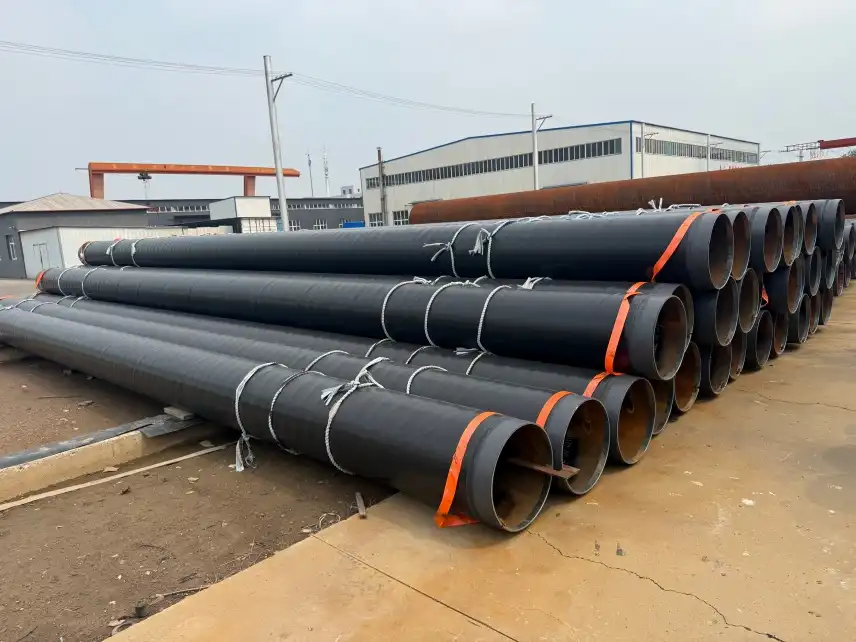
Understanding ASTM A53 Steel Pipe Specifications and Properties
Manufacturing Methods and Pipe Types
Seamless (Type S), electric resistance (Type E), or furnace-welded (Type F) ASTM A53 steel pipes are available. SMLS seamless pipes are stronger for high-pressure energy plants and factories because they have no weld seams. ERW can make long welds in electric-resistance-welded pipes. In commercial plumbing systems with moderate pressure, these welds are reliable and cost-effective. For larger diameter pipes, LSAW and SSAW are used. Outer dimensions are 10.3 mm to 7000 mm, and wall thickness is 0.8 mm to 230 mm. This range fits everything from small home water lines to massive petrochemical plant pipes.
When procurement teams understand how seamless and welded versions are made, they can match product specs to project pressure and budget. Seamless versions are more expensive but best for connecting critical infrastructure.
Material Grades and Mechanical Properties
Each of grades A, B, and C has better mechanical properties than the last. Grade B is the most popular choice for buying from another business because it's strong and cheap. This grade has a minimum yield strength of 240 MPa and tensile strength of 415 MPa (60,000 psi). This makes it suitable for most commercial and industrial plumbing applications. Grade A has 330 MPa tensile and 205 MPa yield strength. This makes it better for light-duty uses where cost trumps pressure.
Chemical composition standards affect pipe performance. Carbon levels range from 0.25% to 0.30%, and manganese can reach 0.95%. Manganese makes the metal weldable and rust-resistant. Sulphur and phosphorus remain at 0.045% and 0.05%, respectively. Minimise impurities that could weaken the structure.
Dimensional Standards and Tolerances
Plumbing parts, valves, and connection systems must match sizes to work together. ASTM A53 steel pipe schedule 40 pipes are typical for business use. They all have the same wall thickness, making installation planning easier and reducing field issues. Since distribution runs can reach 100 metres, fewer joints are needed. This reduces water leaks and installation costs. Maintaining diameter tolerances within ±1% ensures compatibility with standard hardware and fittings. This reduces costly field changes that slow projects. This accelerates installation.
Advantages of ASTM A53 Steel Pipe in Plumbing Systems
Enhanced Durability and Pressure Capacity
To ensure they can withstand certain operating pressures throughout their use, ASTM A53 steel pipes undergo rigorous hydrostatic tests during production. This method ensures that each pipe segment can safely handle fire suppression systems, water networks, and gas transmission lines' hydraulic needs without breaking. With its natural strength, steel doesn't break during installation. It handles water hammer and pressure surges, common in commercial plumbing.
Thousands of infrastructure projects have shown that properly installed systems can last decades and remain structurally sound. It costs less over its lifetime because it requires less maintenance and can be replaced more often.
Corrosion Resistance Through Surface Treatment
A protective zinc coating makes hot-dip galvanised steel last longer in wet and corrosive environments. These conditions naturally rust steel. Galvanised ASTM A53 steel pipes work well outdoors, underground, and at sea because they are always wet. The zinc layer weakens by rusting faster to protect the steel substrate. Different types of black pipes can be used in coating or cathodic protection systems to prevent corrosion.
Advanced surface treatments by specialised suppliers make the surface more corrosion-resistant. Epoxy coatings and special galvanising can protect industrial facilities from harsh chemicals.
Mechanical Resilience and Shock Absorption
Heavy machinery, temperature changes, and random mechanical impacts can vibrate pipe systems on construction sites and factories. ASTM A53 steel pipes withstand these stresses better than other materials, which would break or crack. This shock-absorbing ability is useful in power plants, factories, and transportation infrastructure, where machinery vibrates constantly. Ductile steel bends without breaking under heavy loads. This provides a safety margin for the building and its workers.
Economic Value and Market Availability
A cost-benefit analysis shows that ASTM A53 steel pipes are one of the most affordable options for large plumbing jobs. The material is cheap because it is easy to get, supply chains are well-established, and production methods have been improved over time. Grade B and Schedule 40 configurations are easy to find in North America, so you can meet tight construction deadlines quickly. Bulk buying saves money on building projects. Standard specifications simplify bidding and increase delivery speed.
ASTM A53 steel pipe is cheaper than other steels and speciality alloys and works well in most commercial applications. Budget funds can be used for other project essentials.
Comparing ASTM A53 Steel Pipe with Other Pipe Standards
ASTM A53 versus ASTM A106
Both specifications can be used for industrial pipes, but ASTM A106 is better for high-temperature use, where thermal stress is important. The heat tolerance of A106 pipes is tested further. They also have stricter chemical rules, especially silicon content. They improve petrochemical and power plant steam and high-temperature process pipes.
ASTM A53 steel pipe can be used to weld or not to weld pipes. This gives them more options for normal plumbing jobs without extreme heat or cold. Purchase managers say ASTM A53 steel pipe specifications are sufficient for municipal water systems, building plumbing, and standard fire protection installations. They also avoid A106 material costs.
ASTM A53 versus API 5L
API 5L standards focus on field welding and break resistance. Oil and gas are transported by pipelines. These pipes undergo more tests to ensure they won't break. For better low-temperature performance, alloying elements may be added. Do this for long-distance transmission pipelines that would fail badly if they broke.
ASTM A53 steel pipe focuses on mechanical and pressure piping in buildings and facilities, where standard sizes, threading, and connections are important. The standard is used in plumbing and building codes, so business building projects use it. However, API 5L is only used for transmission pipeline tasks.
Welded versus Seamless Configuration Selection
You must consider cost and performance when choosing between welded and seamless ASTM A53 steel pipes. Seamless pipes have no longitudinal welds, so no weak spots. Strength is constant around the pipe. This consistency helps when there is a lot of pressure, complicated loading, or important systems that could cause safety or operational issues if they broke.
Welded electric resistance pipes are cheaper and work well for most business needs. Today, ERW manufacturing makes stronger welds than the base material, so welded pipes can be used for water distribution, drainage, and moderate-pressure gas lines. When projects must be completed quickly and cheaply, procurement teams usually choose welded versions, unless an engineering analysis shows pressure or stress conditions require seamless construction.
B2B Procurement Tips for ASTM A53 Steel Pipes
Quality Verification and Compliance Documentation
Better supplier evaluation and product inspection are the first steps to responsible procurement. Mill test certificates are important documents that show chemical composition, mechanical test results, and ASTM A53 steel pipe size. Every shipment of materials should include these certificates so the receiving teams can verify their authenticity before installation. Chemical analysis reports showing carbon, manganese, phosphorus, and sulphur levels within certain ranges indicate good quality and the ability to weld as required.
Ultrasonic and hydrostatic tests show the structure is strong and pressure-resistant. Buyer contracts should require detailed quality documentation and include material rejection clauses to protect buyers from substandard products. When you set these requirements upfront, you can avoid costly delays caused by subpar materials during installation.
Supplier Selection Criteria
You need to look beyond price for reliable manufacturers and distributors. ISO 9001 quality management systems and industry accreditations show that a supplier is committed to high-quality products. Past work on these projects shows you can meet real-world building, energy, and commercial space needs.
Production and stock determine delivery reliability. Big projects that require materials to be delivered in stages to match construction schedules need this. Closeness between warehouses affects transportation costs and lead times. Technical support assists with product specifications and use issues during design and installation.
Commercial Terms and Pricing Strategies
You must understand market prices, such as raw steel prices, factory space use, and seasonal demand, to negotiate good business terms. Suppliers have different minimum orders. Buy more, save more. Bulk purchases lower unit costs for large infrastructure projects. Blanket purchase agreements for multi-phase projects stabilise prices and prevent material shortages.
Buying contracts must state the amount due, delivery date, and logistics provider. The seller transfers title and risk to the buyer when? FOB terms state this. This alters liability and insurance requirements. In case of shipping or manufacturing delays, lead times should be extended, and late deliveries that disrupt construction schedules should be considered illegal.
Delivery costs for heavy steel items are dominated by transportation costs. Combining shipments, changing delivery volumes to maximise truck space, and scheduling deliveries around site readiness reduces storage and logistics costs.
Ensuring Optimal Performance: Installation and Maintenance of ASTM A53 Pipes
Installation Best Practices
Installing ASTM A53 steel pipes in good condition ensures a long-lasting system. Avoiding impact damage during unloading and positioning preserves the surface coating and stops stress risers that could cause early structure failure. Using the right cutting oils and sharp dies produces clean, complete, and sealable threads without much force during assembly. Too little or too much torque on threaded connections can cause stress and leaks. This is why torque specs matter for installers.
To connect steel, welders must follow standard procedures that account for steel's chemical makeup and wall thickness. Thicker-walled pipes won't crack if pre-heated, and post-weld heat treatment will lower residual stresses in important uses. Fit-up joints should be aligned to reduce stress and distribute load evenly across the piping system.
Maintenance and Inspection Protocols
Troubles can be caught early before they become costly or dangerous. Visual inspections for surface corrosion, coating wear, and mechanical damage help people fix small issues or apply a new coating quickly. Ultrasonic thickness testing on buried or hard-to-reach pipe segments can track corrosion. This helps you decide whether to repair or replace the system.
To ensure the system is intact and working properly after repairs or changes, it is pressure tested using ASTM A53 steel pipe. Asset managers can document inspection, maintenance, and test results to demonstrate compliance. Regular inspections based on how the system is used, how exposed it is to the environment, and what would happen if it broke will ensure it works as intended for as long as possible.
Conclusion
That stated, for plumbing in a variety of commercial and industrial infrastructure sectors, ASTM A53 steel pipe specifications are reliable and affordable. Water distribution networks, gas transmission systems, and fire protection infrastructure use these pipes because they are made using standard methods, have clear mechanical properties, and are readily available. Know the technical differences between grades, how they are made, and the performance needs of different applications to make smart buying decisions that balance low costs with long-term dependability. For a smooth implementation, read the documentation to ensure compliance. To ensure the system lasts and works well, follow the installation and maintenance steps.
FAQ
1. What distinguishes Grade A from Grade B ASTM A53 pipe?
Grade B has a minimum tensile strength of 60,000 psi, while Grade A has 48,000. Grade B ASTM A53 steel pipes are stronger and can handle higher operating pressures, giving you more room for error in tough situations. This makes them the best choice for most business and factory plumbing systems.
2. Can ASTM A53 pipes serve high-temperature plumbing applications?
After meeting commercial plumbing system temperature ranges, ASTM A53 steel pipes always work. When temperatures stay above 400°F for a long time, use ASTM A106. These specifications include rules for high temperatures in steam systems and process pipes.
3. How do I verify pipe quality before accepting shipment?
Request full mill test certificates that show chemical composition, mechanical test results, and material size and shape. Check the pipes' markings against the certification paperwork. An independent third-party inspection service may be useful for important purchases or projects where material quality affects success and safety.
Partner with HYPILE for Reliable Steel Pipe Solutions
Foundation engineering experience of over 45 years supports every steel pipe project HYPILE works on. They sell ASTM A53 Steel Pipe with the best quality and technical support. As a reliable ASTM A53 Steel Pipe manufacturer, we stock many Grade A, Grade B, and Schedule 40 seamless and welded pipes. This will help us finish projects on time. With our "BUILD TO THE LAST" philosophy, we guarantee strict quality control, full mill test certification, and low factory-direct prices to maximise your investment. Contact our business-to-business experts at sales@hypile.com to discuss your plumbing infrastructure needs, get full technical specs, or get bulk discounts for your next industrial or commercial project.
References
1. American Society for Testing and Materials. (2020). ASTM A53/A53M-20: Standard Specification for Pipe, Steel, Black and Hot-Dipped, Zinc-Coated, Welded and Seamless. West Conshohocken, PA: ASTM International.
2. McAllister, E. W. (Ed.). (2013). Pipeline Rules of Thumb Handbook: A Manual of Quick, Accurate Solutions to Everyday Pipeline Engineering Problems. Oxford: Gulf Professional Publishing.
3. Nayyar, M. L. (2019). Piping Handbook, 8th Edition. New York: McGraw-Hill Education.
4. Mohitpour, M., Golshan, H., & Murray, A. (2007). Pipeline Design and Construction: A Practical Approach, Third Edition. New York: ASME Press.
5. Revie, R. W. (Ed.). (2015). Oil and Gas Pipelines: Integrity and Safety Handbook. Hoboken, NJ: John Wiley & Sons.
6. American Water Works Association. (2017). Steel Pipe: A Guide for Design and Installation, Manual M11, Fifth Edition. Denver, CO: American Water Works Association.
Have a project in mind? Tell us your goals — we’ll help you make it real.