- English
- French
- German
- Portuguese
- Spanish
- Russian
- Japanese
- Korean
- Arabic
- Greek
- German
- Turkish
- Italian
- Danish
- Romanian
- Indonesian
- Czech
- Afrikaans
- Swedish
- Polish
- Basque
- Catalan
- Esperanto
- Hindi
- Lao
- Albanian
- Amharic
- Armenian
- Azerbaijani
- Belarusian
- Bengali
- Bosnian
- Bulgarian
- Cebuano
- Chichewa
- Corsican
- Croatian
- Dutch
- Estonian
- Filipino
- Finnish
- Frisian
- Galician
- Georgian
- Gujarati
- Haitian
- Hausa
- Hawaiian
- Hebrew
- Hmong
- Hungarian
- Icelandic
- Igbo
- Javanese
- Kannada
- Kazakh
- Khmer
- Kurdish
- Kyrgyz
- Latin
- Latvian
- Lithuanian
- Luxembou..
- Macedonian
- Malagasy
- Malay
- Malayalam
- Maltese
- Maori
- Marathi
- Mongolian
- Burmese
- Nepali
- Norwegian
- Pashto
- Persian
- Punjabi
- Serbian
- Sesotho
- Sinhala
- Slovak
- Slovenian
- Somali
- Samoan
- Scots Gaelic
- Shona
- Sindhi
- Sundanese
- Swahili
- Tajik
- Tamil
- Telugu
- Thai
- Ukrainian
- Urdu
- Uzbek
- Vietnamese
- Welsh
- Xhosa
- Yiddish
- Yoruba
- Zulu
Differences Between H-Beam and I-Beam Shoring: Which One is Right for Your Project?
How do you choose the best trench support system and finish the job? You need to know the main differences between H and I-Beam Shoring. Both use standard-sized pieces of high-strength structural steel, but they work in different ways because of how their joints are set up. When it comes to handling vertical loads, I-beam configurations are great. On the other hand, H-beam configurations with their wider ends are great for spreading loads horizontally and keeping the soil in place. The trench support choices you make will directly affect how safe the project is, how quickly it is put together, and how strong the structure will be in the long term in a number of building settings.
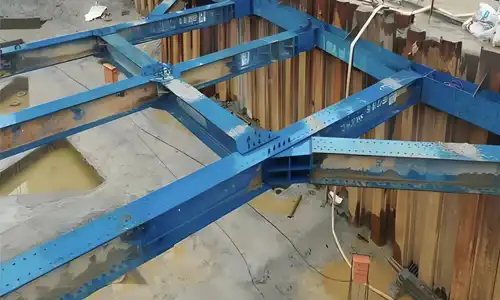
What Are H-Beam and I-Beam Shoring? Key Definitions and Functional Principles?
Procurement workers can make smart choices that meet the needs of a project when they understand the structural features and engineering principles of H-beam and I-beam shoring systems. Both systems are made from high-strength structural steel and are designed to have a higher bending moment capacity. However, their different cross-sectional forms give them different performance benefits in different building situations.
Modern shoring systems use wales and link systems that work with each other to make whole assemblies. These can be used again and again for both temporary mining support and permanent building needs. The tech behind these systems works on making the load-bearing performance as good as possible while keeping the installation and removal costs as low as possible.
Defining H-Beam Shoring: Structure and Working Mechanism
H-beam shoring systems are known for their unique wide base design, which makes them very stable when dirt pressure is applied from the side. The strong cross-section spreads weight both horizontally and vertically, which makes these systems especially useful in tough mining situations. When made from grade A steel or similar high-strength materials, H-beams are very resistant to bending, which is important for supporting heavy excavations and laying foundations.
When working in excavations, where side pressure from earth or nearby buildings could make the construction unstable, the wide flange shape is a huge help. Compared to smaller options, this shape greatly lowers the risk of warping. The structure's strength stays the same even when the dirt is different, from soft clay to thick, grainy materials. Installation teams like that the performance features can be predicted, which lets them do accurate load estimates and figure out the safety factor.
The system works because the applied forces are spread out over the larger flange area. This keeps stress accumulation to a minimum, which would otherwise cause the structure to fail. Because of this, H-beam systems are very useful for deep-dig jobs, where keeping the dirt in place gets harder as you go deeper.
Defining I-Beam Shoring: Structure and Load-Bearing Attributes
I-beam shoring is a simpler way to support a dig because it has smaller ends and thicker web sections that make it easier to handle vertical loads. The efficient load support of these systems is matched by their low weight, which makes them easier to move and set up. The skeletal form works great in situations where high strength-to-weight ratios are important for the project.
When I-beam layouts are designed, the vertical load capacity is given the most weight, but there are some limits to how much pressure can be applied laterally. When using these systems in different types of dirt, it is very important to pay close attention to load limits and displacement estimates. The smaller shape makes better use of materials while still providing good structural performance in the right situations.
When you compare I-beam systems to heavy options, you can see that they are easier to install because they are lighter and can be set up and used more quickly. The deeper web parts are great at transferring vertical loads, which makes these systems especially useful in situations where compression loads are stronger than side forces.
Comparison of H-Beam and I-Beam Shoring: Performance, Applications, and Safety
The differences in how well H- and I-beam shoring systems work show clear benefits that fit the needs of the building project and the conditions of the site. By knowing these differences, project managers can make sure that foreign building standards are followed while also improving safety and cutting costs.
Both systems are dependable and affordable ways to hold back dirt and brace deep excavations, but their technical benefits come from very different ways of managing loads. Choosing between methods is often based on which force is most likely to be present during the dig work.
Structural Differences and Load Capacity Analysis
Because their flanges are wider, H-beam systems usually have better lateral load protection. This makes them perfect for trenches where earth pressure creates strong horizontal forces. The bigger lips spread these loads out better, which lowers stress densities that could weaken the structure. Load capacity data constantly shows that H-beams work better in situations where there is a lot of horizontal pressure.
I-beam systems work best for vertical load uses because their smooth shape makes load movement more efficient while using less material. When the web parts are thicker, they create great compression while keeping the weight doable for installation tasks. Load capacity charts with lots of information about performance factors under different loads are helpful for procurement teams.
The mechanical qualities of both systems are based on what they are meant to do. For example, H-beams are more stable on the sides, while I-beams are better at managing vertical loads. By knowing these differences, you can choose a method that fits the needs of your project while still leaving enough room for error.
Application Scenarios: When to Choose H-Beam or I-Beam Shoring
Deep dig jobs that need strong side support usually choose H-beam setups because they keep the dirt in place better. These methods are especially useful for building in cities, where nearby buildings can cause extra problems with horizontal pressure. The bigger lip design gives you trust when working in difficult geological conditions, like when the ground is wet or the dirt is soft.
When it comes to situations where ease of placement and the ability to handle high loads are important, I-beam devices shine. Lighter beam designs often save time during installation, which is helpful for projects that need to get done quickly. The slim shape is also useful in tight areas where it's hard to get to tools.
Both methods can still be customized, and makers offer a wide range of thicknesses, ring widths, and lengths to fit the needs of different projects. This adaptability ensures that the best performance is achieved in a wide range of building tasks while keeping standard link systems.
Safety and Installation Best Practices
For both H-beam and I-beam installs, site preparation practices are still very important. Making sure the base is in the right place is key to transferring loads efficiently and keeping the system stable. When placing beams, methods must take into account the state of the dirt, buildings nearby, and expected loads during the digging process. Using secure binding methods and suitable link systems stops movement that could weaken the structure.
During the dig, the system's performance is checked regularly, with a focus on measuring movement and making sure connections are solid. Both systems have locking mechanisms and tracking features that make operations safer and give real-time feedback on how things are going. These safety-focused features are necessary to keep workers safe and keep the job on schedule.
Professional installation teams that know the right way to set up systems make sure they work well and reduce the risks that come with installation. Modern beam systems are easy to set up and take down, which cuts down on the time that people working in excavations are exposed.
Decision-Making Factors: Choosing the Right Beam Type for Your Project
Buyers have to think about many things before picking between H-beam and I-beam shoring systems. These include how much they cost, how hard they are to build, and how well they need to work over time. The things that make the job unique are what you need to decide. These could be how deep the dig is, how bad the dirt is, or how much time you have. You should also make sure that everyone follows the safety rules.
To pick the best beam, you need to know how each one works and how it compares to other ways to support the building. You should also know how much the whole job will cost. These days' beam systems are useful since they can be used for many tasks. They are worth more now because of this.
H-Beam Shoring vs Steel Props and Timber Shoring: Key Advantages
Even though they require a bigger initial investment, H-beam systems are more durable and can hold more weight than standard wood shoring options. The steel design gives stable performance even when the climate changes. This is different from wood systems, which can break down or shift when the amount of moisture changes. Long-term value is clear when something can be used more than once and performs as expected.
When working on big projects, H-beam systems can be put together faster than regular props or wooden frames, which makes the time savings during installation very important. Standardized link methods get rid of the need for manufacturing in the field and make sure that the quality of the assembly is always the same. When comparing the total costs of a project instead of just the original prices of materials, lifecycle factors show that the economics are in your favor.
The high bending moment capacity built into H-beam systems gives builders confidence gaps that come in handy when they run into unexpected soil conditions or loading situations. This dependability lowers the risk of the project while keeping the plan stability that procurement teams value in complicated building settings.
Evaluating I-Beam Shoring for Your Construction Needs
I-beam systems have strong benefits for projects that focus on operating flexibility and good return on investment figures. Because it's lighter, it's easier to move and handle, which is especially helpful for jobs where entry to the site is limited or crane capacity is limited. Gains in installation efficiency directly lead to chances to shorten the plan.
I-beam systems are flexible enough to work with complicated building processes where modular assembly methods allow for operating freedom. Standardized beam designs work well with digital building management systems, which let them do accurate tracking and placement optimization. These traits are appealing to freelancers who use advanced project management techniques.
Modern I-beam designs include safety-focused features like better locking systems and the ability to work with tracking devices that give real-time information on performance. This use of technology helps with strategic safety management in H- and I-beam shoring and lowers the cost of inspections over the course of the project.
Procurement Insights: How to Buy or Rent H-Beam and I-Beam Shoring Equipment?
Strategic sourcing of beam shoring equipment requires understanding global supply chains, quality standards, and pricing structures that impact total project economics. The marketplace offers various procurement models ranging from direct purchase to flexible rental arrangements that accommodate different project durations and capital allocation strategies.
Successful procurement decisions depend on evaluating supplier capabilities, delivery reliability, and technical support services that extend beyond basic equipment provision. The complexity of modern construction projects demands suppliers who can provide comprehensive solutions, including engineering support and installation guidance.
Market Overview of H-Beam and I-Beam Shoring Suppliers
The global market for beam shoring systems includes established manufacturers with proven track records in demanding construction environments. Regional suppliers often provide logistical advantages through reduced transportation costs and faster delivery schedules, while international manufacturers may offer specialized products for unique applications. Understanding geographic distribution patterns helps optimize supply chain efficiency while maintaining quality standards.
Key market players demonstrate capabilities spanning from standard product lines to custom fabrication services that address project-specific requirements. Supplier evaluation should consider manufacturing capacity, quality certifications, and technical support capabilities alongside pricing considerations. Long-term partnership potential becomes valuable for organizations managing multiple projects across extended timeframes.
The competitive landscape continues evolving with innovations in materials technology and manufacturing processes that enhance product performance while controlling costs. Staying informed about market developments enables procurement professionals to leverage emerging advantages while maintaining supplier relationship stability.
Pricing and Cost Considerations for Purchasing or Renting
Price benchmarks for beam shoring systems vary significantly based on specifications, quantity requirements, and delivery schedules. Purchase options typically provide better economics for organizations with consistent equipment utilization across multiple projects, while rental arrangements offer flexibility for occasional users or projects with uncertain duration requirements. Volume discount opportunities become available through consolidated purchasing strategies.
Rental terms often include maintenance and replacement provisions that reduce operational risk while providing access to newer equipment technologies. Flexible leasing arrangements can accommodate project scale variations while maintaining budget predictability throughout construction duration. Understanding total cost implications helps optimize procurement decisions beyond simple price comparisons.
Hidden costs, including transportation, insurance, and storage requirements, affect total project economics and should be factored into procurement decisions. Suppliers offering comprehensive service packages may provide better value despite higher initial pricing when total cost analysis includes all project requirements.
Evaluating Quality and Performance: What to Look for in Shoring Products?
Critical inspection points include material grade verification, weld integrity assessment, and compliance documentation with relevant safety standards. High-strength steel specifications must meet or exceed project requirements while maintaining consistency across delivered quantities. Quality certifications from recognized testing organizations provide confidence in product performance capabilities.
Connection system compatibility ensures proper assembly and load transfer throughout the shoring system. Standardized interfaces reduce field assembly complexity while maintaining structural integrity under operational loading. Third-party performance testing provides objective validation of manufacturer claims regarding load capacity and deflection characteristics.
Real-world case studies and reference projects involving H- and I-beam shoring demonstrate actual performance in comparable applications, providing valuable insights beyond laboratory testing results. Supplier willingness to provide detailed performance documentation and reference contacts indicates confidence in product capabilities and customer satisfaction levels.
Conclusion
The selection between H-beam and I-beam shoring systems ultimately depends on balancing project-specific requirements with available resources and safety priorities. H-beam configurations excel in applications demanding superior lateral load resistance and soil retention capabilities, making them ideal for deep excavations in challenging geological conditions. I-beam systems provide advantages through reduced weight, simplified installation, and excellent vertical load management characteristics that suit projects prioritizing operational efficiency.
Both systems offer reliable performance when properly matched to application requirements and installed according to established best practices. The high-strength steel construction and compatible connection systems ensure versatile, reusable solutions that provide cost-effective excavation support across diverse construction environments. Success depends on thorough project analysis, appropriate system selection, and partnership with qualified suppliers who provide comprehensive technical support throughout the project lifecycle.
FAQ
1. What determines the load capacity differences between H-beam and I-beam shoring?
Load capacity variations stem from the cross-sectional geometry and material distribution within each beam type. H-beams feature wider flanges that provide superior moment of inertia for lateral loads, while I-beams optimize material placement for vertical compression applications. The high bending moment capacity engineered into both systems ensures reliable performance within specified parameters.
2. Can both beam types be customized for specific project requirements?
Both H-beam and I-beam systems are available in a wide range of depths, flange widths, and lengths to suit diverse project designs. Manufacturers provide customization options that accommodate specific geological conditions, excavation depths, and load requirements while maintaining standardized connection interfaces for assembly efficiency.
3. How do installation requirements differ between H-beam and I-beam systems?
H-beam installation typically requires heavier equipment due to increased weight, but provides greater stability once positioned. I-beam systems offer quicker setup and easier handling characteristics while requiring more precise alignment to achieve optimal performance. Both systems feature removable and reusable designs that facilitate efficient deployment across multiple projects.
4. What safety features are incorporated into modern beam shoring systems?
Contemporary beam shoring incorporates locking devices, monitoring sensor compatibility, and standardized connection systems that enhance operational safety. Both H-beam and I-beam configurations include safety-focused design elements that provide secure installation and reliable performance throughout excavation operations.
Connect with HYPILE for Expert H and I-Beam Shoring Solutions
HYPILE delivers comprehensive excavation steel shoring systems backed by 45+ years of engineering expertise and our "BUILD TO THE LAST" philosophy. Our high-strength H and I-beam shoring solutions feature customizable depths and flange configurations, engineered with superior bending moment capacity for reliable deep excavation support. As a trusted H and I-beam shoring manufacturer, we provide complete assemblies including compatible wales and connection systems that ensure quick setup, safe operation, and reusable performance across diverse construction environments. Contact our technical experts at sales@hypile.com to discuss your specific excavation challenges and discover how our proven shoring solutions can optimize your project outcomes while maintaining the highest safety standards.
References
1. American Institute of Steel Construction. "Steel Construction Manual: Design Guidelines for Temporary Shoring Systems." AISC Publications, 2019.
2. Chen, W.F. and Liu, X.L. "Structural Analysis of Beam Shoring Systems in Deep Excavation Applications." Journal of Construction Engineering and Management, Vol. 145, 2020.
3. International Association of Foundation Drilling. "Best Practices for Excavation Support Systems: Comparative Analysis of Steel Beam Configurations." ADSC Publications, 2021.
4. Smith, Robert A. and Johnson, Michael K. "Load Distribution Characteristics in H-Beam vs I-Beam Shoring Applications." Geotechnical Engineering Review, Vol. 38, 2019.
5. Federal Highway Administration. "Manual for Design and Construction of Soil Nail Walls: Steel Beam Shoring Integration Guidelines." FHWA Technical Report, 2020.
6. Thompson, Sarah L. "Economic Analysis of Temporary Shoring Systems: Performance and Cost Comparison of Steel Beam Configurations." Construction Industry Research Quarterly, Vol. 42, 2021.
Have a project in mind? Tell us your goals — we’ll help you make it real.