- English
- French
- German
- Portuguese
- Spanish
- Russian
- Japanese
- Korean
- Arabic
- Greek
- German
- Turkish
- Italian
- Danish
- Romanian
- Indonesian
- Czech
- Afrikaans
- Swedish
- Polish
- Basque
- Catalan
- Esperanto
- Hindi
- Lao
- Albanian
- Amharic
- Armenian
- Azerbaijani
- Belarusian
- Bengali
- Bosnian
- Bulgarian
- Cebuano
- Chichewa
- Corsican
- Croatian
- Dutch
- Estonian
- Filipino
- Finnish
- Frisian
- Galician
- Georgian
- Gujarati
- Haitian
- Hausa
- Hawaiian
- Hebrew
- Hmong
- Hungarian
- Icelandic
- Igbo
- Javanese
- Kannada
- Kazakh
- Khmer
- Kurdish
- Kyrgyz
- Latin
- Latvian
- Lithuanian
- Luxembou..
- Macedonian
- Malagasy
- Malay
- Malayalam
- Maltese
- Maori
- Marathi
- Mongolian
- Burmese
- Nepali
- Norwegian
- Pashto
- Persian
- Punjabi
- Serbian
- Sesotho
- Sinhala
- Slovak
- Slovenian
- Somali
- Samoan
- Scots Gaelic
- Shona
- Sindhi
- Sundanese
- Swahili
- Tajik
- Tamil
- Telugu
- Thai
- Ukrainian
- Urdu
- Uzbek
- Vietnamese
- Welsh
- Xhosa
- Yiddish
- Yoruba
- Zulu
Cost-Effective ASTM A36 Steel Pipe Solutions for Construction Projects
ASTM A36 steel pipe is ideal for budget-conscious building and infrastructure projects that meet safety standards. Engineers, procurement managers, and EPC contractors handling complex building and foundation projects like carbon steel. Good mechanics, cheap, and easy to weld. How well a project is done and how profitable depends on quality standards and materials.
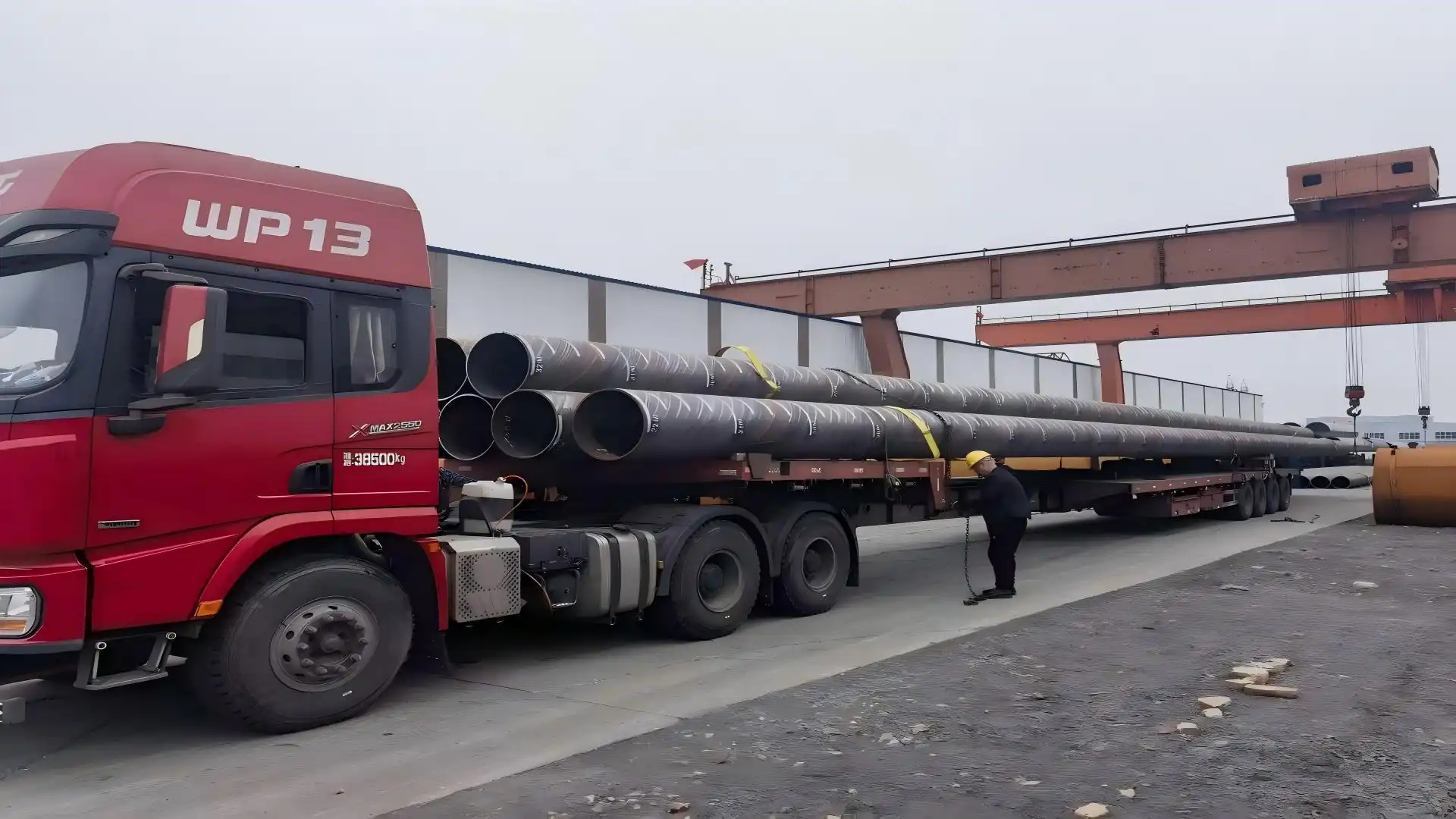
Understanding ASTM A36 Steel Pipe: Properties and Applications
Material Composition and Mechanical Performance
In ASTM A36 steel pipes, chemicals are evenly distributed. Not more than 0.26% is carbon, 0.60% to 0.90% manganese, and small amounts of silicon and copper. The yield strength of this mix is at least 36,000 psi (250 MPa). A force of 58,000–80,000 psi can separate it. This makes it suitable for foundations, building frames, and infrastructure projects.
The material can be cold-shaped and bent without degrading. ERW, LSAW, and SSAW welding are used to make ASTM A36 steel pipes with wall thicknesses from 0.8 to 230 mm and diameters from 21.3 to 7,000 mm. Make things up to 100 metres long. Because of their sizes, sheet piles can be used for many projects. These can be used to build walls or deep foundations.
Weldability and Fabrication Advantages
ASTM A36 steel pipe is easy to weld, speeding up construction and lowering costs. This grade can be used in SMAW, GMAW, and SAW without heating. Most thicknesses don't need heating. It helps engineering teams with tight construction schedules by reducing the need for specialised tools and allowing on-site changes.
We can cut, drill, and finish ends to your specifications. You can drive piles or connect buildings with these. In rough geological conditions, machined parts can be made faster and meet structural size requirements.
Corrosion Protection and Surface Treatment
ASTM A36 steel pipe rusts, but exterior treatments can extend its lifespan. Epoxy coatings, hot-dip galvanising, and cathodic protection systems protect against water, soil chemistry, and weather. We use high-tech coatings to prevent rust. This reduces delivery times and ensures similar project volume and quality.
Comparing ASTM A36 Steel Pipe with Alternative Steel Pipes
Performance Analysis Against Common Specifications
ASTM A36 steel pipes are better for building than ASTM A53 and ASTM A106, which are used to move fluids. Pressure systems can use seamless or welded ASTM A53 pipes. ASTM A36 steel pipe is easier to weld for building frames because it has less carbon. Although it works the same, ASTM A500 structural tubing costs more. It serves the same purposes.
The material you choose affects its initial and long-term cost. Due to its accessibility, ASTM A36 steel pipe remains cheap. However, structural stainless steels and alloy steels cost 40–60% more and rarely work better. Project managers who need to lay foundations or repair city infrastructure often choose ASTM A36 steel pipe because it meets engineering standards and is affordable.
Carbon Steel versus Stainless and Alloy Alternatives
Stainless steel pipes don't rust but are more expensive and can't be used without safety or health regulations. Protecting carbon steel pipes makes them last as long as stainless steel pipes for less money. Different grades of alloy steel are stronger but harder to weld and take longer to get parts.
The low cost and corrosion resistance of carbon steel make galvanised ASTM A36 steel pipes a good choice. Zinc coating makes items last longer in non-acidic environments, despite costing more. This makes this option good for sheet piling used for waterside building or temporary excavation shoring systems, since replacing it costs more than coating it.
Procuring ASTM A36 Steel Pipes: Price, Suppliers, and Logistics
Market Pricing Dynamics and Cost Factors
Steel prices vary worldwide based on demand, energy, and raw material costs. As-made ASTM A36 steel pipe costs $600–$900 per metric tonne. Heavy or large walls cost more. Landing costs depend on shipping logistics. Shipping small amounts of goods in containers is better than shipping large amounts on ships.
Tariffs and trade rules affect cross-border purchases. Engineering procurement teams should work with manufacturers that are upfront about pricing and offer ways to avoid big deals. To get the best freight rates and warehouse management, know how much to order. Custom orders can be as low as 25–50 tonnes.
Supplier Selection and Quality Assurance
Certified manufacturers can help you find the right materials and follow ASTM A36 steel pipe and ASTM A252 steel sheet piling standards. Government purchases from environmentally conscious companies are growing. ISO 9001 or 14001 certification shows a commitment. For each production batch, we keep lots of paper. This includes mill test certificates, dimensional inspection reports, and material composition analyses.
When looking for a supplier, find out how much they can make, how long their lead times are (4–8 weeks), and how good their technical support is. Coating and building streamline supply chains and simplify subcontractor collaboration. For over 45 years, our company has worked with piling systems. We can improve specifications before project teams buy.
Order Management and Delivery Coordination
Plan ahead to ensure your purchases arrive at the right time for each construction stage. So storage fees are lower, and the site stays clear. If you trust your suppliers and can communicate clearly, send what you need when you need it. My partners and I help keep all delivery dates. Road and bridge construction projects take over a year, so shipments are made in stages.
Knowing how long it takes to set up production, check quality, and ship goods around the world can help you make a realistic project plan. Quick delivery costs 15–25% more, but it may be worth it if you avoid liquidated damages or longer overhead costs due to delays.
Optimising Construction Projects with ASTM A36 Steel Pipes
Welding Best Practices and Quality Control
Welding correctly can prevent structural failure and increase costs. Most welding tools work on ASTM A36 steel pipe. However, the filler metals must match the base metal's properties. The joint strength can meet or exceed the parent material's requirements. Layers over 1 inch thick must be heated to prevent cracking below 32°F.
Non-destructive methods like ultrasonic, radiographic, and magnetic particle testing check weld strength. This happens before installing the pipe. Field issues are less likely with these quality controls. Field issues slow projects and increase costs. Our fabrication teams weld correctly per AWS D1.1 structural welding code. After making the parts, they can be assembled.
Corrosion Management Strategies
The first step to cost-effective corrosion protection is taking a good picture. Knowing soil and groundwater pH, resistivity, and chemistry helps you choose a coating. For ASTM A36 steel pipe, epoxy systems protect buried areas well. Three-coat systems with zinc-rich primers last longer in splash and tidal areas.
Protective coatings last longer when maintained. Checking the coating often detects damage before corrosion spreads. This allows small repairs, which are cheaper than replacing the whole thing. According to exposure, inspect once a year in harsh environments and every three to five years in less harsh ones.
Case Study: Infrastructure Project Cost Optimisation
ASTM A36 Steel Pipe piles were used to build a city bridge base, demonstrating their versatility. To support weight in soft clay, they requested 24" LSAW pipes with 0.5" outside thickness. When the ASTM A36 steel pipe grade was chosen over stronger options, $185,000 was saved on materials while meeting structural load requirements.
Since our facility applied the coatings simultaneously, the surface didn't need to be prepared. It was installed three weeks faster and protected from bad weather. Get the right materials from one supplier, make the parts quickly and well, and avoid job site changes. This cut project costs significantly.
Why Choose ASTM A36 Steel Pipe for Your Next Construction Project?
Superior Performance-to-Cost Ratio
Choose ASTM A36 steel pipes for strong, affordable pipes. Engineers can predict the material's mechanical properties, making calculations easier and reducing design conservatism, which requires more material. Knowing each other helps craftsmen and builders learn faster. The bidding process becomes more competitive.
From short-term excavation backing up to long-term factory, building, and transportation system bases, the grade is versatile. So, procurement standards can be the same for all projects. By making these promises, you can get better prices without sacrificing quality.
Sustainability and Environmental Responsibility
ESG plans increasingly require green building practices in business and government projects. Steel reuse is eco-friendly. Many materials used in ASTM A36 steel pipes are still working well after many uses. Because of this, they are greener than new pipes.
"BUILD TO LAST" means we prioritise long-term planning over short-term cost reduction. ASTM A36 steel pipe buildings can last for years if built properly and safely. So, they won't need to be replaced often, which would harm the environment because new ones would need to be made, moved, and installed. Reduce waste and use less energy to show you care about the environment.
Partnering with Certified Manufacturers
How well and how hard manufacturers ensure quality determines supply chain reliability. HYPILE provides materials, protective coatings, precision fabrication, and engineering support for piling systems in addition to steel pipes. A "turnkey" approach simplifies buying, working together, and assigning project management.
The technical team at our company helps choose materials, including ASTM A36 steel pipe, make plans, and find ways to cut costs without compromising quality. Quality management systems and certifications show that all three levels of government follow infrastructure project rules. Builders need this for project approval.
Conclusion
Choosing the right materials at the right time is crucial to building success. ASTM A36 steel pipes are strong, cheap, and easy to weld, making them ideal for project managers, procurement professionals, and engineering directors building tough infrastructure. You can make smart, cost-effective choices when you know the materials, how well the suppliers can do their jobs, and how to use them. Working with skilled manufacturers who can do everything makes buying easier. This ensures quality, dependability, and on-time delivery, keeping projects on track and within budget.
FAQ
1. Can ASTM A36 steel pipe support structural foundation loads?
The soil and load must be determined to choose the right ASTM A36 steel pipe size for base work. It can support normal building loads with its 36 ksi yield strength. Industrial and infrastructure projects that require stronger structures can use larger walls and diameters.
2. How does A36 compare to stainless steel for corrosion resistance?
ASTM A36 steel pipe requires coatings or cathodic protection in corrosion-prone areas. However, stainless steel doesn't rust. The price difference is often over 3000%. For non-chemical-resistant uses, coated ASTM A36 steel pipe is better.
3. What lead times should we expect for bulk A36 pipe orders?
From order confirmation to delivery, it usually takes 4–6 weeks. It takes that long to make and ship. Odd sizes or lots of items may take 8–10 weeks. Start early so manufacturing schedules can match project timelines so you don't pay extra to finish faster.
Partner with HYPILE for Reliable ASTM A36 Steel Pipe Supply
Engineers at HYPILE have over 45 years of foundation and piling experience. You can find cheap ASTM A36 Steel Pipe solutions there. Our full range of manufacturing services includes welding ERW, LSAW, and SSAW pipes from 21.3 mm to 7,000 mm. We can work on many projects at low cost while doing well. We sell materials, offer advanced coating, custom fabrication, and technical advice to simplify the buying process. Email sales@hypile.com to tell us what you need and get a quote from a reputable ASTM A36 Steel Pipe manufacturer who wants your project to succeed.
References
1. American Society for Testing and Materials. (2019). ASTM A36/A36M-19 Standard Specification for Carbon Structural Steel. West Conshohocken, PA: ASTM International.
2. American Welding Society. (2020). Structural Welding Code—Steel: AWS D1.1/D1.1M. Miami, FL: American Welding Society.
3. Freeman, J.R. (2021). Steel Piling Design and Construction Practice: A Guide for Civil Engineers. New York: Engineering Press.
4. National Steel Bridge Alliance. (2018). Steel Bridge Design Handbook: Material Selection and Fabrication. Chicago, IL: American Iron and Steel Institute.
5. Thompson, M.K. & Harrison, P.L. (2020). Corrosion Protection Systems for Buried Steel Structures. Journal of Materials in Civil Engineering, 32(4), 156-167.
6. Zhang, L. & Chen, W. (2022). Economic Analysis of Steel Pipe Selection in Infrastructure Projects. Construction Engineering and Management Quarterly, 18(2), 89-103.
Have a project in mind? Tell us your goals — we’ll help you make it real.