- English
- French
- German
- Portuguese
- Spanish
- Russian
- Japanese
- Korean
- Arabic
- Greek
- German
- Turkish
- Italian
- Danish
- Romanian
- Indonesian
- Czech
- Afrikaans
- Swedish
- Polish
- Basque
- Catalan
- Esperanto
- Hindi
- Lao
- Albanian
- Amharic
- Armenian
- Azerbaijani
- Belarusian
- Bengali
- Bosnian
- Bulgarian
- Cebuano
- Chichewa
- Corsican
- Croatian
- Dutch
- Estonian
- Filipino
- Finnish
- Frisian
- Galician
- Georgian
- Gujarati
- Haitian
- Hausa
- Hawaiian
- Hebrew
- Hmong
- Hungarian
- Icelandic
- Igbo
- Javanese
- Kannada
- Kazakh
- Khmer
- Kurdish
- Kyrgyz
- Latin
- Latvian
- Lithuanian
- Luxembou..
- Macedonian
- Malagasy
- Malay
- Malayalam
- Maltese
- Maori
- Marathi
- Mongolian
- Burmese
- Nepali
- Norwegian
- Pashto
- Persian
- Punjabi
- Serbian
- Sesotho
- Sinhala
- Slovak
- Slovenian
- Somali
- Samoan
- Scots Gaelic
- Shona
- Sindhi
- Sundanese
- Swahili
- Tajik
- Tamil
- Telugu
- Thai
- Ukrainian
- Urdu
- Uzbek
- Vietnamese
- Welsh
- Xhosa
- Yiddish
- Yoruba
- Zulu
Top 5 Benefits of Using Steel Beam Shoring in Construction Projects
Steel beam shoring systems, especially H and I-beam shoring designs, are an important part of modern building projects that need to support excavations and keep structures stable. These designed solutions offer better load-bearing ability, better safety standards, and cost-effective performance in a wide range of building situations. Steel beam shoring systems are very useful for both temporary trench support and permanent structural uses because they are made of high-strength structural steel and can be made in any size. They are an important part of completing a project successfully.
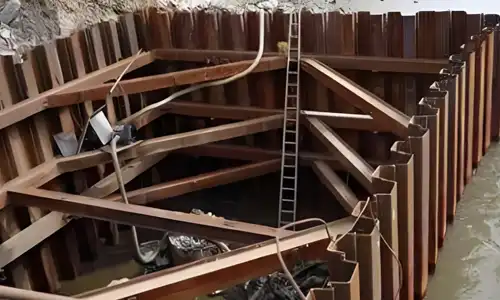
Superior Load-Bearing Capacity Enhances Safety and Efficiency
Steel beam shoring systems are a huge improvement in safety and efficiency on building sites because they can hold a lot of weight. These systems are made from standard H and I-beam pieces of high-strength structural steel, which gives them amazing structural stability that goes far beyond traditional support ways.
Understanding Load Capacity Calculations
To figure out the load capacity of steel beam shoring, you have to use complicated engineering rules that take into account safety factors, dirt pressure, and structural loads. Engineers usually figure out these limits by looking at the section modulus, yield strength, and expected stress conditions of the beam. Due to their bigger ends, H-beam shapes usually offer better load spread. On the other hand, I-beam designs work best when focused vertical support is needed.
As part of the engineering process, the conditions of the dirt are looked at, horizontal earth forces are calculated, and safety margins are set. Professional engineers use complex software to model how stress is distributed and make sure that local building rules and safety standards are followed.
Comparing H-Beam and I-Beam Strength Characteristics
The structural benefits of H-beam and I-beam shoring systems are different, which means they can be used for different tasks. H-beams have uniform base lengths that make them very resistant to horizontal forces. This makes them perfect for deep mining jobs where the earth pressure changes a lot. Their uniform design makes sure that the load is spread out evenly and increases their steadiness.
I-beams, on the other hand, have curved flanges that make them better at supporting vertical loads. This arrangement uses less material while keeping the structure strong, which makes it cost-effective for projects that need to be loaded mostly vertically. The thinner shape also makes fitting easier in tight areas where room is limited.
Industry Safety Standards and Risk Mitigation
Modern steel beam shoring systems have advanced safety features like locking mechanisms and tracking monitors that tell you in real time how well the structure is doing. There are rules like ASTM A572 for structural steel specs and OSHA rules that these systems follow.
There is less danger if you have regular checks, follow the right building steps, and are ready to act quickly in an emergency. Professional shoring companies use full safety management systems that keep an eye on how the building is doing the whole time the project is going on. This keeps workers safe and the project running smoothly.
Versatility and Adaptability in Various Construction Scenarios
Steel beam shoring systems, including H- and I-beam shoring, are very flexible and can be used in a wide range of construction settings, from building infrastructure in cities to building industrial facilities. Because they are flexible and can be set up in different ways, they can be used effectively in almost any mining situation.
Common Applications Across Project Types
Steel beam shoring can be used in a lot of different building projects because it is so flexible. For deep foundation jobs, these systems are used to support the dig while piles are being set up and the foundation is being built. Their small installation size and low sound levels make them useful for urban building sites.
Steel beam shoring is used to keep workers safe during drilling on infrastructure projects like building subways, installing utilities, and laying the supports for bridges. The systems can handle different levels and types of earth and underground situations while keeping the structure stable during the building process.
Streamlined Installation Process
Modern steel beam shoring systems have a big benefit in that they are easy to install. Usually, the process starts with analyzing the dirt and making an engineering plan. Next, each part is carefully placed in place. When wales and link systems are compatible, they can be used together to make full shoring units that work with the way building is normally done.
When compared to traditional methods, quick setup cuts down on project timelines and worker costs. Using parts that can be taken off and put back on again can help the economy and support green building practices. Standardized connection systems make it easy to put together and take apart parts quickly, so they don't get in the way of nearby building work.
Optimization Strategies for Procurement Teams
For implementation to go smoothly, buying teams, engineering experts, and installation companies need to work well together. Planning ahead allows for the best size of materials and shipping times that work with project goals. When describing support needs, procurement workers should think about things like the type of dirt, the depth of the dig, and the length of the project.
To optimize things effectively, you need to build relationships with qualified providers who can offer technical help, special manufacturing, and emergency response services. This method makes sure the project is ready while keeping costs low and delivering on time.
Cost-Effectiveness and Long-Term Durability
Steel beam shoring systems are more cost-effective than other types of shoring systems because they last longer, can be used again, and need less upkeep. Because of these things, the return on investment is higher than with other defense methods.
Comprehensive Cost-Benefit Analysis
A cost study should look at many things, such as how much something costs to buy or rent in the first place, how much it costs to put in, and how much it costs to keep up over time. It usually costs less to own a steel beam shoring system because it lasts longer and can be used on more than one job.
How long the job lasts, how often it will be used, and how much money you have all affect whether you should rent or buy. Most of the time, renting is better for short-term jobs. However, for builders who need shoring all the time, buying may be a better deal. There is a lot of value left over in steel parts, so you can sell them again and make more money.
Durability Advantages and Maintenance Requirements
When you build something out of high-strength structural steel, it will last a very long time against side pressure and the elements. Modern surface treatments, like welding and anti-corrosion coats, keep materials from rusting and fading and make them last a lot longer than other materials.
Inspection for wear, rust, or damage, and repair of individual parts as needed, are all part of regular upkeep. The flexible design lets you change only the parts that need it instead of replacing the whole system. This lowers long-term care costs and makes sure that the system keeps working well.
Return on Investment Considerations
Calculations of return on investment (ROI) show that investments in steel beam shoring are a good idea. Less time spent on installation means lower labor costs and faster project timelines. Because steel parts can be used again and again, the initial investment can be spread over more than one project, which improves unit economics.
Risk-related costs, such as schedule delays, safety mishaps, and structure failures, can be cut down with good H- and I-beam shoring. Insurance rates may go down if safety standards are raised, and better project results are good for the contractor's image and could lead to more business in the future.
Enhanced Structural Support: Choosing Between H Beam and I Beam
It makes a big difference in how well and how cheaply a project works, what kind of beam is used (H or I). If you know about the changes to the building, you can pick options that will make some jobs safer and better.
Structural Differences and Load Distribution Profiles
When you need to fight side forces and uneven load distribution, H-beam designs are the best choice. Their uniform base design makes them more stable in difficult soil situations where pressure changes a lot with depth. Loads are spread out better across the bigger bearing surface, which lowers point stresses and improves the general performance of the system.
When it comes to vertical load capacity, I-beam shapes are the best because they make the best use of materials. The curved lip design puts more material where the structure is under the most stress, which makes the strength-to-weight ratio good. This form works well in situations where the load needs to be mostly vertical.
Selection Criteria for Optimal Performance
The type of dirt, the form of the dig, and the load need to be taken into account in order to make the right choice. When the ground isn't stable, H-beam shapes are often better for deep digging because they can handle sideways forces better. I-beam systems can save money on materials and work well in small holes where the ground is stable.
Decisions about choosing are affected by things in the environment, such as groundwater levels, soil makeup, and buildings nearby. Engineering analysis looks at these factors along with the unique needs of the project to find the best beam designs that keep people safe and keep costs low.
Performance Benchmarks Against Alternatives
Steel beam shoring systems always do better than standard options like wood and regular scaffolds in a number of performance measures. Better strength-to-weight ratios make it possible to dig deeper while using less material. Because they last longer, they don't need to be replaced as often as wood systems do.
Reusability has big benefits over one-time use options. It cuts down on trash and supports environmentally friendly building methods. Precision making of steel parts guarantees uniform performance qualities that make planning and carrying out projects more reliable.
Trusted Supplier Ecosystem and Procurement Convenience
Successful steel beam shoring and H- and I-beam shoring deployment require partnerships with qualified suppliers who provide comprehensive support throughout project lifecycles. The supplier selection process should prioritize quality assurance, technical expertise, and customer service capabilities.
Identifying Reputable Manufacturers and Suppliers
Quality suppliers maintain rigorous manufacturing standards, comprehensive testing protocols, and certified quality management systems. Industry certifications, including ISO 9001 and relevant steel fabrication standards, indicate commitment to quality and reliability. Established suppliers typically offer extensive product lines, technical support, and custom fabrication capabilities.
Supplier evaluation should include assessment of manufacturing capacity, delivery reliability, and technical support capabilities. References from similar projects provide valuable insights into supplier performance under comparable conditions. Financial stability ensures continued support throughout extended project durations.
Custom Sizing and Lead Time Considerations
Modern steel beam shoring systems are available in a wide range of depths, flange widths, and lengths to suit specific project designs. Custom fabrication capabilities enable tailored solutions for unique applications, including non-standard dimensions or specialized connection requirements.
Lead times vary based on product specifications, order quantities, and manufacturing capacity. Standard sizes typically maintain shorter lead times, while custom configurations may require extended manufacturing periods. Early engagement with suppliers enables accurate scheduling and ensures material availability aligns with construction schedules.
Flexible Procurement Strategies
Successful procurement strategies balance cost optimization with supply chain reliability. Rental agreements provide flexibility for short-term projects while reducing capital requirements. Purchase arrangements offer long-term value for contractors with ongoing shoring requirements.
Negotiation considerations include payment terms, delivery schedules, technical support, and emergency replacement capabilities. Comprehensive service agreements may include installation support, maintenance guidance, and removal services that simplify project management while ensuring optimal performance.
Conclusion
Steel beam shoring systems provide essential capabilities for modern construction projects through their superior load-bearing capacity, versatility, cost-effectiveness, enhanced structural support, and reliable supplier networks. The choice between H and I-beam configurations depends on specific project requirements, with both options offering significant advantages over traditional alternatives. These engineered solutions ensure safety, efficiency, and economic value while supporting successful project outcomes across diverse construction applications. Investment in quality steel beam shoring systems represents a strategic decision that enhances capabilities while reducing risks and costs.
FAQ
1. What are the main differences between H-beam and I-beam shoring systems?
H-beam shoring systems feature symmetrical flanges that provide superior lateral resistance and load distribution, making them ideal for deep excavations and challenging soil conditions. I-beam systems utilize tapered flange designs that optimize vertical load capacity while reducing material costs, making them suitable for applications with primarily vertical loading requirements.
2. How do I determine the appropriate load capacity for my project?
Load capacity determination requires professional engineering analysis considering soil conditions, excavation depth, structural loads, and safety factors. Engineers utilize soil testing data, structural calculations, and applicable building codes to specify appropriate beam sizes and configurations that ensure safe operation throughout the project duration.
3. What maintenance is required for steel beam shoring systems?
Regular maintenance includes visual inspections for wear, corrosion, or damage, with particular attention to connection points and load-bearing surfaces. Protective coatings should be maintained according to manufacturer recommendations, and damaged components should be replaced promptly to ensure continued performance and safety.
4. Can steel beam shoring systems be reused across multiple projects?
Yes, steel beam shoring systems are designed for multiple reuse cycles when properly maintained and inspected. The durable construction and modular design enable deployment across various projects, providing excellent return on investment while supporting sustainable construction practices through reduced waste generation.
5. What factors should I consider when choosing between rental and purchase options?
Key considerations include project duration, frequency of use, capital availability, and storage requirements. Short-term projects typically favor rental arrangements, while contractors with ongoing shoring requirements may benefit from purchase options. Total cost of ownership analysis should include initial costs, maintenance expenses, and residual value considerations.
Partner with HYPILE for Superior H and I-Beam Shoring Solutions
HYPILE specializes in delivering comprehensive H and I-beam shoring systems that meet the demanding requirements of modern construction projects. Our 45+ years of engineering expertise ensure reliable, high-performance solutions manufactured from high-strength structural steel with customizable dimensions and advanced safety features. We provide complete support from initial consultation through project completion, including technical design assistance, rapid delivery, and ongoing customer service. Contact our experienced team at sales@hypile.com to discuss your specific shoring requirements and discover how our proven H and I-beam shoring manufacturer capabilities can enhance your project success while optimizing safety and cost-effectiveness.
References
1. American Institute of Steel Construction. "Steel Construction Manual: Design Examples and Solutions for Temporary Structures." 15th Edition, AISC Publications.
2. Occupational Safety and Health Administration. "Excavation and Trenching Safety Standards: Guidelines for Steel Shoring Systems." OSHA Technical Manual Section V.
3. Construction Industry Research and Information Association. "Temporary Steel Structures: Design and Installation Best Practices for H and I-Beam Shoring." CIRIA Report C760.
4. International Association of Foundation Drilling. "Steel Beam Shoring Applications in Deep Foundation Construction: Performance Analysis and Case Studies." ADSC Technical Papers Series.
5. National Institute for Standards and Technology. "Structural Steel Performance in Construction Applications: Comparative Analysis of H-Beam and I-Beam Systems." NIST Building and Fire Research Laboratory Report.
6. Engineering News-Record. "Steel Shoring Systems Market Analysis: Trends, Applications, and Performance Benchmarks in Modern Construction." ENR Industry Research Publication.
Have a project in mind? Tell us your goals — we’ll help you make it real.